BLOG

BLOG
Introduction: why a responsible vendor card matters right now
If your company sells alcohol, tobacco, cannabis, or age-restricted medicines, you need a responsible vendor card. This card protects revenue and reputation. It tells customers, staff, and regulators that you take steps to stop illegal sales. It cuts liability and builds a safer shopping scene. Mention the card early in marketing, training, and at the point of sale. This simple act turns compliance into a clear advantage.
What is a responsible vendor card?
A responsible vendor card is a certificate that shows a staff member has passed training to sell regulated items. Some programs issue a physical or digital card when the training is complete. Others put up a store sign that shows certification. The best programs mix solid training, clear rules, proper recordkeeping, and modern tech. They make legal sales the normal behavior.
How a responsible vendor card boosts sales while protecting your business
At first glance, compliance and sales seem apart. A strong vendor card program, however, works in both areas. It does so by:
- Increasing customer trust: Shoppers prefer stores that follow the law and protect minors.
- Cutting fines and shutdowns: Fewer violations keep your business open.
- Lifting staff confidence: Trained employees calmly handle refusals.
- Building local ties: Cities and communities favor responsible vendors.
Evidence shows that proper training helps reduce underage sales. This kind of investment is both smart and safe (source: CDC).
Key components of an effective responsible vendor card program
The best programs use people, process, and technology in close steps. Key parts include:
- A verified training curriculum that covers laws, checking IDs, refusal tips, and recordkeeping.
- An assessment and certification to confirm a staff member is ready to earn the card.
- Visible proof like a physical card, digital badge, or store sign so that anyone can see that you meet the rules.
- POS and age-verification tech such as ID scanners that cut human error.
- Clear rules and steps that show when to call a manager.
- Regular refreshers and audits to keep standards high.
Steps to implement a responsible vendor card system in your store
You can set up a program in a few easy steps:
- Assess risk by spotting products and shifts that carry high risk.
- Choose or design a training course that follows local laws.
- Certify staff by testing them and giving a responsible vendor card when they pass.
- Use tech by adding ID scanners or age prompts to stop mistakes.
- Display and share the program with signs and by having staff show their cards.
- Monitor and adjust using audits, mystery shoppers, or reports to improve the system.
Training and tools that make the responsible vendor card meaningful
A card without good training holds little value. Training must be clear and use real examples. It should cover:
- The legal rules set by your state or region.
- How to spot fake IDs and stop fraud.
- De-escalation tips when refusing a sale.
- How to log incidents and report concerns.
Technology works alongside training. ID scanners and digital checks keep errors low and create records that inspectors like. When paired with a visible vendor card, technology shows that you treat compliance as a top priority.
Marketing compliance to increase customer loyalty
Treat your vendor card program as a key brand sign. For example:
- Put the vendor badge on receipts, website pages, and social media.
- Offer promotions during safety events like “Proud Responsible Vendor” week.
- Train staff to gently explain the program when they must refuse a sale.
These actions make customers feel secure and respected. In turn, compliance becomes a part of their shopping experience.
Measuring success: KPIs and compliance metrics
Track your results by monitoring both compliance and sales outcomes:
- Compliance KPIs might include the number of failed checks, logged refusals, and time between audit issues.
- Sales KPIs include repeat customer rates, average basket size, and the conversion rate at the point of sale after training.
- Operational KPIs show the percentage of certified staff, refresher completion rates, and uptime for verification tech.
Showing fewer violations, steady sales, and fewer disputes can prove your program works and meets regulator expectations.

Common pitfalls and how to avoid them
Even good programs can fail if not maintained. Common errors include:
- Believing the card alone is enough without solid training and systems.
- Not updating training when new rules or products arise.
- Skipping regular refreshers and assuming staff memory stays sharp.
- Overlooking tech use, which leaves room for human mistakes.
Avoid these by planning clear re-certifications, periodic audits, and a strict chain of accountability.
Practical examples: real-world use cases
• A neighborhood liquor store issued vendor cards and posted certified hours. Customers liked the change, and the store avoided a costly fine during an inspection.
• A multi-store cannabis retailer used digital vendor cards linked to employee accounts. POS systems allowed sales only when a certified employee was logged in. This change reduced conflicts and sped up transactions.
• An event beverage vendor trained temporary staff and used short-term vendor cards. This kept the program running smoothly and prevented any shutdown during busy festivals.
FAQ — quick answers about responsible vendor cards
Q: What is a responsible vendor card and who needs one?
A: It is a certificate proving a staff member has passed training to sell regulated items. Employees who work with alcohol, tobacco, cannabis, or age-restricted medications need it.
Q: How does a responsible vendor card help with compliance?
A: The card shows training is complete. Paired with good recordkeeping and tech, it creates a clear paper trail that lowers violations and proves you care about following the law.
Q: Can a local small business implement a vendor card program affordably?
A: Yes. Many training programs are designed for small operations. Digital or printable cards keep costs low, and affordable ID-check apps combined with focused training build strong, cost-effective compliance.
Regulatory context and why documentation matters
Regulators expect more than good intentions. They need to see proper papers. A vendor card program makes a clear record of who trained, when they trained, and what was covered. This paper trail can reduce penalties during inspections and show your commitment to lawful sales. For example, see the CDC’s resource on reducing underage drinking (source: https://www.cdc.gov/alcohol/fact-sheets/underage-drinking.htm).
Tips for training content that sticks
• Use real interactions to build skill through role-play.
• Keep learning modules short to help busy staff remember.
• Recognize employees who earn and renew their vendor cards.
• Check progress with quizzes, secret audits, and manager sign-offs.
Balancing hospitality and enforcement
Responsible vendor training guides staff to mix good service with law enforcement. Staff use short, respectful scripts when refusing sales. They may suggest another product or offer to hold an ID. This way, the customer feels respected, even when a sale is refused.
Conclusion: compliance as a growth strategy
A responsible vendor card is more than just a form. With tight training, the right tech, and clear rules, it becomes a tool that drives sales. It cuts risks, builds trust, and makes your brand stand out in your community. Start small with a pilot, track your results, and then grow the program. In regulated retail, a responsible vendor does more than avoid fines—they win customer loyalty.
Authoritative resource
For more data and steps on reducing underage sales and seeing the health benefits of such programs, check the CDC’s resource (source: https://www.cdc.gov/alcohol/fact-sheets/underage-drinking.htm).
BLOG
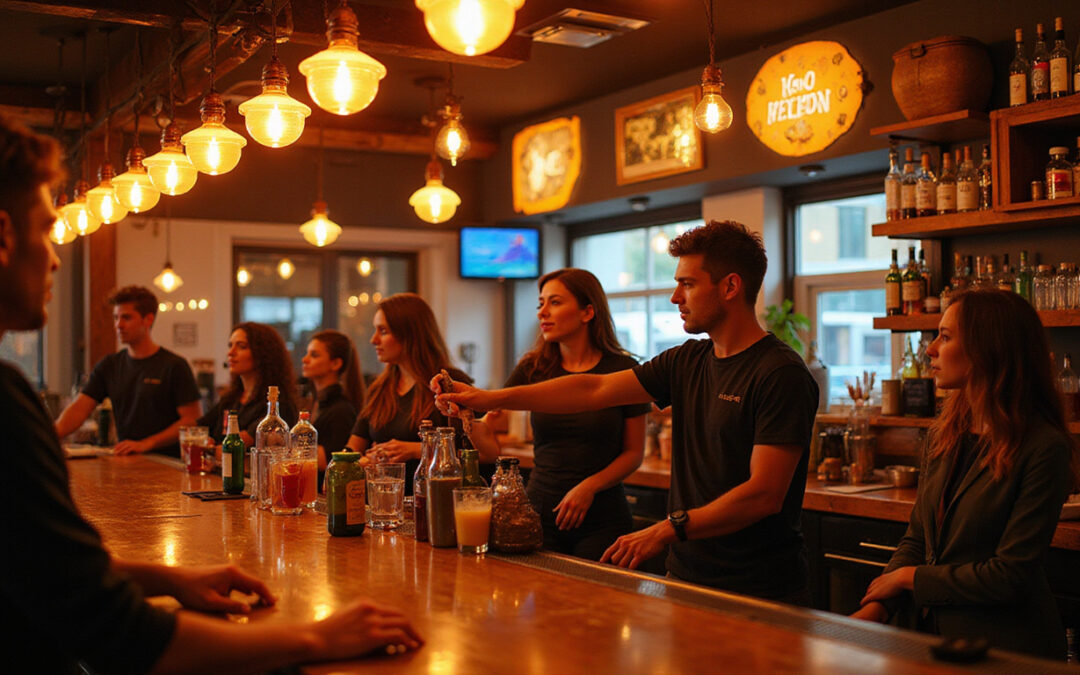
If you manage a busy bar or run a hospitality group, invest in training your bar staff.
Well-designed training boosts speed behind the bar, raises safety standards, and lifts guest satisfaction.
These gains lead to better tips and repeat business.
Below is a simple, people-first guide to build a training program that gives clear results.
Why bar staff training matters
Bar service is a high-stakes work zone.
Speed matters.
Errors cost money.
Guest and staff well-being rest on steady, clear decisions.
Training your bar staff does four things at once:
- It lifts sales and tips by improving upselling and speed.
- It cuts liability by teaching safe alcohol service and calm de-escalation.
- It boosts speed and accuracy, which means lower wait times and waste.
- It lifts guest service with polished, warm hospitality.
A good training program treats staff as experts, not as mere order-takers.
It mixes technical skills (mixology, POS use, bar layout) with soft skills (chatting, gentle selling, conflict handling).
Core modules every bar staff training program should include
Design your curriculum around these key areas.
Each module should mix classroom time, demos, and hands-on practice.
- Mixology and beverage knowledge
- Learn classic cocktail recipes, precise measurements, and steps for consistency.
- Study beer, wine, and spirits basics, including tasting tips and pairing ideas.
- Practice quicker versions of house cocktails and batch pouring for busy shifts.
- Efficiency and bar mechanics
- Get ready with mise en place: stocking, garnish prep, glass rotation, and workstation settings.
- Learn workflow tricks: double- and triple-service methods, batching, and routines for opening or closing.
- Use POS shortcuts, proper payment handling, and methods to optimize the bar layout.
- Safety and compliance
- Train on ID checking, spotting intoxication, and knowing when to refuse a service.
- Learn legal duties and local licensing rules.
- Practice handling broken glass, cleaning spills, and following emergency steps.
- Guest service and upselling
- Develop natural, clear upselling and menu narration.
- Build quick rapport and learn to read tables for personalized offers.
- Practice simple ways to handle complaints and turn glitches into loyalty.
- Teamwork and culture
- Work on smooth shift handoffs, crisis communication during rushes, and stress control.
- Do cross-training with floor staff to boost smooth service and quick fixes.
Practical drills and roleplays to simulate real shifts
Practice cements theory.
Drills help staff build muscle memory and clear confidence.
- Speed rounds: Time staff while they build two or three house cocktails to set the pace.
- ID checks and refusal drills: Let trainees practice saying no in a clear, calm way.
- Upsell scripts: Use short, natural phrases to suggest high-margin items.
- Crisis roleplays: Rehearse spill clean-ups, glass-cut steps, and handling an intoxicated guest.
One solid way is the “observe-practice-feedback” cycle:
New staff watch a 5–10 minute demo, then practice for 15–20 minutes under supervision, and finally get focused feedback.
They repeat the cycle until they meet the standard.
Boosting tips and revenue without pressure
Raising tips does not need to pressurize guests.
Focus on value, speed, and personal touches.
- Teach upselling that adds real value: pair desserts, offer premium upgrades, or share limited specials.
- Spark genuine chat: remember a guest’s likes and anticipate their needs to support repeat tips.
- Keep speed and accuracy high: a smooth, error-free order often boosts the tip.
Quick tactics for higher per-guest spend:
- Show a featured cocktail with a short, enticing description.
- Suggest premium mixers or spirit upgrades when taking orders.
- Offer a small garnish or amuse-bouche for regular guests.
Safety first: protecting guests and staff
Safety is the core of ethical work and legal care.
Clear steps and the right training cut risks.
- ID verification: Train staff on acceptable ID types and spotting fakes.
- Recognize intoxication: Point out physical and behavioral signs and steps to intervene.
- De-escalation: Roleplay calm ways to refuse service and help guests leave safely.
- Incident log: Keep a brief record of refusals, fights, or injuries to shield staff and the venue.
For proven guidelines on alcohol harm and prevention, check public health sites like the Centers for Disease Control and Prevention (CDC) (https://www.cdc.gov/alcohol/).
Measuring results: KPIs that matter
Track training with clear, measurable numbers.
This lets you refine the program.
Key performance indicators:
- Check size average and revenue per labor hour.
- Tip amount per shift or per order.
- Order accuracy along with waste or spoilage numbers.
- Service speed: time until the first drink and average service time.
- Safety stats: number of refusals, incidents, and documented interventions.
Collect hard data (POS reports, logs) and soft feedback (guest surveys, staff notes).
Run monthly reviews to see trends and share wins.
Technology and tools that speed learning and service
Use tools that scale training and ease shift work.
- Digital platforms: short video modules and quizzes staff can take between shifts.
- POS training mode: a safe space to practice orders and payments without real sales.
- Recipe apps: standard recipes that adjust yield and cost.
- Communication tools: shift notes and instant messaging for quick handoffs.
Onboarding and ongoing development plan
A simple, phased plan helps new hires work fast and helps veterans keep growing.
Phase 1 — Orientation (first 1–3 days)
- Meet the team and learn the culture and standards.
- Cover basic safety and ID checks.
- Shadow a buddy on a shift.
Phase 2 — Core skills (week 1)
- Learn mixology basics; build and serve key drinks.
- Train on POS and cash handling.
- Do speed drills and guest service roleplays.
Phase 3 — Independence (weeks 2–4)
- Take on more solo work gradually.
- Join regular feedback sessions and mini-product tests.
- Add upselling techniques and advanced drink builds.
Phase 4 — Ongoing development
- Hold monthly refreshers, seasonal menu updates, and cross-training.
- Run quarterly advanced workshops (competition-style, flair, or craft sessions).
- Award top performers with incentives and recognition.
Quick checklist: Essentials for an effective bar staff training program
- A clear training manual with recipes and steps.
- Scheduled shadow shifts and guided practice.
- Regular roleplay sessions and real-shift feedback.
- Built-in safety and legal modules.
- Measurable KPIs to track progress.
- Ongoing refreshers and rewards.
Sample training checklist (numbered)
- Finish orientation and a safety briefing.
- Watch demo videos for key cocktails.
- Practice drink builds under supervision (5 each).
- Pass a 10-question quiz on products and compliance.
- Complete two shadow shifts and one solo shift.
- Get a performance review and set goals.
Creating a positive learning culture
People learn best when mistakes become lessons.
Encourage senior staff to mentor newcomers, celebrate small wins (like faster service or kind guest comments), and keep feedback open.
Offer clear rewards—tip boosts, recognition, or small bonuses—for measurable gains.
FAQ — three short Q&A using keyword variations
Q: What should a bar staff training program include for new hires?
A: A firm program for new hires must cover safety checks, ID verification, core cocktail recipes, mise en place methods, speed drills, and guest roleplays. Start with shadowing, then guided practice and clear tests.
Q: How long does training for bar staff usually take?
A: Bar staff training takes roughly 2–4 weeks for basic independence, with ongoing refreshers. The time needed grows with the venue’s pace. High-volume bars may need longer practice.
Q: Are bartender training courses or bar staff training programs better for compliance?
A: Both work well. Formal bartender training dives deep into alcohol law and safety, while in-house programs tailor to venue needs. A mix of both suits best for compliance and smooth operations.
Conclusion
Strong bar staff training repays itself with higher tips, faster service, fewer mishaps, and happier guests.
Balance tech skills with warm hospitality.
Keep safety a top concern.
Measure outcomes with clear KPIs.
With regular practice, clear coaching, and the right tools, your team will serve faster, work safer, and offer memorable guest moments that bring repeat business.
For trusted details on alcohol safety and prevention, review public health sources like the CDC’s alcohol pages (https://www.cdc.gov/alcohol/).
BLOG
Preparing for the LSB Responsible Vendor Exam may feel hard when you need to pass it quickly. This exam matters to vendors in lottery and gaming. It shows you follow responsible sales and legal rules. In this article, we share tips to help you pass the exam fast. You will meet all the rules with care and good work.
Understanding the LSB Responsible Vendor Exam
The exam tests if you know how to handle responsible vending. It checks your grasp of legal duties, ethical ways, and strict rules for lottery sales. The exam makes sure you can promote safe gaming and stop sales to the wrong age group.
Passing this exam opens doors for legal business work. It also shows you commit to legal and fair practices. To pass quickly, learn the exam topics, format, and key points well.
Key Topics Covered in the LSB Responsible Vendor Exam
Before you use study tricks, know the main ideas. The exam typically covers:
- Legal Age Verification: Ways to check the legal age of buyers.
- Responsible Sales Practices: How to spot and block risky lottery sales.
- Gambling Awareness: Basic facts about gambling harm and spotting danger.
- Regulatory Compliance: Important laws and codes for lottery sales.
- Reporting and Record-Keeping: Ways to write down notes and stay legal.
Understanding these ideas builds your path for exam work.
To move faster in your exam prep, use these clear tips:
1. Review Official LSB Training Materials
Start with clear study guides, training lessons, or practice exams from the lottery board (LSB). They match the exam ideas exactly. Take notes on key points and go over hard parts again.
2. Focus on Legal Age and Compliance Rules
Since checking age and watching compliance are key steps, spend extra time on them. Learn how to check IDs well, spot fake documents, and act in cases where you cannot sell.
3. Practice with Sample Questions
Take practice tests to raise your skills and gain trust. They show you the exam type of questions and point out what to study more. Look for official or trusted practice questions for the exam.
4. Organize Study Sessions Into Short Blocks
Short, focused study sessions work better than long ones. Break your study time into 25-30 minute sessions with 5-minute breaks (the Pomodoro Technique). This plan stops burnout and keeps your mind alert.
5. Create Visual Aids and Mnemonics
Use charts, maps, and flashcards to show legal terms clearly. Mnemonics help you recall lists and rules during the exam.
6. Stay Updated on Regulatory Changes
Lottery rules can change. Check that your study notes match the newest rules. Visit the official LSB website often to get current facts (source).
7. Manage Your Exam Day Efficiently
On exam day, come early with your documents ready. Skip last-minute cramming. Instead, review key ideas lightly. Stay calm and read each question well to avoid mistakes.
Sample Study Schedule for Fast Preparation
| Day |
Activities |
Duration |
| 1 |
Read official LSB study materials |
2 hours |
| 2 |
Focus on legal age checks and compliance |
1.5 hours |
| 3 |
Take and review practice tests |
2 hours |
| 4 |
Make flashcards and mnemonics |
1 hour |
| 5 |
Go over weak points and check regulations |
1 hour |
| 6 |
Light review and mind prep (exam day) |
30 minutes |
Use this plan as a guide and adjust based on your time. The goal is to study every day.
Benefits of Passing the LSB Responsible Vendor Exam
Passing this exam gives you many professional gains:
- Compliance Assurance: You show you meet legal rules for lottery sales.
- Business Credibility: You build trust with customers and legal bodies.
- Reduced Legal Risks: You lower the chance of legal penalties.
- Career Opportunities: You unlock roles in retail and gaming.
Frequently Asked Questions (FAQ)
Q1: How long does it take to prepare for the LSB Responsible Vendor Exam?
Study time can vary. Many find that a daily routine for one to two weeks works well for a fast pass.
Q2: What are the main responsibilities in the exam?
The exam looks at legal age checks, fair sales practices, rule compliance, and proper reporting.
Q3: Are there official practice tests for the exam?
Yes, there are official tests and training lessons on the LSB website and from approved groups. They help a lot with prep.
Final Thoughts
You can pass the LSB Responsible Vendor Exam fast if you study hard. Use official resources, practice often, and know your legal duties. Stay calm on exam day and let your work shine.
For more tips and updates, visit the official LSB website to be sure your study notes are up to date.
BLOG
Creating a safe place when alcohol is served is a duty we all share. A bar manager, an event host, or a hospitality worker must take this duty seriously. Alcohol safety training gives you the skills to serve drinks with care. It helps you learn to spot intoxication and act quickly to stop harm. With better training, guests, staff, and the public all stay safer.
In this article, we share clear tips for alcohol safety training. These tips help you lower risks and support responsible drinking.
What Is Alcohol Safety Training?
Alcohol safety training is a focused course that shows you how to serve and monitor alcohol use well. The training links practical skills with legal duty. It tells you how to notice intoxication and avoid over-serving. You also learn how to handle tough scenes when alcohol is misused.
Bars, restaurants, event halls, and businesses often require this training. They use it to meet local laws and keep public safety. Whether the course is mandatory or voluntary, it remains an important tool to cut down alcohol-related risks.
Why Is Alcohol Safety Training Important?
This training is not just about following the rules. It builds a safer space by:
- Teaching responsible drinking.
Servers and consumers learn how alcohol works and limits are set.
- Cutting legal risks.
With training, you lower chances of fines or lawsuits.
- Preventing accidents.
Knowing alcohol’s effects helps stop drunk driving and falls.
- Bettering customer care.
Trained staff handle intoxicated guests with calm and care.
- Strengthening community safety.
Responsible alcohol use brings fewer community incidents.
Research from the National Institute on Alcohol Abuse and Alcoholism shows that proper programs can lower binge drinking and related harms.
Essential Elements of Alcohol Safety Training
Effective alcohol safety training depends on clear, connected topics. It must cover:
1. Understanding Alcohol and Its Effects
This part shows how alcohol changes the body and brain. You learn about blood alcohol concentration (BAC) and the differences between moderate, risky, and binge drinking.
2. Legal Requirements and Liability
Here you study local laws, age limits, and what servers must do. The training links mistakes with fines and the loss of licenses.
3. Recognition of Intoxication
You learn to spot signs like slurred speech and shaky steps. Recognizing these clues helps stop further drinking.
4. Intervention Techniques
This module links clear methods with real-world actions. It shows you how to decline a drink politely and calm a tense scene.
5. Emergency Response
You practice solutions for urgent times. The training ties waiting to call law enforcement or medical aid to quick, proper action.
Tips for Creating an Effective Alcohol Safety Training Program
If you run a program, follow these simple tips:
1. Customize Training to Your Setting
Tailor every lesson to fit your bar, club, event, or festival. Each place has its own needs and challenges.
2. Use Interactive Teaching Methods
Add role-playing, quizzes, and real-life scenarios. These methods link learning with active practice.
3. Include Practical Skills
Teach how to check IDs, pour the correct drink measures, and handle guests who are too drunk.
4. Ensure Updates Are Regular
Update training often. Laws change and best practices grow. Refresh courses to keep everyone current.
5. Promote a Culture of Responsibility
Link leadership with clear actions. Managers should show responsible service and support strict policies.
Best Practices for Staff to Follow Post-Training
After training, keep safety high by:
- Always checking IDs to stop underage drinking.
- Not giving extra or free drinks.
- Spotting early signs of drunkenness and acting fast.
- Speaking clearly and kindly when refusing service.
- Reporting risks to a supervisor without delay.
Creating a Safer Environment Beyond Training
Alcohol safety is a shared duty. Adding clear policies and safe spaces makes the difference. For example:
- Serve many non-alcoholic drinks and items to eat.
- Provide safe rides like designated drivers or ride shares.
- Watch crowd behavior and limit occupancy.
- Keep exits well lit and easy to find.
- Put up clear signs about responsible alcohol use.
Bulleted List: Quick Tips for Alcohol Safety Training Success
- Certify Your Staff: Choose training programs that are recognized by local officials.
- Practice Role-Playing: Simulate real-life moments for better learning.
- Communicate Clearly: Learn polite, firm ways to refuse more alcohol.
- Keep Records: Document each training for proper follow-up.
- Engage Management: Ensure leaders back and boost the training.
- Stay Up-to-Date: Refresh the training each year or when laws change.
- Promote Teamwork: Watch out for each other and for the guests.
Frequently Asked Questions (FAQ)
What are the main goals of alcohol safety training?
The goals are simple. The training shows how to serve alcohol safely, spot intoxication, cut down risks, and follow the law on alcohol use.
How long does alcohol safety training usually take?
The length varies. Most programs last between 2 and 6 hours. Some courses are online, while others happen face-to-face.
Can alcohol safety training help prevent legal issues for businesses?
Yes, it can. Training lowers legal risks and shows that staff work with care. This proves diligence and law compliance.
Conclusion
Alcohol safety training stands as a vital tool for creating safer places. The training links skills with laws and practical actions. By teaching staff about risks, legal rules, and ways to act, you cut down on alcohol-related harm and boost enjoyment.
A complete, active training program, along with clear policies and safe measures, leads to better venues and happy guests. Remember: responsible alcohol service links us all, and a well-trained team stands as your first line of defense.
For those keen to begin or sharpen their training, check with the Alcohol and Gaming Commission or local health offices. They offer courses that match local rules and best practices.
Stay informed, plan well, and keep alcohol safety as a top choice for everyone.
BLOG
Alcohol overservice hurts people, neighborhoods, and businesses. It poses risks that affect health, safety, and law. Understanding and spotting overservice helps bar owners, servers, and drinkers. This article shows the risks, signals, and practical steps that keep drinks safe.
What Is Alcohol Overservice?
Alcohol overservice means serving more alcohol than is safe or legal. Bars, restaurants, clubs, and parties can overserve guests. Overserving leads to intoxication and may cause accidents, fights, or health crises. Because overservice links to many harms, laws hold servers and venues responsible.
The National Institute on Alcohol Abuse and Alcoholism (NIAAA) says excessive serving spurs drunk driving and alcohol poisoning (source). Knowing these risks is the first step in stopping dangerous drinking.
Risks Associated with Alcohol Overservice
Overservice brings many risks beyond simple intoxication. These risks include:
- Drunk driving: Overserved guests may drive while impaired, risking lives.
- Health issues: Too much alcohol may cause poisoning and other severe conditions.
- Violence: Intoxication can trigger fights and unsafe behavior.
- Legal and financial trouble: Businesses may face lawsuits, fines, or lose liquor licenses.
- Social harm: Alcohol incidents harm family ties and community trust.
How to Identify Alcohol Overservice
Spotting overservice is key for those who serve and for fellow drinkers. Look out for these signals:
- Slurred speech and poor balance: When actions and words mix, it shows trouble.
- Aggressive or chatty moods: Loud or overly friendly behavior may signal excess.
- Odd mood or confusion: Sudden shifts in mood or clear disorientation warn of too much alcohol.
- Ignoring limits: Continuing to order despite clear signs is risky.
- Visible physical signs: Flushed skin, red eyes, nausea, or vomiting all hint at overservice.
Servers must learn these cues and act to protect everyone.
Preventing Alcohol Overservice: Best Practices for Bars and Restaurants
Stopping overservice needs clear policies, training, and smart tactics. These strategies help places run safer drinks:
1. Staff Training and Certification
Teach all staff to serve responsibly. Use Responsible Beverage Service (RBS) training to spot intoxication and say no when needed. Certification cuts legal risks and builds a safer scene.
2. Enforce Patron Limits and Monitor Consumption
Set clear drink limits for each guest. Use tabs or electronic checks to track orders and flag excess early.
3. Use Standard Drink Measurements
Measure drinks the same way each time. A standard size stops unintentional overpouring and overservice.
4. Encourage Food Consumption
Offer food with drinks. Eating slows alcohol absorption and cuts intoxication risk.
5. Have Clear Policies and Post Signage
Show your service rules where everyone can see them. Clear signs support staff choices and guide guest behavior.
6. Promote Alternative Transportation
Offer rideshare tips, designated driver options, or public transit info to lower drunk driving risks.
7. Foster a Supportive Environment
Create a culture where staff can step in safely. When guests see this, everyone respects the limits.
Role of Customers and Community in Preventing Overservice
Not only servers, but customers and their communities help stop overservice:
- Know your limits: Drink safely and know your tolerance.
- Watch over friends: Step in or ask for help when you see a friend in danger.
- Choose safe venues: Support places that care about responsible service.
- Demand fair laws: Urge local groups to enforce alcohol service rules.
Community education and outreach lower harms caused by too much alcohol.
Legal Implications of Alcohol Overservice
Many regions make it illegal to serve clearly intoxicated guests. These laws lead to penalties like:
- Fines or money judgments
- Blame for drunk driving crashes or injuries from overserved drinkers
- Lost or suspended liquor licenses
- Criminal charges when rules break repeatedly
Knowing these laws helps everyone in hospitality follow the rules.
Checklist for Preventing Alcohol Overservice in Your Venue
Use this checklist to cut overservice:
- Train all alcohol servers in responsible service.
- Watch each guest’s drink count with rules and systems.
- Measure each drink the same way.
- Offer food to slow down alcohol impact.
- Post clear signs about legal limits and rules.
- Allow staff to turn down service safely.
- Promote safe rides and public transport.
- Review and refresh your policies often.
Frequently Asked Questions (FAQ) About Alcohol Overservice
What is alcohol overservice, and why is it dangerous?
Overservice means giving a guest more alcohol than safe or legal. It increases the risk of accidents, health emergencies, legal problems, and unsafe behavior.
How can servers tell if someone is overserved?
They see slurred speech, poor coordination, mood changes, and physical signs like vomiting or flushed skin.
What are good ways to stop alcohol overservice in bars?
Good ways include training staff, checking drink limits, measuring drinks, serving food, posting clear rules, and promoting safe transport.
Final Thoughts
Alcohol overservice is a preventable harm. Servers, managers, guests, and community members must work together. Knowing the dangers and using smart prevention steps reduces risks. Responsible service protects health, boosts safety, and keeps businesses within the law. For more advice, see the National Institute on Alcohol Abuse and Alcoholism or local regulatory bodies.
By taking careful steps, any venue can build a safe and friendly drinking space.
BLOG
If you plan to sell alcoholic drinks in your business, learn to get an alcohol seller permit.
This permit is a law in many towns and states.
It keeps the alcohol sale rules tight and ensures that sellers follow local laws.
This guide shows you simple steps to secure your permit so your business runs smooth and legal.
────────────────────────────
What Is an Alcohol Seller Permit?
An alcohol seller permit is a legal authorization.
A government office gives it to a person or business.
It lets them sell alcohol under the law.
This permit covers sales for on-site drinking, off-site sales, or wholesale deals.
It forces sellers to check ages, follow sale hours, and share responsibility for alcohol use.
────────────────────────────
Why Is an Alcohol Seller Permit Important?
You need the permit to sell alcohol legally.
It shows that you follow state and local laws.
It cuts down on underage drinking.
It helps you avoid fines, permit loss, or even criminal cases.
Selling without a permit brings heavy fines or a shutdown.
────────────────────────────
Step-by-Step Process to Obtain an Alcohol Seller Permit
The process can change with your location.
Still, you usually take these key steps:
-
Understand State and Local Requirements
Every state has its own Alcoholic Beverage Control board.
Before you apply, check what your state needs.
This check shows which permit types, fees, and forms you need.
Many states use different permits for retail stores, bars, restaurants, or wholesalers.
-
Choose the Type of Permit You Need
Decide if you need a permit for on-site drinking (like a bar), off-site sales (in a store), or both.
Some states use different classes of permits for beer, wine, or spirits.
-
Prepare Documentation
Gather the papers for your application.
You may need:
• A form of ID (driver’s license or state ID)
• Your business license or registration
• Proof you own or lease the site
• Local permits and zoning clearance
• An approval to perform a background check
Check with your state office for a full list.
-
Complete and Submit the Application
Fill in the permit form with care.
Submit it to the proper agency.
Some states allow online filing; others require a visit or mail.
Pay the application fee as required.
-
Pass Background and Site Inspections
A background check may occur to rule out any legal problems.
The agency might inspect your site to check for safety and zoning compliance.
-
Wait for Approval
Approval times can last from days to months.
You will get a notice when your permit is ready.
-
Comply with Ongoing Requirements
Once you have your permit, renew it on time.
Follow rules like checking IDs, training employees, and reporting sales or incidents.
────────────────────────────
Tips for a Successful Application
To get your permit without delays, try these tips:
• Consult Local Alcohol Authorities
Talk with your local ABC board early to learn what they need.
• Attend Required Training
Some states ask for seller or server training before issuing a permit.
• Maintain Accurate Records
Keep clear files on licenses, site details, and past permits if renewing.
• Be Transparent
Speak up about any past legal matters; hiding them can cause denial.
• Follow Up
Regularly ask the permitting office for updates on your application.
────────────────────────────
Common Alcohol Seller Permit Types by State
Know these permit types to match your needs:
• Retail Seller Permit – For selling alcohol off-site, as in liquor stores.
• On-Premises License – For restaurants, bars, and clubs that serve drinks on site.
• Wholesale Distributor License – For businesses that distribute alcohol in large amounts.
• Temporary Permit – For events or festivals that serve alcohol for a short time.
────────────────────────────
List: Common Requirements to Obtain an Alcohol Seller Permit
Though requirements change, you may need:
- A completed application form
- Payment for the application fee
- Proof of business registration and location
- Valid identification for owners or applicants
- Approvals from zoning and the health department
- Clear background check results
- A training certificate for alcohol seller or server (if needed)
- An approval from a site inspection
- Notices to neighbors or the public
- Any other local approvals required
────────────────────────────
Frequently Asked Questions About Alcohol Seller Permits
-
How long does it take to get an alcohol seller permit?
Processing times differ.
They usually take 30 days or more.
Plan ahead before your store or event opens.
-
Can I transfer my alcohol seller permit to another location or person?
Most permits are for a specific place and owner.
You usually must apply for a new permit or get special approval to transfer it.
Check with your local ABC board for details.
-
What happens if I sell alcohol without a permit?
Selling without a permit breaks the law.
You can face fines, closure, or even criminal charges.
Following the rules keeps your business safe and lawful.
────────────────────────────
Conclusion
Getting an alcohol seller permit is a crucial step for any business selling drinks.
Know the law, prepare your papers, and stick to the rules to get your permit.
Always talk to your local alcohol control office to check for the latest rules.
For detailed, state-specific information, visit the National Alcohol Beverage Control Association website.
Starting right with clear knowledge lets you sell alcohol both legally and successfully.