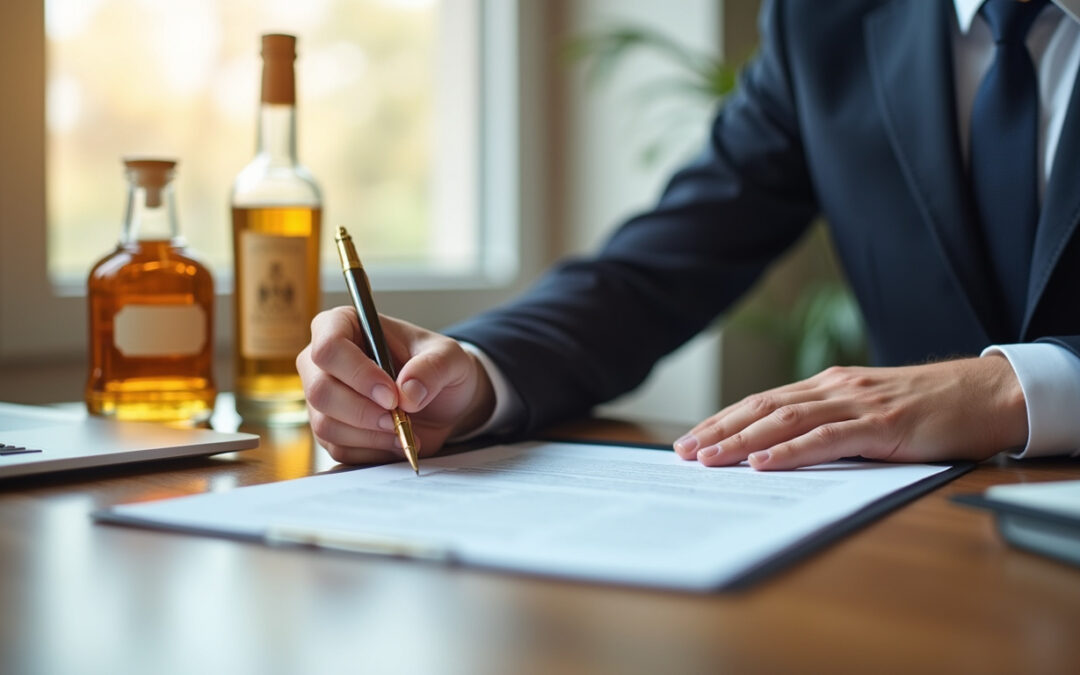
If you plan to sell alcoholic drinks in your business, learn to get an alcohol seller permit.
This permit is a law in many towns and states.
It keeps the alcohol sale rules tight and ensures that sellers follow local laws.
This guide shows you simple steps to secure your permit so your business runs smooth and legal.
────────────────────────────
What Is an Alcohol Seller Permit?
An alcohol seller permit is a legal authorization.
A government office gives it to a person or business.
It lets them sell alcohol under the law.
This permit covers sales for on-site drinking, off-site sales, or wholesale deals.
It forces sellers to check ages, follow sale hours, and share responsibility for alcohol use.
────────────────────────────
Why Is an Alcohol Seller Permit Important?
You need the permit to sell alcohol legally.
It shows that you follow state and local laws.
It cuts down on underage drinking.
It helps you avoid fines, permit loss, or even criminal cases.
Selling without a permit brings heavy fines or a shutdown.
────────────────────────────
Step-by-Step Process to Obtain an Alcohol Seller Permit
The process can change with your location.
Still, you usually take these key steps:
-
Understand State and Local Requirements
Every state has its own Alcoholic Beverage Control board.
Before you apply, check what your state needs.
This check shows which permit types, fees, and forms you need.
Many states use different permits for retail stores, bars, restaurants, or wholesalers. -
Choose the Type of Permit You Need
Decide if you need a permit for on-site drinking (like a bar), off-site sales (in a store), or both.
Some states use different classes of permits for beer, wine, or spirits. -
Prepare Documentation
Gather the papers for your application.
You may need:
• A form of ID (driver’s license or state ID)
• Your business license or registration
• Proof you own or lease the site
• Local permits and zoning clearance
• An approval to perform a background check
Check with your state office for a full list. -
Complete and Submit the Application
Fill in the permit form with care.
Submit it to the proper agency.
Some states allow online filing; others require a visit or mail.
Pay the application fee as required. -
Pass Background and Site Inspections
A background check may occur to rule out any legal problems.
The agency might inspect your site to check for safety and zoning compliance. -
Wait for Approval
Approval times can last from days to months.
You will get a notice when your permit is ready. -
Comply with Ongoing Requirements
Once you have your permit, renew it on time.
Follow rules like checking IDs, training employees, and reporting sales or incidents.
────────────────────────────
Tips for a Successful Application
To get your permit without delays, try these tips:
• Consult Local Alcohol Authorities
Talk with your local ABC board early to learn what they need.
• Attend Required Training
Some states ask for seller or server training before issuing a permit.
• Maintain Accurate Records
Keep clear files on licenses, site details, and past permits if renewing.
• Be Transparent
Speak up about any past legal matters; hiding them can cause denial.
• Follow Up
Regularly ask the permitting office for updates on your application.
────────────────────────────
Common Alcohol Seller Permit Types by State
Know these permit types to match your needs:
• Retail Seller Permit – For selling alcohol off-site, as in liquor stores.
• On-Premises License – For restaurants, bars, and clubs that serve drinks on site.
• Wholesale Distributor License – For businesses that distribute alcohol in large amounts.
• Temporary Permit – For events or festivals that serve alcohol for a short time.
────────────────────────────
List: Common Requirements to Obtain an Alcohol Seller Permit
Though requirements change, you may need:
- A completed application form
- Payment for the application fee
- Proof of business registration and location
- Valid identification for owners or applicants
- Approvals from zoning and the health department
- Clear background check results
- A training certificate for alcohol seller or server (if needed)
- An approval from a site inspection
- Notices to neighbors or the public
- Any other local approvals required
────────────────────────────
Frequently Asked Questions About Alcohol Seller Permits
-
How long does it take to get an alcohol seller permit?
Processing times differ.
They usually take 30 days or more.
Plan ahead before your store or event opens. -
Can I transfer my alcohol seller permit to another location or person?
Most permits are for a specific place and owner.
You usually must apply for a new permit or get special approval to transfer it.
Check with your local ABC board for details. -
What happens if I sell alcohol without a permit?
Selling without a permit breaks the law.
You can face fines, closure, or even criminal charges.
Following the rules keeps your business safe and lawful.
────────────────────────────
Conclusion
Getting an alcohol seller permit is a crucial step for any business selling drinks.
Know the law, prepare your papers, and stick to the rules to get your permit.
Always talk to your local alcohol control office to check for the latest rules.
For detailed, state-specific information, visit the National Alcohol Beverage Control Association website.

Starting right with clear knowledge lets you sell alcohol both legally and successfully.