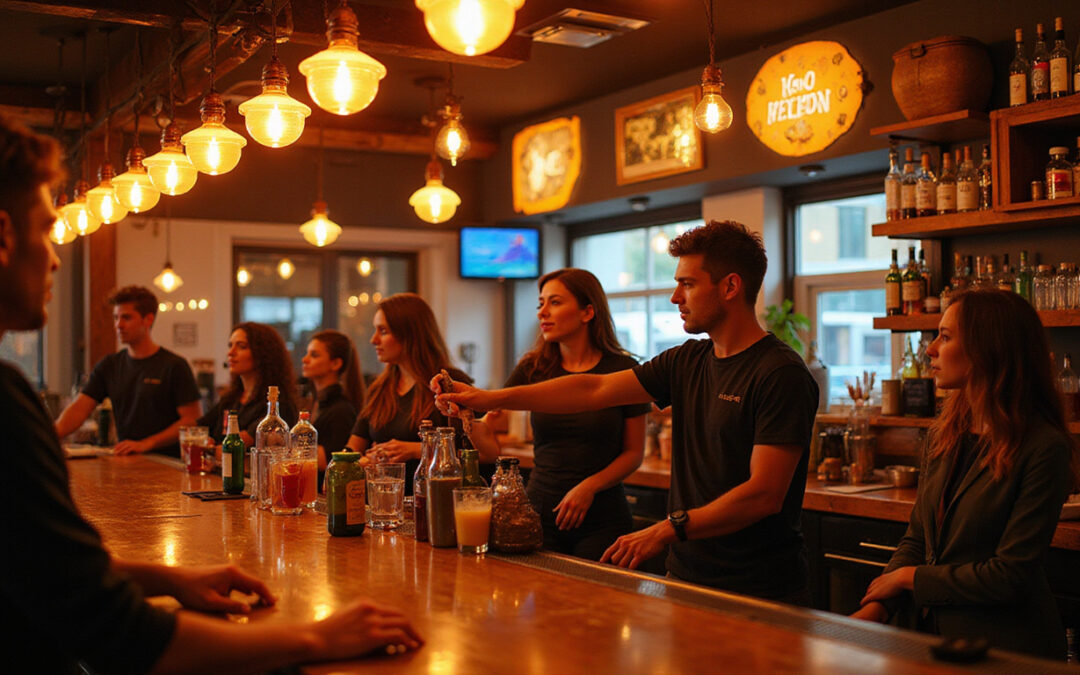
If you manage a busy bar or run a hospitality group, invest in training your bar staff.
Well-designed training boosts speed behind the bar, raises safety standards, and lifts guest satisfaction.
These gains lead to better tips and repeat business.
Below is a simple, people-first guide to build a training program that gives clear results.
Why bar staff training matters
Bar service is a high-stakes work zone.
Speed matters.
Errors cost money.
Guest and staff well-being rest on steady, clear decisions.
Training your bar staff does four things at once:
- It lifts sales and tips by improving upselling and speed.
- It cuts liability by teaching safe alcohol service and calm de-escalation.
- It boosts speed and accuracy, which means lower wait times and waste.
- It lifts guest service with polished, warm hospitality.
A good training program treats staff as experts, not as mere order-takers.
It mixes technical skills (mixology, POS use, bar layout) with soft skills (chatting, gentle selling, conflict handling).
Core modules every bar staff training program should include
Design your curriculum around these key areas.
Each module should mix classroom time, demos, and hands-on practice.
- Mixology and beverage knowledge
- Learn classic cocktail recipes, precise measurements, and steps for consistency.
- Study beer, wine, and spirits basics, including tasting tips and pairing ideas.
- Practice quicker versions of house cocktails and batch pouring for busy shifts.
- Efficiency and bar mechanics
- Get ready with mise en place: stocking, garnish prep, glass rotation, and workstation settings.
- Learn workflow tricks: double- and triple-service methods, batching, and routines for opening or closing.
- Use POS shortcuts, proper payment handling, and methods to optimize the bar layout.
- Safety and compliance
- Train on ID checking, spotting intoxication, and knowing when to refuse a service.
- Learn legal duties and local licensing rules.
- Practice handling broken glass, cleaning spills, and following emergency steps.
- Guest service and upselling
- Develop natural, clear upselling and menu narration.
- Build quick rapport and learn to read tables for personalized offers.
- Practice simple ways to handle complaints and turn glitches into loyalty.
- Teamwork and culture
- Work on smooth shift handoffs, crisis communication during rushes, and stress control.
- Do cross-training with floor staff to boost smooth service and quick fixes.
Practical drills and roleplays to simulate real shifts
Practice cements theory.
Drills help staff build muscle memory and clear confidence.
- Speed rounds: Time staff while they build two or three house cocktails to set the pace.
- ID checks and refusal drills: Let trainees practice saying no in a clear, calm way.
- Upsell scripts: Use short, natural phrases to suggest high-margin items.
- Crisis roleplays: Rehearse spill clean-ups, glass-cut steps, and handling an intoxicated guest.
One solid way is the “observe-practice-feedback” cycle:
New staff watch a 5–10 minute demo, then practice for 15–20 minutes under supervision, and finally get focused feedback.
They repeat the cycle until they meet the standard.
Boosting tips and revenue without pressure
Raising tips does not need to pressurize guests.
Focus on value, speed, and personal touches.
- Teach upselling that adds real value: pair desserts, offer premium upgrades, or share limited specials.
- Spark genuine chat: remember a guest’s likes and anticipate their needs to support repeat tips.
- Keep speed and accuracy high: a smooth, error-free order often boosts the tip.
Quick tactics for higher per-guest spend:
- Show a featured cocktail with a short, enticing description.
- Suggest premium mixers or spirit upgrades when taking orders.
- Offer a small garnish or amuse-bouche for regular guests.
Safety first: protecting guests and staff
Safety is the core of ethical work and legal care.
Clear steps and the right training cut risks.
- ID verification: Train staff on acceptable ID types and spotting fakes.
- Recognize intoxication: Point out physical and behavioral signs and steps to intervene.
- De-escalation: Roleplay calm ways to refuse service and help guests leave safely.
- Incident log: Keep a brief record of refusals, fights, or injuries to shield staff and the venue.
For proven guidelines on alcohol harm and prevention, check public health sites like the Centers for Disease Control and Prevention (CDC) (https://www.cdc.gov/alcohol/).
Measuring results: KPIs that matter
Track training with clear, measurable numbers.
This lets you refine the program.
Key performance indicators:
- Check size average and revenue per labor hour.
- Tip amount per shift or per order.
- Order accuracy along with waste or spoilage numbers.
- Service speed: time until the first drink and average service time.
- Safety stats: number of refusals, incidents, and documented interventions.
Collect hard data (POS reports, logs) and soft feedback (guest surveys, staff notes).
Run monthly reviews to see trends and share wins.
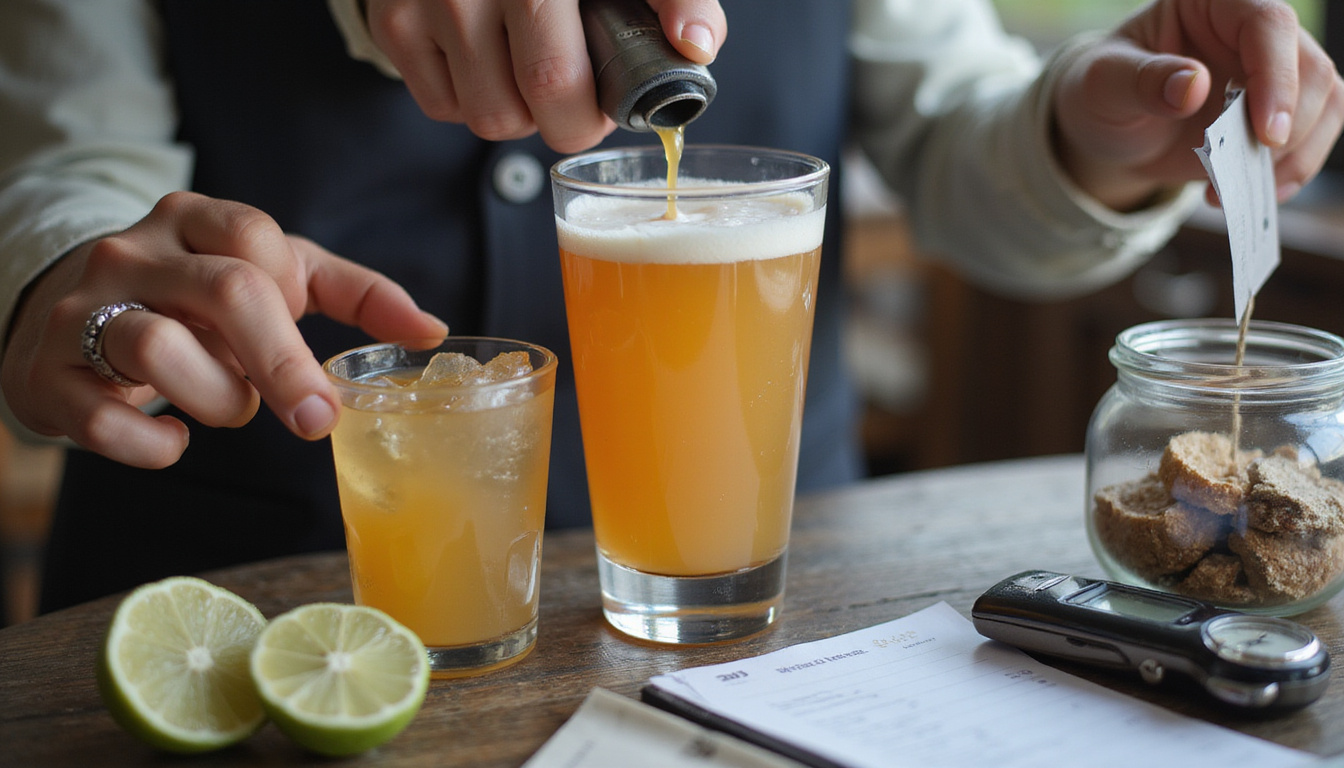
Technology and tools that speed learning and service
Use tools that scale training and ease shift work.
- Digital platforms: short video modules and quizzes staff can take between shifts.
- POS training mode: a safe space to practice orders and payments without real sales.
- Recipe apps: standard recipes that adjust yield and cost.
- Communication tools: shift notes and instant messaging for quick handoffs.
Onboarding and ongoing development plan
A simple, phased plan helps new hires work fast and helps veterans keep growing.
Phase 1 — Orientation (first 1–3 days)
- Meet the team and learn the culture and standards.
- Cover basic safety and ID checks.
- Shadow a buddy on a shift.
Phase 2 — Core skills (week 1)
- Learn mixology basics; build and serve key drinks.
- Train on POS and cash handling.
- Do speed drills and guest service roleplays.
Phase 3 — Independence (weeks 2–4)
- Take on more solo work gradually.
- Join regular feedback sessions and mini-product tests.
- Add upselling techniques and advanced drink builds.
Phase 4 — Ongoing development
- Hold monthly refreshers, seasonal menu updates, and cross-training.
- Run quarterly advanced workshops (competition-style, flair, or craft sessions).
- Award top performers with incentives and recognition.
Quick checklist: Essentials for an effective bar staff training program
- A clear training manual with recipes and steps.
- Scheduled shadow shifts and guided practice.
- Regular roleplay sessions and real-shift feedback.
- Built-in safety and legal modules.
- Measurable KPIs to track progress.
- Ongoing refreshers and rewards.
Sample training checklist (numbered)
- Finish orientation and a safety briefing.
- Watch demo videos for key cocktails.
- Practice drink builds under supervision (5 each).
- Pass a 10-question quiz on products and compliance.
- Complete two shadow shifts and one solo shift.
- Get a performance review and set goals.
Creating a positive learning culture
People learn best when mistakes become lessons.
Encourage senior staff to mentor newcomers, celebrate small wins (like faster service or kind guest comments), and keep feedback open.
Offer clear rewards—tip boosts, recognition, or small bonuses—for measurable gains.
FAQ — three short Q&A using keyword variations
Q: What should a bar staff training program include for new hires?
A: A firm program for new hires must cover safety checks, ID verification, core cocktail recipes, mise en place methods, speed drills, and guest roleplays. Start with shadowing, then guided practice and clear tests.
Q: How long does training for bar staff usually take?
A: Bar staff training takes roughly 2–4 weeks for basic independence, with ongoing refreshers. The time needed grows with the venue’s pace. High-volume bars may need longer practice.
Q: Are bartender training courses or bar staff training programs better for compliance?
A: Both work well. Formal bartender training dives deep into alcohol law and safety, while in-house programs tailor to venue needs. A mix of both suits best for compliance and smooth operations.
Conclusion
Strong bar staff training repays itself with higher tips, faster service, fewer mishaps, and happier guests.
Balance tech skills with warm hospitality.
Keep safety a top concern.
Measure outcomes with clear KPIs.
With regular practice, clear coaching, and the right tools, your team will serve faster, work safer, and offer memorable guest moments that bring repeat business.
For trusted details on alcohol safety and prevention, review public health sources like the CDC’s alcohol pages (https://www.cdc.gov/alcohol/).