BLOG
Being a responsible beverage manager goes beyond keeping the bar full or the taps running.
Today’s manager must protect guests, obey alcohol laws, control risk, and meet revenue goals.
Done well, managing drinks responsibly cuts risk and can boost profit, guest joy, and your brand’s look.
This guide shows steps that any bar, restaurant, hotel, or venue can follow.
It helps you update your drink program, keep your license safe, and lift your bottom line.
──────────────────────────────
What does a responsible beverage manager do?
The manager runs every part of alcohol service with care and profit in mind.
They may be called Beverage Manager, Bar Manager, F&B Director, or GM.
Yet, all share these tasks:
• Follow rules set by federal, state, and local law.
• Set and check safe alcohol service rules.
• Train and guide staff on laws and service safety.
• Oversee drink stock, costs, and menu plans.
• Manage vendors and choose products.
• Record and handle incidents.
• Guard the business from legal and money risks.
In many areas, having a named manager is more than good practice.
Regulators, insurers, and owners now expect clear responsibility.
──────────────────────────────
Why responsible beverage management matters more than ever
1. Legal and regulatory pressure
Alcohol service is tightly watched by the law.
Violations—like overserving, serving minors, or skipping ID checks—cause:
• Fines and penalties.
• Suspension or loss of your liquor license.
• Civil suits under dram shop or host laws.
• Criminal charges in harsh cases.
A clear, written plan by a responsible manager shows you take rules to heart.
This stance helps with regulators and insurers (source: National Institute on Alcohol Abuse and Alcoholism).
2. Financial and reputational risk
A single high-profile error can hurt your brand.
It can drive loyal guests away if:
• A guest drives drunk after leaving your venue.
• Fights, injuries, or property damage occur.
• Videos of bad behavior go viral.
Venues that care for safe, respectful service win repeat business.
They build strong local ties and positive work with authorities and event organizers.
3. Profitability and guest experience
Profits and safe service go hand in hand.
A good manager who balances product, price, and operations can:
• Raise average checks without pushing overdrinking.
• Cut waste, shrinkage, and extra pouring.
• Attract wiser, higher-value guests.
• Improve table turnover and bar speed.
Safe and fun scenes keep guests coming back.
That is where true profit grows.
──────────────────────────────
Foundation: Policies every responsible beverage manager should implement
Clear, written rules form the core of any drink program.
They guide staff on what they must do and show your business standards.
1. Alcohol service and cut-off policies
Write clear rules that state:
• Signs of intoxication.
• A limit on drinks (for example, 2 drinks per guest per hour).
• When and how to refuse service.
• When to call a supervisor, security, or manager.
• How to handle ordering for heavily intoxicated friends.
Train staff to use simple words (“I am sorry, I cannot serve you more tonight”) and to call a manager fast to stop problems.
2. ID checking standards
The manager must set clear ID rules on every shift:
• Which IDs are valid.
• How to spot fake or altered IDs.
• Steps for handling expired or digital IDs.
• Check IDs for anyone who looks under 30.
• Rules for buying rounds or ordering for others.
Post these rules at the POS and in back rooms.
Regulators and lawyers look for even use of the rules.
3. Incident documentation and reporting
Good records help if things go wrong.
Set up:
• A report form (paper or digital).
• A way to log refusals, ejections, fights, accidents, or police visits.
• A rule that reports go in before the shift ends.
• A review process—managers must check reports weekly or monthly.
A responsible beverage manager uses these logs to fix rules instead of just filing them away.
──────────────────────────────
Training: Turning staff into your strongest safety asset
Policies fall short if staff do not learn them well.
Usually, the responsible beverage manager leads all drink service training.
1. Use accredited responsible service training
Where you can, use formal programs such as:
• TIPS, ServSafe Alcohol, or state-run Responsible Beverage Service courses.
• Workshops run by local police or licensing groups.
Make training a must for all front staff and managers who serve.
Keep a record of:
• Completion certificates.
• Renewal dates.
• Attendance sheets.
These records show you have tried hard if an incident leads to review.
2. Conduct scenario-based training
Classroom talk alone does not cut it.
Do role-plays with real-life cases like:
• A regular guest who has had too much but wants “one more” drink.
• A big group where one person shows clear signs of intoxication.
• A guest who says they “lost” their ID with signs of being over 21.
• Guests who turn aggressive when service is refused.
Have bartenders, servers, and hosts practice:
• Calm words to de-escalate.
• Calling a manager fast.
• Offering options like water, food, or a rideshare.
A dedicated manager makes these sessions regular, not just a one-time event.
3. Reinforce standards with daily pre-shifts
Hold short pre-shift talks to:
• Note recent incidents and what was done well.
• Remind staff of new local rule changes.
• Discuss one real-life case each week.
• Praise staff who handled a tricky case well.
Repeating these points makes safe actions a habit.
──────────────────────────────
Operational strategies to reduce liability and increase profits
A good manager shapes the whole work scene, not just the training.
1. Menu engineering for safety and profitability
A well-made menu guides guest choices and lifts margins.
• Balance ABVs: Pair high-strength drinks with lower-strength ones like spritzes, session beers, and nonalcoholic options.
• Highlight alternatives: Give nonalcoholic and low-ABV drinks clear space and fun words on the menu.
• Portion control: Use the same glass and measured pours to avoid too many drinks and protect profit.
• Food pairing: Suggest food with drink deals to slow alcohol uptake and raise check size.
A smart manager checks sales data to mix drinks toward high-profit and safe choices.
2. Prevent over-pouring and shrinkage
Too-many pours hurt safety and profit.
Use these steps:
• Write standard recipes and keep a spec book.
• Use jiggers or measured pour spouts, which help new staff.
• Do random pour tests by weighing bottles or testing pours.
• Audit stock regularly to find gaps.
The aim is not to block skilled bartenders but to keep pours steady and fair.
3. Use technology wisely
New tools can help a responsible manager meet goals:
• POS prompts: Ask servers to link drinks to a guest or note round counts.
• Time alerts: Let the system flag high orders in a short time.
• ID scanners: Where rules allow, use scanners to check IDs and record them.
• CCTV: Place cameras in key spots to support staff accounts if there is an incident.
Use tech as a help, not as a replacement for clear rules and good training.
──────────────────────────────
Building a culture of responsibility without killing the vibe
Guests come for fun and relaxation.
A good manager protects that joy, not hinders it.
1. Align with your brand
Safe service does not need to feel like strict police work.
Tailor your rules to suit your brand:
• A fine-dining spot may stress education and drink pairing.
• A nightclub can rely on a firm security look and clear cues.
• A local bar might say “we know our guests” while still using rules.
Speak in a way that fits your brand and feel.
2. Empower staff to make safety decisions
Staff must not fear lost tips or trouble when they refuse service.
The manager should:
• Stand behind staff when they say no to a drink.
• Give staff set phrases so they are polite yet firm.
• Step in fast when asked, so staff do not feel alone.
With clear backup from management, staff act quickly and safely.
3. Partner with transportation options
Cutting down on drunk driving can be part of your brand story:
• Share rideshare codes or set up partnerships.
• Give info on local taxis or transit.
• Offer a free nonalcoholic drink for designated drivers.
These moves show that you care for guest and community safety.

──────────────────────────────
Measuring success: KPIs for the responsible beverage manager
To show how your program works, track safety, work, and money metrics.
1. Safety and compliance metrics
• Count of incident reports per 1,000 guest visits.
• Count of service refusals.
• Rate of failed ID checks in audits or secret tests.
• Warnings or rule breaks from authorities.
• Numbers for staff training and renewals.
Early rises in reports can mean staff now document events that once went unseen.
2. Operational and financial metrics
• Drink cost percentage and its changes.
• Average check size for drinks.
• Sales split among high-ABV, low-ABV, and nonalcoholic drinks.
• Gaps in stock and shrinkage figures.
• Labor efficiency during busy periods.
A good manager uses these data points to fine-tune menus, staff, and training.
This shows that safe practices help profit.
──────────────────────────────
Collaboration: The responsible beverage manager doesn’t work alone
A top manager joins with many team members:
• Ownership/GM: To set risk, insurance, and revenue aims.
• Security and door staff: To manage entry and ID checks, and to act in events.
• Kitchen: To ensure food is ready and to manage late-night menus.
• Marketing: To avoid ads that push risky drinking.
• Local authorities: To stay ahead as rules change.
Regular meetings with all teams help keep the program safe and sound.
──────────────────────────────
Step-by-step implementation roadmap
Bring these parts together using a clear, step-by-step plan.
-
Assess current state
• Check current rules, training records, and incident logs.
• Walk through a busy shift to see what works and what does not.
-
Define the responsible beverage manager role
• Pick one person as the lead with clear authority.
• Update job notes and internal charts to show this role.
-
Update or create core policies
• Write rules for alcohol service, ID checks, cut-offs, and incident logs.
• Have legal or industry experts review these rules.
-
Implement training and refreshers
• Use accredited programs for training.
• Set up onboarding for new hires and yearly renewals.
• Include role-play and pre-shift reminders.
-
Optimize operations for safety and profit
• Standardize drink recipes and pour sizes.
• Adjust the menu for balanced drinks and profit chances.
• Set up the POS and tech tools to support these moves.
-
Monitor, measure, and adjust
• Check key numbers every month.
• Look at incident logs for patterns.
• Change rules and training when real events point to needed tweaks.
Following this roadmap moves your venue from a reactive to a proactive drink service management style.
──────────────────────────────
FAQ: Responsible beverage management and related questions
Q1: What qualifications should a responsible beverage manager have?
A responsible beverage manager has strong front-line skills, knows local alcohol rules, and has finished a recognized service course (like ServSafe Alcohol or TIPS). They also use management skills—coaching, calm in conflict, and data use—along with solid bar know-how.
Q2: How can a responsible beverage management program increase profits?
A clear drink service program cuts waste, over-pours, and stock loss. It also fine-tunes your drink mix to high-margin items, boosts guest satisfaction and repeat visits, and lowers the risk of fines or license issues that hurt business.
Q3: Do all venues need a designated responsible alcohol service manager?
Not all areas force a specific job title.
But regulators want someone to own the drink service rules.
Naming a manager—whether GM, bar manager, or F&B director—shows clear duty for training, safety, and rule follow-up and tells everyone you take responsible service seriously.
──────────────────────────────
A dedicated, well-supported responsible beverage manager can turn your drink program from a risk into an asset.
By aligning safety, rule follow-up, and profit, you protect your business today and build a stronger brand for tomorrow.
BLOG
If you plan a party or run an event, you must know how keg registration works. In many states and local areas, keg laws guide how kegs are sold, tracked, and returned. Failing to follow these rules can bring fines, criminal issues, or even a ban from future keg purchases. When done right, keg registration stops theft, underage drinking, and damage.
This guide shows you key steps in registering a keg, what to do when you buy one, and how to protect yourself legally and financially.
What Is Keg Registration and Why Does It Exist?
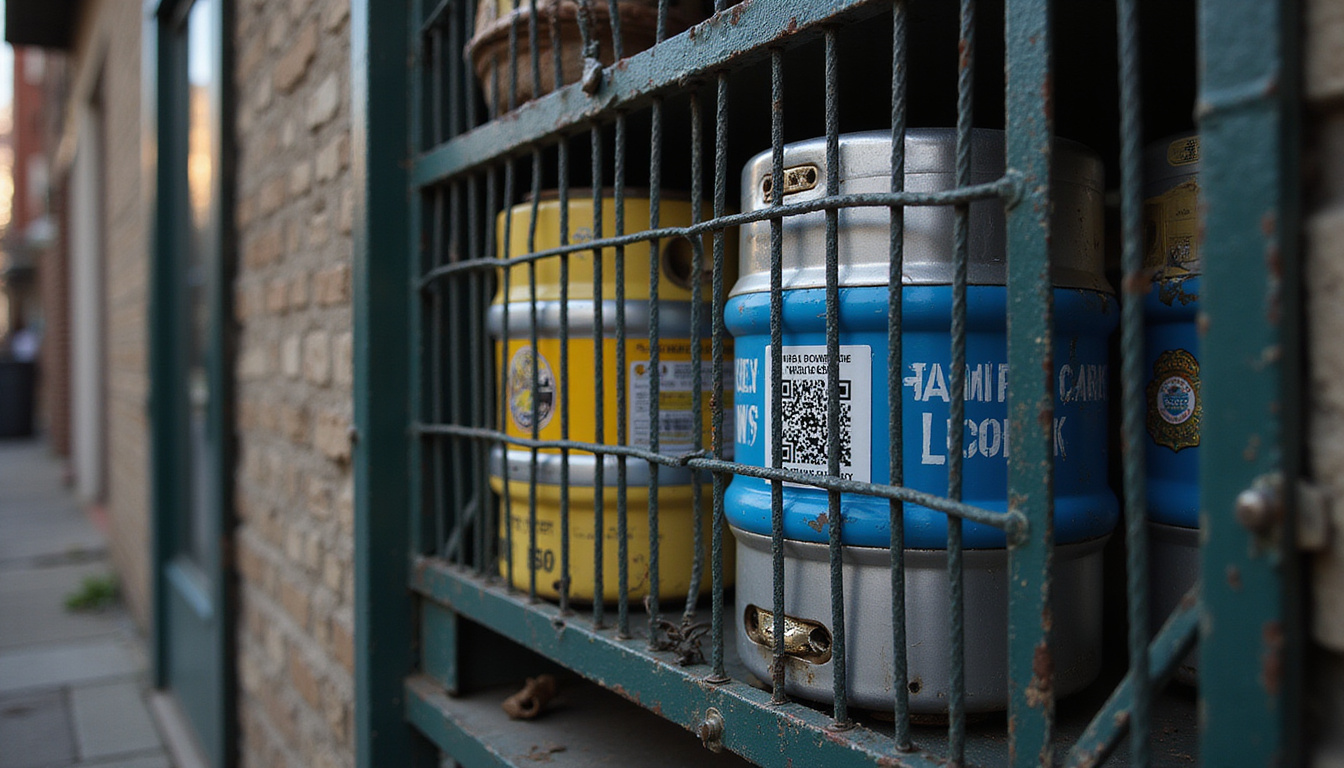
Keg registration links a keg to the buyer via a tag, sticker, or number. The seller records your info and attaches an ID to the keg. Later, if the keg appears in illegal activity, the tag helps the police trace it back to you.
Main goals of keg registration laws
-
Discourage underage drinking
The law makes an adult buyer responsible. This rule keeps older friends or strangers from buying kegs for minors.
-
Reduce large, unregulated parties
Large parties with kegs bring noise, vandalism, and DUIs. Registration helps law enforcement check and hold hosts responsible.
-
Prevent theft and property damage
Kegs and taps are valuable items. Registration and deposits push for proper returns and lower theft rates.
-
Support responsible alcohol service
When your name ties to the keg, you tend to host more responsibly.
Many states follow their own keg rules. Some require tags on any beer container above a set volume, such as 4 or 5 gallons (source: Alcohol Policy Information System).
Where Keg Registration Laws Apply
Not every place uses the same rules, but many follow common methods.
State-level keg registration laws
Many U.S. states and some Canadian provinces have statewide keg registration rules. These rules usually include:
- A required ID tag on every keg above a set size
- A log of purchases kept at the store
- A signature that accepts responsibility
- Age checks (21+ in the U.S., 18/19+ in Canada, depending on the province)
In many areas, removing or altering a keg tag is illegal. Giving a keg to minors will result in extra penalties.
Local ordinances and campus rules
Even if no state law exists, local governments or schools may:
- Demand keg permits for big events
- Ban kegs in some public spots
- Require registration on or near college campuses
- Prohibit keg sales in university housing
Always check:
- Your city or county alcohol rules
- Your university or college housing policies
- Your landlord or HOA rules on parties and alcohol
Step-by-Step: How Keg Registration Works at Purchase
When you enter a store to buy or rent a keg, expect these steps in keg registration.
1. Age and ID verification
- Prove you are of legal drinking age.
- Show a valid government photo ID (like a driver’s license or passport).
- Sometimes, your ID name must match the payment method.
2. Completion of a keg registration form
The seller asks you to fill out and sign a form that often asks for:
- Your full legal name
- Current address
- Phone number
- Date of birth
- Driver’s license or ID number
- Date and location of your event
- The number of kegs purchased
You also sign to show that:
- You know it is illegal to supply alcohol to minors.
- You accept responsibility if the keg is misused.
- You agree not to remove, change, or damage the keg tag.
3. Tagging or labeling the keg
The store attaches a unique tag to your keg. This may be:
- A metal or plastic tag
- A sticker that shows if the keg is tampered with
- An engraved or stamped number
That tag connects to your registration record. Moving or peeling it off may be a breach of the law.
4. Paying the keg deposit and fees
Keg deals usually include:
- Refundable keg deposit: Proves you will return the keg and sometimes the tap.
- Rental fee: For the tap system or tub, if needed.
- Beer cost: The price of the beer in the keg.
Get a receipt that shows:
- The keg’s size and brand
- The deposit amount
- The return deadline or policies
- Any conditions tied to the registration
5. Understanding return and storage rules
Before leaving, ask:
- How to return the keg and where to do it
- The deadline for getting your deposit back
- If returns are accepted after hours
- Rules about damaged or missing kegs and taps
Legal Responsibilities: How to Avoid Fines and Liability
When a keg shows your name, you face legal risks if things go wrong. Keg registration laws work to enforce safe practices.
Liabilities you could face
Depending on your state, you might face:
- Civil fines for not following registration rules
- Criminal charges for giving a keg to minors or allowing underage drinking
- Noise or disorderly conduct citations if your event becomes unruly
- Loss of deposit or extra charges for a damaged or missing keg
In some places, a keg linked to minors drinking can lead to legal charges against you, especially if you are present or play a role.
Practical ways to protect yourself
To lower your risk:
- Buy a keg only if you will supervise the event.
- Never let someone use your ID or buy the keg in your name.
- Keep the keg on private property with permission.
- Check IDs if there is any risk of minors attending.
- Shut off the tap if the event becomes unsafe.
- Do not move the keg in public while it is tapped or in use.
Think of keg registration as a contract where you accept legal responsibility.
Preventing Keg Theft and Loss
Kegs are tough to damage, but they still have high value. Deposits exist to reduce theft and loss.
Why keg theft matters
- Financial loss: A missing keg means you lose your deposit.
- Criminal implications: A stolen keg can complicate a police investigation.
- Higher costs: Theft causes costs to rise for brewers and sellers.
Protecting your keg from theft
Follow these steps to keep your keg safe:
- Limit access: Place the keg indoors or in a fenced area.
- Designate a keg area: Set one spot for serving drinks and watch it.
- Assign a responsible person: Let one or two sober hosts manage the keg and tap.
- Control tap equipment: Keep the tap inside when not in use and remove it after the party.
- Record your tag or serial number: Take a photo of the tag and receipt. This helps if the keg is stolen.
If the keg or tap is stolen, quickly report to:
- The local police (via the non-emergency number)
- The seller or distributor
- Your landlord or property manager if property is damaged
Quick reporting shows good faith and helps in later investigations.
Hosting a Safe, Legal Keg Party
Keg registration adds your name to the keg. It is in your best interest to host safely.
Before the event
- Check local laws: Verify noise rules, open container restrictions, and party regulations.
- Talk to neighbors: Inform them in advance to reduce complaints.
- Plan transportation: Arrange taxis, rideshare, or designated drivers.
During the event
- Keep the keg in one controlled location.
- Serve beer in moderate amounts; avoid “chugging” challenges.
- Let a sober adult watch the keg.
- Stop serving anyone who appears clearly intoxicated.
- Verify IDs if minors might be present; better yet, allow only adults.
After the event
- Turn off and remove the tap as soon as the event ends.
- Secure the keg indoors or in a locked spot until it is returned.
- Walk the area to clear trash and broken items; this shows responsibility.
The Keg Return: Closing the Loop on Registration
Completing keg registration means returning the keg properly and meeting all conditions.
How to return a registered keg
-
Bring your receipt and ID
Sellers must match the keg’s tag or number to your form.
-
Return all rented items
This may include:
- The keg shell
- The tap or hand pump
- The rented tub, if any
- Other accessories listed on your form
-
Check the condition
Clean any spills or dried beer off the keg. Do not open or change the keg shell; this is dangerous and illegal.
-
Confirm your deposit refund
Understand how and when your deposit will come back—whether cash, card refund, or store credit.
Missing tag or damage: what happens?
If your tag is missing or the keg is damaged:
- The seller may keep part or all of your deposit.
- They might note the condition and possibly report it.
- You might need to sign extra forms or statements.
Report any tag loss or damage right away. Honesty helps the seller and law enforcement handle the issue.
Common Mistakes With Keg Registration (and How to Avoid Them)
Beware of these common errors:
- Letting someone else use your name: Do not be the “legal buyer” for someone you do not trust.
- Transporting a keg with open alcohol in the car: This may break open-container laws.
- Leaving the keg in public: Public spaces have strict alcohol rules.
- Missing return dates: Some sellers take deposits if you are late.
- Removing the tag: Even by mistake, this can cause trouble.
Being careful and proactive avoids fines, legal issues, or a record that may affect future purchases.
FAQs About Keg Registration and Party Liability
1. What is keg registration and how does it work?
Keg registration is a system that links a keg to the buyer. The seller uses a tag or label and a signed form to record your details. If the keg is involved in a crime, the authorities can use the tag to find you.
2. Can I be fined if someone else uses my registered keg?
Yes. Often, the name on the keg registration form is held responsible. If someone uses your keg to supply minors or break rules, you might face fines—even if you are not present. Always keep control of your keg.
3. Are keg registration laws the same everywhere?
No, laws differ by state, province, or city. Some places require registration only for large containers, while others have strict rules. Additionally, schools and landlords may add their own rules. Always check local alcohol control websites and housing policies before buying a keg.
Understanding and following keg registration rules keeps you safe and supports responsibility. When you know the rules, protect your equipment, and host with care, you can enjoy your event with less legal risk and fewer problems.
BLOG
If you want a career in air traffic control and you choose ATC Louisiana, you enter a very hard yet rewarding field.
You face a strict selection process.
You face a tough exam and training.
A solid plan boosts your chance to get hired and to thrive.
This guide shows how ATC hiring works.
It shows what makes ATC Louisiana unique.
It gives clear, insider tips to prep for the exam and what follows.
Understanding the ATC Louisiana Landscape
Before you study for the exam, know what ATC Louisiana means.
You do not apply to one tower or center at first.
You apply to the FAA system.
Later the system assigns you to a facility by need, ranking, and training.
Keeping Louisiana in mind may change your plans and hopes.
Types of Facilities in Louisiana
Louisiana has several main FAA air traffic facilities.
They fall into three types:
-
Air Route Traffic Control Center (ARTCC)
- Houston Center (ZHU) manages high‑altitude traffic.
- It serves a wide area that covers part of Louisiana airspace.
- Even for Louisiana, this center in Texas may be your home.
-
Terminal Radar Approach Control (TRACON)
- It runs arrivals and departures near large airports.
- It gives radar service in the terminal area.
-
Airport Traffic Control Towers (ATCTs)
- Examples in Louisiana:
- New Orleans (MSY)
- Baton Rouge (BTR)
- Lafayette (LFT)
- Shreveport (SHV)
- Lake Charles (LCH)
- Monroe (MLU)
- There are also some smaller towers.
- Some are federal contract towers and others are FAA.
Each facility has its own work style, traffic type, and rules.
Weather on the Gulf Coast and offshore helos add extra rules.
The Path to ATC in Louisiana: Big-Picture Overview
No matter your goal—a large tower like MSY or a small facility—the steps are the same:
-
Meet Basic Eligibility
- You must be a U.S. citizen.
- You must be under the maximum entry age (usually 30, with few exceptions).
- You pass medical and security checks.
- You speak clear English.
-
Apply Through FAA Announcements
- Look for FAA air traffic trainee jobs on USAJOBS.
- You may see “Public,” “CTI,” or “Veteran” bids.
-
Take the Air Traffic Skills Assessment (ATSA)
- You must do well on this main exam.
- It replaced older tests like the AT-SAT.
-
Panel Review and Selection
- Experts check your ATSA score, resume, and answers.
- If you are “Best Qualified,” you move forward.
-
FAA Academy Training (Oklahoma City)
- Once hired, you go to the FAA Academy.
- Your work here matters for your next steps.
-
Facility Assignment and On‑the‑Job Training
- You are placed in a facility, maybe in Louisiana.
- You train hard until you certify.
What Makes ATC Louisiana Unique?
The core job is the same, but Louisiana has special factors:
-
Gulf Weather:
Heavy storms and tropical systems force sharp weather decisions and strong coordination.
-
Offshore Helicopter Operations:
Helicopters fly between coastal airports and offshore platforms.
They fly low and over water.
-
Military and Training Traffic:
Some Louisiana airports mix fast jets with slower general aviation.
Military and training operations add extra complexity.
-
Seasonal Traffic Surges:
Events in New Orleans and on the coast can bring busy times.
These factors do not change the ATSA exam.
They add context that may boost your focus.
Breaking Down the Air Traffic Skills Assessment (ATSA)
The ATSA exam checks if you have the mental skills for air traffic control.
You do not need to know every rule at first.
The test checks thinking skills, personality, and work ability.
Test-takers report these areas:
-
Memory and Recall
You see symbols or numbers.
Then you must repeat them quickly.
-
Spatial Awareness & Visualization
You track aircraft positions and movements.
You imagine changes in direction.
-
Attention and Multi‑Tasking
You handle several types of input at once.
You choose what matters most.
-
Logical Reasoning & Problem Solving
You work with patterns and puzzles quickly.
-
Reading & Applied Comprehension
You read brief texts and answer questions fast.
-
Work Style & Personality Assessment
You answer how you work under stress, follow rules, and work with others.
The exam checks if you can learn to manage busy traffic, like in ATC Louisiana airspace.
Insider Tips to Prepare for the ATSA
1. Build Your Mental Stamina, Not Just “Test Tricks”
The ATSA is long and drains you.
Work for 2–3 hours in cycles of different mental tasks.
Use a timer to add pressure.
Take short breaks but avoid big distractions.
2. Train Your Working Memory
Controllers hold clearances, altitudes, and headings in their minds.
Try these methods:
- Use memory apps that show patterns (like “Simon”).
- Memorize short strings of letters or numbers, then recall them after a pause.
- Do “N‑back” exercises to challenge your memory.
These tasks match the ATSA memory parts.
3. Sharpen Spatial and Directional Skills
Louisiana airspace needs strong spatial skills.
Practice these steps:
- Imagine an aircraft on a compass: “If the plane goes east at 090° and then turns left by 90°, where does it go?”
- Use radar simulation games or ATC mobile apps.
- Draw simple maps and try to rotate them in your mind.
- Check your work often.
4. Develop Laser‑Focused Attention
Distractions hurt you.
Try these exercises:
- Count backwards by 7s.
- Track sequences of tones or flashing lights.
- Use mindfulness apps to boost focus.
- Study in spots with some background noise to build strength.
5. Answer Personality Items Honestly
The test checks if your answers match real work style.
Do not try to “game” your answers.
They look for traits like rule following, teamwork, calmness, and care with risks.
Answer true to yourself while staying sharp to the job’s demands.
Smart Study Strategy for Aspiring ATC Louisiana Controllers
You do not need FAA regulations to pass ATSA.
But you do need a clear plan.
A 4–6 week study plan may look like this:
Weeks 1–2: Foundations
- Do memory exercises for 15–20 minutes a day.
- Work on puzzles and logical tasks for 20–30 minutes a day.
- Practice spatial tasks 3–4 times a week using maps and visuals.
- Read short aviation texts and write a summary in a few sentences.
Weeks 3–4: Add Time Pressure
- Use online ATSA-style practice tests.
- Learn the test format and timing.
- Do full practice tests for 60–90 minutes.
- After each test, note which parts slow you down.
Weeks 5–6: Simulate the Real Thing
- Do at least two full-length practice exams in a quiet, timed setting.
- Use breathing exercises and stress management before each test.
- Review your answers only after you finish the exam.
Test‑Day Tactics That Make a Difference
Even if you aim for ATC Louisiana, test-day tactics are the same.
On test day:
-
Prioritize Sleep and Nutrition
- Get 7–8 hours of sleep the night before.
- Eat a light and balanced meal.
- Avoid heavy or very sugary foods.
-
Arrive Early and Manage Nerves
- Arrive 20–30 minutes early.
- Use deep, slow breaths to calm your heart.
-
Read Instructions Carefully—Once
- Read instructions only once carefully.
- Do not re-read repeatedly.
-
Watch the Clock, Don’t Obsess
- Look at the clock every few minutes.
- Skip a question if it uses too much time.
-
Avoid Perfectionism in Speed Sections
- Many parts are meant to be hard.
- Keep a steady pace and aim for accuracy.
-
Reset Between Sections
- At each section end, take a deep breath.
- Let go of past questions.
- Focus clearly on the next part.
Beyond the Exam: FAA Academy and Getting to Louisiana
Acing the exam is key.
What comes next also counts if you want ATC Louisiana.
How the FAA Academy Fits In
If hired, you go to the FAA Academy in Oklahoma City.
There you learn key ATC ideas.
You work on radar and tower simulations.
Your performance here matters for your later assignment.
Strategies to Succeed at the Academy
- Come Prepared: Review basic aviation ideas, phraseology, and key rules as soon as study materials are given.
- Act Professionally: Treat the Academy as a job from day one.
- Ask for Feedback: Get advice from instructors early.
- Manage Stress: Keep a routine for sleep, exercise, and breaks.
Positioning Yourself for a Louisiana Assignment
You cannot choose a facility at first.
But you can:
- Mention a regional preference when asked.
- Maintain strong performance to be competitive in high‑demand spots.
- Network with instructors and peers who understand staffing needs.
Facility assignments depend on the agency’s need.
Being flexible may help you grow and later choose Louisiana.
Essential Mindsets for Long‑Term ATC Success
Imagine a busy New Orleans tower or a smaller field in Louisiana.
Certain mindsets help you every day:
-
Safety Over Speed:
Every decision affects lives.
-
Continuous Learning:
Procedures and technology shift over time.
-
Calm Under Pressure:
Stay cool when things get tough.
-
Team Orientation:
You work with pilots, peers, and supervisors.
Clear talk is key.
-
Resilience:
Not every phase is a win at first.
Stay focused on the long path.
For more on ATC roles, check the FAA careers pages for air traffic controllers (source).
Quick Checklist: Preparing for an ATC Louisiana Career
Use this list as a daily reminder:
- Make sure you meet all basic eligibility.
- Check USAJOBS for FAA air traffic trainee posts.
- Plan a 4–6 week ATSA prep:
- Work on memory skills.
- Build spatial reasoning.
- Solve logic and puzzles.
- Practice reading under time pressure.
- Take at least two full-length, timed practice tests.
- Practice stress management and focus.
- Learn about Louisiana’s unique aviation.
- Prep mentally for the pace of the Academy.
- Stay open to any initial assignment while eyeing Louisiana later.
FAQ: ATC Louisiana and the Air Traffic Exam
Q1: How do I get assigned to an ATC job in Louisiana?
You do not apply for a single Louisiana facility at first.
You apply nationally to the FAA, pass the ATSA, and join the Academy.
Later, the agency assigns you by need, performance, and sometimes regional preference.
Q2: Is the ATSA exam different for Louisiana air traffic control?
No.
The ATSA is the same across the nation.
Later, traffic and weather may vary by location.
Q3: Are there local programs that help with Louisiana ATC careers?
Some colleges join the FAA’s Collegiate Training Initiative (CTI).
These programs are not only for Louisiana.
Check the FAA’s CTI list and local aviation schools for more information.
Start building your mental habits now by studying with small, connected steps.
Focus on clear test preparation, calm focus under stress, and a willingness to learn every day.
This plan helps you not only ace the exam but also shine in training and on the scopes.
BLOG
Staying on top of the latest alcohol law updates is not optional for bar owners. It protects your license, staff, and profit. State rules, local ordinances, and federal guidance all shift quickly. This guide explains what is happening now. It then shows what is likely coming next and how you can adapt without losing focus on your business operations.
Why Alcohol Law Updates Matter More Than Ever
Alcohol regulations tighten and evolve because of growing public health concerns, post-pandemic business model changes (like to‑go cocktails, delivery, and outdoor seating), stricter overserving rules, and new technology.
Ignoring new alcohol law updates exposes you to fines, liquor license suspension, civil lawsuits, higher insurance premiums, and reputational damage. In short, you manage risk and gain a competitive edge when you keep up with these rules. Bars that update policies quickly usually avoid costly surprises and run more smoothly.
Key Areas Where Alcohol Laws Are Changing
Each jurisdiction differs. Yet, most recent changes fall into a few core categories:
- On‑premise and off‑premise permissions (to‑go and delivery)
- Hours of sale and service limits
- Server training and certification requirements
- Age verification and ID technology
- Dram shop and liability expansions
- Zoning, noise, and outdoor service rules
Let us go through each area and note what you should watch.
To‑Go Cocktails, Delivery, and Off-Premise Flexibility
One significant update since 2020 involves alcohol leaving your premises.
To‑Go Drinks and Cocktails
During COVID-19, many states allowed bars to sell to‑go cocktails. Now, some states have made the change permanent, extended it with sunset dates, or reverted to pre‑pandemic bans.
When to‑go drinks are allowed, they must be in sealed and tamper‑evident containers. In some places, alcohol must come with food. Limits on container size or drink strength may apply. Also, some jurisdictions allow only pick-up and not third‑party delivery.
As the bar owner, you must know if to‑go alcohol is allowed in your area, what packaging and labeling rules you must follow, and where customers may not consume the drinks (for example, in vehicles).
Alcohol Delivery
Delivery rules are complex. Some states allow alcohol delivered by your own staff but restrict third‑party platforms. Other states require delivery permits, training for drivers, or age verification technology. A few states still do not allow alcohol delivery at all.
When you offer delivery, create clear standard operating procedures (SOPs) for drivers. These steps include checking IDs, refusing service when necessary, and handling suspicious orders. Also, ensure that your point of sale captures delivery transactions for audits and check that your insurance covers liquor delivery.
Changes to Hours of Operation and Service Limits
Many jurisdictions have revisited the hours of alcohol service to address late‑night safety and nuisance concerns.
Earlier Last Call in Some Areas
In some cities, last call shifts from 2 a.m. to 1 a.m. or midnight. Other cities impose flexible curfews in entertainment districts and even apply different rules on weekends and weekdays.
Even a one‑hour shift can affect your revenue and staffing. Adjust your shift schedules and security coverage. Also, update closing procedures and communicate changes to regular patrons.
Happy Hour, Discounting, and Promotions
Alcohol law updates often regulate promotional events too. Some states tighten rules around all‑you‑can‑drink offers. Others control time‑limited price drops, “ladies’ nights,” or heavy discounts. Some rules require clear signage or minimum prices.
Review your promotions for compliance. Even long‑running specials can become illegal. Enforcement often focuses on bars with aggressive “drink as much as you can” marketing.
Server Training, Certification, and Compliance
A major trend is mandatory server education.
Mandatory Responsible Beverage Service (RBS) Training
Many states now require bartenders, servers, and even managers to complete state‑approved training programs. These programs include Responsible Beverage Service (RBS), TIPS (Training for Intervention ProcedureS), and ServSafe Alcohol.
New staff must earn certifications within a set number of days. Certifications usually expire and must be renewed every two to three years. A bar license can be at risk if untrained staff serve alcohol.
As the bar owner, you should keep a training roster with expiration dates. Include training in onboarding processes and renewals. Keep digital or physical copies of certificates for inspections.
Training Content to Emphasize
Modern RBS programs ask staff to learn how to recognize visible signs of intoxication, refuse service safely, check IDs properly, de-escalate conflicts, and understand local laws. Good training not only meets legal requirements but also lowers the risk of incidents that can lead to lawsuits or license reviews.
Age Verification and ID Technology
Underage drinking remains a top enforcement priority. Alcohol law updates often tackle fake IDs and add new digital ID rules.
Stricter ID Requirements
Changes you may see include narrowed lists of approved IDs (for example, passports and driver’s licenses only) and rules that explicitly allow or block digital or mobile IDs. Age verification rules may also extend to online orders and deliveries.
Review your local rules. Verify what types of IDs are acceptable, whether photographs of IDs count, and if scanning devices are recommended or required.
Using ID Scanners and Tech
ID scanners are not always mandatory but are seen as best practice. They can catch fake IDs and alert staff to expired documents. They also create electronic records that can support your case if cited. Finally, they free up staff to focus more on behavior than on card checks.
Before adopting technology, check privacy rules on storing patron data, review vendor security practices, and confirm if local law enforcement accepts scanner logs as evidence.
Dram Shop Laws and Expanding Liability
“Dram shop” laws determine when your bar may be held liable for damages caused by an intoxicated customer, such as in a drunk-driving crash.
Tougher Liability Standards
Many jurisdictions clarify or expand when overservice leads to civil liability. They may also impose heightened penalties when service is made to minors. Some areas even require incident reporting and documentation.
You need to know the standard of liability in your state. Learn what counts as evidence of responsible service, such as training records, logs, or security videos. Also, check how well your insurance policy covers these risks.
The National Highway Traffic Safety Administration states that alcohol‑impaired driving causes roughly one‑third of all U.S. traffic fatalities. Lawmakers refer to these statistics when tightening alcohol service laws.
Practical Risk‑Reduction Steps
Train staff to recognize and act on early signs of impairment. Empower bartenders to cut off service without fear of management backlash. Keep an incident log for refusals, ejections, and disturbances. Build relationships with local taxi, rideshare, or safe‑ride programs.
Outdoor Seating, Patio Service, and Entertainment Districts
Outdoor service expanded during the pandemic. Many cities now revisit these codes and adjust enforcement practices.
Outdoor Consumption Zones
Temporary privileges such as serving drinks on sidewalks or in parklets may now be fully legalized with proper permits, or they may be restricted to certain hours or seasons. Some rules tie outdoor service to noise limits and occupancy caps.
Check if you need new permits for patios or parklets. Determine what barriers, fencing, or signage you must use. Confirm rules about patrons moving drinks between your patio and other public spaces.
Noise and Nuisance Complaints
More outdoor activity can lead to noise complaints. Updated ordinances often control amplified music hours, outdoor speaker placements, decibel limits, and rules for live entertainment.
Be proactive by using sound curtains, reorienting speakers, and setting up a “quiet zone” after certain hours. This helps you avoid conflicts and inspections.
Compliance Checklist for Bar Owners
Use this list to align with recent alcohol law updates. Adapt it based on your local regulations:
-
License Status
- Verify your liquor license class and expiration.
- Confirm your license scope: on‑premise, off‑premise, catering, or special events.
-
To‑Go and Delivery
- Check if you can sell alcohol to‑go or for delivery.
- Confirm container sealing and labeling rules.
- Document delivery procedures and ID checks.
-
Hours and Promotions
- Confirm legal hours for daily alcohol service.
- Review happy hour and discount policies for compliance.
- Remove or revise any prohibited promotions.
-
Training and Staff
- Ensure all bartenders and servers have current RBS/TIPS certifications.
- Keep a log of training dates and renewals.
- Include ID checks and overserving policies in staff orientation.
-
ID and Age Verification
- Define a clear policy for acceptable IDs and backup checks.
- Decide if you will use ID scanners or other verification tools.
- Document how you verify patron ages for online or delivery orders.
-
Incident Management
- Keep an incident log for overservice or conflicts.
- Write protocols for cutting off service and ejecting patrons.
- Save security video evidence after major incidents.
-
Physical Space and Outdoor Areas
- Confirm occupancy limits and post them clearly.
- Verify permits for patios, sidewalks, or parklets.
- Review noise and curfew regulations for outdoor service.
-
Insurance and Legal Support
- Review your liquor liability coverage with your broker.
- Confirm that your defense coverage includes administrative proceedings.
- Identify a local attorney who specializes in alcohol and hospitality law.
How to Keep Up with Future Alcohol Law Updates
Alcohol laws are never static. You need a reliable system rather than one‑off research.
Build a Monitoring Routine
• State Alcohol Control Board/ABC Website
Sign up for newsletters or RSS feeds from your state’s alcohol beverage control agency.
• Local Government Notifications
Check city council or county board agendas for matters on nightlife, noise, zoning, or licensing.
• Industry Associations
Join state or national hospitality or bar associations. They often explain new laws in plain language.
• Legal Counsel & Compliance Services
Plan an annual review with an attorney or compliance consultant to catch any changes you may have missed.
Document and Communicate Internally
When a law changes, update your written policies and SOPs. Hold a short staff meeting or training session to explain the new rules. Post a one‑page cheat sheet behind the bar for quick reference. The faster your team understands and applies these changes, the lower your risk and the smoother your service.
FAQs About Recent Alcohol Law Updates
1. How can I find the latest alcohol law updates for my specific state or city?
Start with your state’s alcohol beverage control (ABC) or liquor authority website. Look for sections like “News,” “Bulletins,” or “Licensee Resources” to find law changes and guidance. Then check your city or county website for local ordinances on zoning, noise, and outdoor alcohol service. Also, use updates from hospitality trade groups and your insurance or legal advisors.
2. Do alcohol law changes affect my existing liquor license conditions?
Yes. New regulations can change what you can do under your existing license even if the license terms do not change. For example, new laws may restrict operating hours, add training requirements, or adjust to‑go rules statewide. Treat alcohol law updates as part of your license conditions and adjust your operations accordingly.
3. What is the best way to train staff on new alcohol service rules?
Combine formal state‑approved training (such as RBS certification) with in‑house sessions. When key changes occur, hold short, targeted sessions. Provide written policies, simple checklists, and real‑world examples (like proper ID checks and safe service techniques) so staff can confidently apply the rules in a busy environment.
Staying compliant with alcohol law updates is not just about avoiding fines. It protects your business, your team, and your guests. By building a regular monitoring routine, updating your internal policies, and investing in staff training, you navigate regulatory changes with much less stress. This lets you keep your focus on delivering a great bar experience.
BLOG
If you serve alcohol for a living, remember that dram shop training and your menu knowledge share equal weight.
They connect you directly with safety—for guests, for you, and for your employer.
Whether you are new or experienced, learn dram shop laws and responsible service practices.
They link to every action you take.
Below is a clear guide that connects dram shop training topics with the steps every server, bartender, and manager must know.
What Is Dram Shop Training?
State and local laws link alcohol service to legal responsibility.
A bar, restaurant, club, or venue faces blame if it serves too much alcohol and harm follows—such as a car crash or injury to others.
Dram shop training (also known as responsible beverage service or alcohol seller/server training) connects many ideas:
• It teaches you safe, legal alcohol service.
• It reduces risk by preventing over-service and sales to minors.
• It protects your establishment from lawsuits and penalties.
• It helps you notice and manage signs of intoxication in guests.
Many states require or support this training for everyone who serves alcohol.
Even if it is not required by law, many employers connect certification to the job, which reduces risk and lowers insurance costs (source: NHTSA).
Why Dram Shop Training Matters for Every Server
Serving alcohol is more than customer service—it is risk management.
Without training, you connect to three main risks:
-
Legal risk
Over-service of intoxicated guests or minors connects you to civil or even criminal charges.
Lawsuits connect large damage claims to individuals, not just to the business.
-
Safety risk
Over-served guests may harm themselves, other customers, or people outside (for example, in drunk driving).
Training helps you catch problems before they grow.
-
Professional risk
Poor alcohol decisions can connect you to job loss, loss of certification, or difficulties in future work.
Dram shop training ties together hospitality and firm limits.
It gives you words and actions that let you say “no” confidently, consistently, and legally.
Step 1: Understand Your Specific Dram Shop Laws
Dram shop laws connect closely with state and local rules.
An effective training program starts by linking these issues:
• Who gets held liable (server, manager, owner, or establishment).
• What creates liability (serving minors, giving alcohol to visibly intoxicated people, or running illegal promotions).
• What penalties appear (fines, license suspension, civil lawsuits, or criminal charges).
• What legal protection connects with training (in some states, training can help defend you).
As a server, you need to connect with these points:
• Know the minimum legal drinking age and ID rules.
• Understand the legal hours for alcohol service.
• Follow rules for “happy hour,” drink specials, and promotions.
• Recognize local rules for serving on patios, at events, or from temporary bars.
Always ask your manager for the written policies that tie together with local dram shop laws, and review them when you change jobs or cities.
Step 2: Learn to Verify IDs Correctly—Every Time
One core link in training is how to stop service to minors.
Effective ID checking is your first safe connection.
Know Which IDs Are Acceptable
IDs you accept include:
• Driver’s licenses issued by the state.
• State-issued identity cards.
• Military IDs.
• Passports or passport cards.
Make sure you link these with your state’s rules; expired IDs usually do not connect as valid.
Use a Consistent ID-Checking Process
Keep these steps in order every time:
- Ask the guest to remove the ID from its holder or wallet.
- Check the birthdate and do the math; you must connect numbers instead of relying on “over 21” stamps.
- Compare the photo to the guest—look at the face, eyes, nose, hairline, and height.
- Check for security marks: holograms, microprint, raised text, or UV markings.
- Look for signs of tampering: peeling laminate, mixed fonts, or altered numbers.
If something feels off, trust that feeling and act to keep safe.
Your duty is to connect with the law, not avoid awkward moments.
Step 3: Recognize Signs of Intoxication Early
A core goal of training is to connect the signs of impairment early.
Watch for three groups of clues:
1. Physical Signs
• Slurred or thick speech.
• Bloodshot or glassy eyes.
• Swaying, stumbling, or trouble walking.
• Clumsiness or knocking things over.
• Slow reactions when you speak or hand over items.
2. Behavioral Changes
• Suddenly loud or aggressive tones.
• Unusual familiarity or flirting.
• Inappropriate jokes or comments.
• Argumentative or confrontational behavior.
• Ignoring rules or boundaries.
3. Drinking Patterns
• Rapid drink consumption.
• Ordering many drinks at once.
• “Slamming” shots or chugging drinks quickly.
• Switching to stronger drinks as the night goes on.
• Friends connecting and showing concern.
Your goal is to notice changes in behavior and coordination.
Dram shop training connects early intervention with easier, safer management.
Step 4: Measure and Control Portions Properly
Consistent pours keep alcohol intake in check.
Training connects these ideas:
• Standard drink sizes:
– 12 oz. beer (~5% ABV)
– 5 oz. wine (~12% ABV)
– 1.5 oz. 80-proof spirits
• Use jiggers or measured pour spouts.
• Follow house recipes rather than “free-pouring.”
• Avoid double pours or extra shots unless the guest requests and the law connects with that.
• Do not add a new drink before the current one is finished.
Remember that over-pouring connects to higher responsibility risks.
Step 5: Pace Service and Offer Alternatives
Responsible service connects saying “no” with guiding guests toward safer choices.
To pace service, you can:
• Suggest water or non-alcoholic drinks between alcoholic ones.
• Recommend ordering food, especially items that slow alcohol absorption.
• Politely slow the pace if a guest drinks too quickly:
“I’ll bring your next round soon; how about some water first?”
You can offer alternatives such as:
• Non-alcoholic beer, wine, or mocktails.
• Coffee, soda, or juice.
• Desserts or snacks if the kitchen is closed.
Training stresses that pacing and alternatives help connect guest safety with your service.
Step 6: Know When and How to Refuse Service
Every trained server connects to the reality of cutting someone off.
It is key to handle it calmly and safely.
When to Refuse Service
Stop service when:
• A guest shows clear signs of intoxication.
• A guest drinks rapidly even after you try to slow them down.
• Other guests show concern about the person’s condition.
• You suspect the guest will drive while impaired.
• A guest acts aggressively or unsafely.
How to Communicate a Refusal
Keep your words connected to calm, respect, and firmness:
• Stay private: move aside to speak quietly if possible.
• Use “I” statements and connect to house rules:
“I cannot serve you any more alcohol tonight.”
“Our policy does not allow serving someone who appears intoxicated.”
• Avoid blame: connect your words to policy and safety, not to personal judgment.
• Offer alternatives: water, food, or a non-alcoholic drink.
• Stay consistent: once you decide, hold your ground even if they argue or connect a big tip.
Good training provides practice scenarios so that your words and actions connect well under pressure.
Step 7: Manage Transportation and Guest Departure
Your role does not stop at serving alcohol.
Training connects safe actions with a guest’s safe departure.
Safe Departure Strategies
• Ask if the guest has a designated driver and confirm that person’s sobriety.
• Offer to call a taxi or rideshare and wait until it arrives.
• If your venue partners with a shuttle service, explain how it connects.
• Encourage friends to connect and help their impaired companion.
If a guest insists on driving while impaired:
• Inform a manager or security immediately.
• Connect with your workplace policy for next steps.
• Never try to physically stop a guest in a way that could harm you or others; follow your venue’s guidelines.
Document every action; these records connect to proving you acted responsibly.
Step 8: Handle Difficult Situations Safely and Professionally
Training also connects conflict management with safety.
Some guests may react badly when service is stopped.
Key tactics connect as follows:
• Stay calm and neutral; do not mirror high energy.
• Avoid physical contact unless you have training in security.
• Use supportive phrases:
“I understand you are upset, but I must follow the law.”
“I am here to keep everyone safe, including you.”
• Know when to withdraw: if things escalate, connect with a manager or security.
• Always connect the well-being of other guests by keeping them safe.
Your goal is to de-escalate, not to win an argument.
Step 9: Document Incidents Thoroughly
Documentation connects your actions to future legal clarity.
Clear records help show you followed proper procedures.
After any serious incident (over-intoxication, refusal of service, ejection, or police contact), note:
• The date, time, and place in the venue.
• The guest’s name or description, if allowed.
• The behavior you observed and why you refused service.
• The actions you took (such as cutting off service, offering water or food, or calling a taxi).
• Who else was involved (manager, security, police, witnesses).
• Any statements from the guest or group.
Follow your company’s report format so that every connection is clear to management.
Step 10: Keep Your Dram Shop Training Current
Laws and best practices change, and your knowledge must connect with these updates.
To stay current:
• Renew your certification as required.
• Attend in-house refresher trainings and safety meetings.
• Review policy updates especially after any incident.
• Ask questions when unsure—connect with clarity before problems occur.
Servers who treat training as an ongoing process connect to greater confidence, better employability, and safer service.
Quick Reference: Responsible Service Checklist
Use this checklist as a quick guide, linking tasks to actions during your shift:
- Perform ID checks for anyone who looks under 30.
- Use standard pours—avoid heavy-handed free-pouring.
- Monitor behavior and physical signs of intoxication.
- Slow down service if the guest drinks too fast.
- Refuse service when guests show clear impairment.
- Offer alternatives like food, water, or non-alcoholic drinks.
- Arrange or encourage safe rides for guests who are impaired.
- Document every incident clearly and right away.
- Always follow house policies and state laws.
FAQ: Common Questions About Dram Shop Training
1. What is included in typical dram shop server training?
Most courses connect local alcohol laws, age verification procedures, signs of intoxication, strategies for refusal, conflict management, and documentation practices.
Many programs also include quizzes or exams and issue a certificate when you complete the course.
Some states require specific approved courses for servers and bartenders.
2. How often should I complete responsible beverage or dram shop training?
The frequency of dram shop training connects to state law and employer policy.
Some jurisdictions require renewal every two to three years, while others need a one-time course.
Many employers connect additional annual refreshers to keep staff updated.
3. Does completing dram shop training protect me from liability?
Training connects to a reduced risk but does not offer complete protection.
In some states, proof of training connects to a legal defense or can lessen penalties.
However, you still must connect your actions to what you learned—serving minors or clearly intoxicated guests remains risky.
Bottom line:
Dram shop training is more than a box to check.
It connects the skills you need to provide great hospitality with the actions you must take to keep people safe.
By understanding the laws, recognizing intoxication early, and managing challenging situations, you connect to being not just a better server but also a safer, more valuable professional in any alcohol-serving venue.