

If you plan a party or run an event, you must know how keg registration works. In many states and local areas, keg laws guide how kegs are sold, tracked, and returned. Failing to follow these rules can bring fines, criminal issues, or even a ban from future keg purchases. When done right, keg registration stops theft, underage drinking, and damage.
This guide shows you key steps in registering a keg, what to do when you buy one, and how to protect yourself legally and financially.
What Is Keg Registration and Why Does It Exist?
Keg registration links a keg to the buyer via a tag, sticker, or number. The seller records your info and attaches an ID to the keg. Later, if the keg appears in illegal activity, the tag helps the police trace it back to you.
Main goals of keg registration laws
-
Discourage underage drinking
The law makes an adult buyer responsible. This rule keeps older friends or strangers from buying kegs for minors. -
Reduce large, unregulated parties
Large parties with kegs bring noise, vandalism, and DUIs. Registration helps law enforcement check and hold hosts responsible. -
Prevent theft and property damage
Kegs and taps are valuable items. Registration and deposits push for proper returns and lower theft rates. -
Support responsible alcohol service
When your name ties to the keg, you tend to host more responsibly.
Many states follow their own keg rules. Some require tags on any beer container above a set volume, such as 4 or 5 gallons (source: Alcohol Policy Information System).
Where Keg Registration Laws Apply
Not every place uses the same rules, but many follow common methods.
State-level keg registration laws
Many U.S. states and some Canadian provinces have statewide keg registration rules. These rules usually include:
- A required ID tag on every keg above a set size
- A log of purchases kept at the store
- A signature that accepts responsibility
- Age checks (21+ in the U.S., 18/19+ in Canada, depending on the province)
In many areas, removing or altering a keg tag is illegal. Giving a keg to minors will result in extra penalties.
Local ordinances and campus rules
Even if no state law exists, local governments or schools may:
- Demand keg permits for big events
- Ban kegs in some public spots
- Require registration on or near college campuses
- Prohibit keg sales in university housing
Always check:
- Your city or county alcohol rules
- Your university or college housing policies
- Your landlord or HOA rules on parties and alcohol
Step-by-Step: How Keg Registration Works at Purchase
When you enter a store to buy or rent a keg, expect these steps in keg registration.
1. Age and ID verification
- Prove you are of legal drinking age.
- Show a valid government photo ID (like a driver’s license or passport).
- Sometimes, your ID name must match the payment method.
2. Completion of a keg registration form
The seller asks you to fill out and sign a form that often asks for:
- Your full legal name
- Current address
- Phone number
- Date of birth
- Driver’s license or ID number
- Date and location of your event
- The number of kegs purchased
You also sign to show that:
- You know it is illegal to supply alcohol to minors.
- You accept responsibility if the keg is misused.
- You agree not to remove, change, or damage the keg tag.
3. Tagging or labeling the keg
The store attaches a unique tag to your keg. This may be:
- A metal or plastic tag
- A sticker that shows if the keg is tampered with
- An engraved or stamped number
That tag connects to your registration record. Moving or peeling it off may be a breach of the law.
4. Paying the keg deposit and fees
Keg deals usually include:
- Refundable keg deposit: Proves you will return the keg and sometimes the tap.
- Rental fee: For the tap system or tub, if needed.
- Beer cost: The price of the beer in the keg.
Get a receipt that shows:
- The keg’s size and brand
- The deposit amount
- The return deadline or policies
- Any conditions tied to the registration
5. Understanding return and storage rules
Before leaving, ask:
- How to return the keg and where to do it
- The deadline for getting your deposit back
- If returns are accepted after hours
- Rules about damaged or missing kegs and taps
Legal Responsibilities: How to Avoid Fines and Liability
When a keg shows your name, you face legal risks if things go wrong. Keg registration laws work to enforce safe practices.
Liabilities you could face
Depending on your state, you might face:
- Civil fines for not following registration rules
- Criminal charges for giving a keg to minors or allowing underage drinking
- Noise or disorderly conduct citations if your event becomes unruly
- Loss of deposit or extra charges for a damaged or missing keg
In some places, a keg linked to minors drinking can lead to legal charges against you, especially if you are present or play a role.
Practical ways to protect yourself
To lower your risk:
- Buy a keg only if you will supervise the event.
- Never let someone use your ID or buy the keg in your name.
- Keep the keg on private property with permission.
- Check IDs if there is any risk of minors attending.
- Shut off the tap if the event becomes unsafe.
- Do not move the keg in public while it is tapped or in use.
Think of keg registration as a contract where you accept legal responsibility.
Preventing Keg Theft and Loss
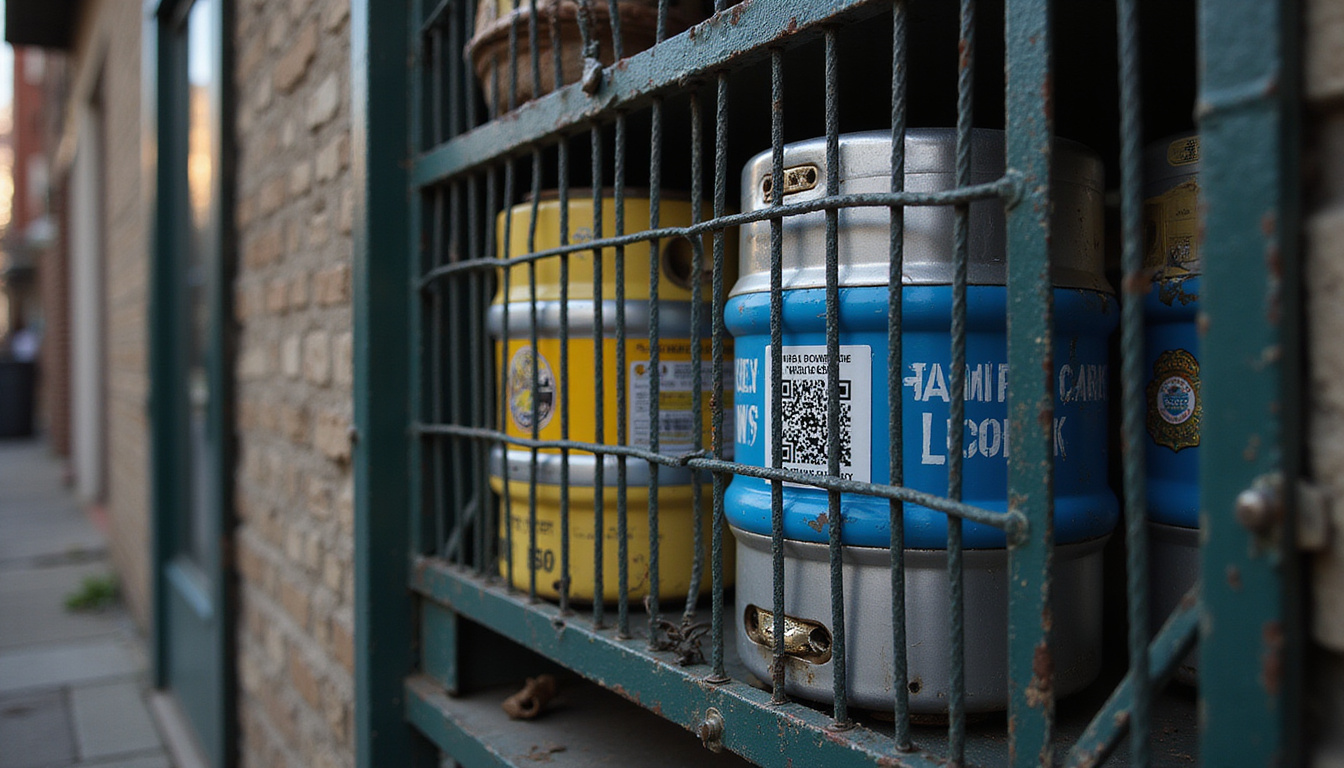
Kegs are tough to damage, but they still have high value. Deposits exist to reduce theft and loss.
Why keg theft matters
- Financial loss: A missing keg means you lose your deposit.
- Criminal implications: A stolen keg can complicate a police investigation.
- Higher costs: Theft causes costs to rise for brewers and sellers.
Protecting your keg from theft
Follow these steps to keep your keg safe:
- Limit access: Place the keg indoors or in a fenced area.
- Designate a keg area: Set one spot for serving drinks and watch it.
- Assign a responsible person: Let one or two sober hosts manage the keg and tap.
- Control tap equipment: Keep the tap inside when not in use and remove it after the party.
- Record your tag or serial number: Take a photo of the tag and receipt. This helps if the keg is stolen.
If the keg or tap is stolen, quickly report to:
- The local police (via the non-emergency number)
- The seller or distributor
- Your landlord or property manager if property is damaged
Quick reporting shows good faith and helps in later investigations.
Hosting a Safe, Legal Keg Party
Keg registration adds your name to the keg. It is in your best interest to host safely.
Before the event
- Check local laws: Verify noise rules, open container restrictions, and party regulations.
- Talk to neighbors: Inform them in advance to reduce complaints.
- Plan transportation: Arrange taxis, rideshare, or designated drivers.
During the event
- Keep the keg in one controlled location.
- Serve beer in moderate amounts; avoid “chugging” challenges.
- Let a sober adult watch the keg.
- Stop serving anyone who appears clearly intoxicated.
- Verify IDs if minors might be present; better yet, allow only adults.
After the event
- Turn off and remove the tap as soon as the event ends.
- Secure the keg indoors or in a locked spot until it is returned.
- Walk the area to clear trash and broken items; this shows responsibility.
The Keg Return: Closing the Loop on Registration
Completing keg registration means returning the keg properly and meeting all conditions.
How to return a registered keg
-
Bring your receipt and ID
Sellers must match the keg’s tag or number to your form. -
Return all rented items
This may include:- The keg shell
- The tap or hand pump
- The rented tub, if any
- Other accessories listed on your form
-
Check the condition
Clean any spills or dried beer off the keg. Do not open or change the keg shell; this is dangerous and illegal. -
Confirm your deposit refund
Understand how and when your deposit will come back—whether cash, card refund, or store credit.
Missing tag or damage: what happens?
If your tag is missing or the keg is damaged:
- The seller may keep part or all of your deposit.
- They might note the condition and possibly report it.
- You might need to sign extra forms or statements.
Report any tag loss or damage right away. Honesty helps the seller and law enforcement handle the issue.
Common Mistakes With Keg Registration (and How to Avoid Them)
Beware of these common errors:
- Letting someone else use your name: Do not be the “legal buyer” for someone you do not trust.
- Transporting a keg with open alcohol in the car: This may break open-container laws.
- Leaving the keg in public: Public spaces have strict alcohol rules.
- Missing return dates: Some sellers take deposits if you are late.
- Removing the tag: Even by mistake, this can cause trouble.
Being careful and proactive avoids fines, legal issues, or a record that may affect future purchases.
FAQs About Keg Registration and Party Liability
1. What is keg registration and how does it work?
Keg registration is a system that links a keg to the buyer. The seller uses a tag or label and a signed form to record your details. If the keg is involved in a crime, the authorities can use the tag to find you.
2. Can I be fined if someone else uses my registered keg?
Yes. Often, the name on the keg registration form is held responsible. If someone uses your keg to supply minors or break rules, you might face fines—even if you are not present. Always keep control of your keg.
3. Are keg registration laws the same everywhere?
No, laws differ by state, province, or city. Some places require registration only for large containers, while others have strict rules. Additionally, schools and landlords may add their own rules. Always check local alcohol control websites and housing policies before buying a keg.
Understanding and following keg registration rules keeps you safe and supports responsibility. When you know the rules, protect your equipment, and host with care, you can enjoy your event with less legal risk and fewer problems.
See also: