BLOG

BLOG
Responsible server training matters. It does more than check a legal box for bars, restaurants, and event venues. It boosts sales, improves guest satisfaction, and cuts liability. Owners and managers who add responsible service to their plan see fewer incidents, loyal guests, and confident staff on the floor.
This guide shows how training works, why it matters to your bottom line, and what steps you need to start or enhance your program.
What Is Responsible Server Training?
Responsible server training teaches staff to serve alcohol safely, legally, and with care for the customer. The training explains each rule so that words that belong together stay close. It covers:
- Alcohol laws and rules at federal, state, and local levels.
- How to check age and spot fake IDs.
- How to see signs that a guest is intoxicated.
- How to refuse service in a safe and kind way.
- How to handle conflicts and calm tense moments.
- How to write down incidents to report them.
- Your venue’s own policies and rules.
Many areas now require this training by law. Even where it is optional, many operators use it as a way to win over guests.
Why Responsible Server Training Matters More Than Ever
Today, guest expectations, legal rules, and staffing needs all call for training that keeps each word close. The benefits are clear:
- Higher legal and financial risks – Dram shop and social host rules may hold a business or its staff responsible if guests are overserved and cause harm.
- More informed customers – Guests notice when staff serve alcohol correctly, and they know their rights.
- Labor turnover – When staff change often, each member must learn the same safe service rules to keep quality high.
In short, training does more than avoid problems. It builds a stable, profitable business.
How Responsible Server Training Boosts Sales
Well-trained servers do more than stop problems. They sell well, offer upgrades, and bring guests back. They boost sales by:
1. Increased Guest Trust and Repeat Business
Guests feel safe when staff take alcohol service seriously. For example:
- Servers check IDs every time.
- Bartenders watch how drinks are served.
- Managers work on the floor.
This close attention builds trust. Guests stay longer, spend more, and return when they see strong management.
2. Confident Upselling Within Safe Limits
Some worry that training might lower sales. In fact, trained staff learn to:
- Suggest food pairings that slow alcohol absorption.
- Offer premium drinks over high volumes.
- Recommend low-alcohol or non-alcohol options as needed.
- Serve rounds at the right pace.
This yields higher check averages without pushing risky alcohol levels.
3. Stronger Online Reputation and Word of Mouth
A single bad incident can hurt your brand. But guests also see when you act correctly. For example:
- A server says no when a guest is too drunk.
- A manager arranges a safe ride for someone unfit to drive.
- A bartender calms a tense moment with care.
Stories like these spread fast online, boosting your reputation and drawing more guests.
4. Less Disruption, More Time to Serve
Fights, spills, and disputes waste time. Trained staff can see problems early and act before they grow. This means:
- Fewer interruptions during busy times.
- Service that flows smoothly.
- More time for guests who are paying.
A calm operation leads directly to better sales.
How Responsible Server Training Reduces Liability and Risk
The stakes are high. One serious mistake can cost more than a training program ever will.
1. Compliance with Dram Shop and Local Laws
Many states have “dram shop” laws. These rules say that if you serve a clearly intoxicated guest or a minor, you may pay for later harm. Training helps staff know:
- What “visibly intoxicated” means.
- How to write down a safe refusal.
- When to call in a manager or security.
Some places even lower your legal risk if you can show your staff is properly trained (source: NHTSA – Alcohol Server Training).
2. Lower Risk of Fines and License Suspensions
Alcohol violations can bring fines, license suspensions, or even temporary closures. Training helps staff avoid mistakes like serving a minor or overserving guests. In time, this lowers the chance of penalties.
3. Better Documentation and Incident Management
Good training shows staff how to document:
- When they refuse service.
- When disorder or unsafe behavior happens.
- When guests are asked to leave.
- Steps taken during an incident.
These clear, close reports support your team if legal or insurance issues arise.
4. Potential Insurance Benefits
Some insurers lower premiums or offer better coverage when you:
- Require training for all alcohol-serving staff.
- Keep up-to-date certificate records.
- Follow written alcohol service policies.
Even if you do not get direct discounts, insurers see trained operations as lower risk.
Key Components of an Effective Responsible Server Training Program
Not all training works the same. One short slideshow will not change behavior. A strong training program has core parts:
1. Legal Basics and Policy Clarity
Staff must know:
- The minimum age and what counts as a valid ID.
- The laws for hours, promotions, and sales.
- Your own house rules like drink limits and last-call times.
Connect these rules with real, daily situations to help staff learn.
2. ID Verification and Fraud Detection
Training should cover more than “check IDs.” It should include:
- How to read different ID styles.
- How to spot fake IDs both by look and by behavior.
- What language to use when asking about a suspect ID.
- When to get a manager or security involved.
Practical exercises, like role-playing or sample ID checks, help the learning stick.
3. Recognizing Signs of Intoxication
Staff need close clues they can see, such as:
- Slurred or loud speech.
- Loss of balance or coordination.
- Spilled drinks or knocked-over items.
- Slow reactions or clear confusion.
- Sudden mood changes or anger.
Combine these tips with advice on counting drinks and other factors that affect intoxication.

4. Refusing Service Safely and Respectfully
This is hard for many. Training should give staff:
- Simple, neutral words to refuse a guest.
- Steps to avoid shaming a guest.
- Ways to call a manager early.
- Clear actions to keep everyone safe.
Role-playing these tough moments builds real confidence.
5. De‑Escalation and Conflict Management
When guests get upset, staff need clear tools to calm the situation. They should learn to:
- Speak in a calm and respectful tone.
- Avoid blame and unnecessary arguments.
- Offer safe alternatives like water or a non-drink.
- Know when to call security or law enforcement.
These close, clear steps protect staff, guests, and your brand.
6. Documentation and Communication
Make sure staff know your procedures:
- When to note down an incident.
- Who gets told first (shift leads, managers, or owners).
- How to share important information at shift changes.
Good, clear communication keeps everyone on the same page.
Implementing Responsible Server Training in Your Business
The best approach mixes formal sessions with ongoing, on-the-job practice.
Step 1: Choose a Recognized Training Program
Pick a program that is:
- Approved or recommended by your state’s alcohol authority.
- Designed for your type of business (bar, restaurant, club, event venue).
- Available online and in person.
- Able to provide verifiable certificates with clear expiration dates.
Examples include state-approved courses, TIPS, and ServSafe Alcohol. Confirm that the program meets local rules.
Step 2: Make Training Mandatory and Time‑Bound
To keep service consistent:
- Make the training mandatory for all servers, bartenders, or anyone who sells alcohol.
- Set clear deadlines for new hires (for example, within 30 days).
- Track certificate dates and schedule renewals.
State these requirements in your employee handbook and onboarding materials.
Step 3: Integrate Training With Your House Policies
Formal classes give a base. Make them stronger by:
- Writing down alcohol service rules that fit your venue.
- Explaining policies for drink limits, last call, and guest removal.
- Talking about these rules in staff meetings and before shifts.
When the training matches what you do every day, staff follow it better.
Step 4: Practice Through Role-Playing and Scenario Work
After learning, practice is key. Have your team:
- Run through ID checks with tricky cases.
- Role-play refusing service for a regular guest.
- Work on handling groups trying to buy drinks for minors.
- Practice calming down upset guests.
These exercises build quick, calm responses when it counts.
Step 5: Support Your Team in Real Situations
Training fails if staff fear punishment for following the rules. Managers should:
- Back staff who follow the rules to refuse service.
- Step in quickly when needed.
- Praise good judgment in meetings.
A supportive culture makes safe choices part of your routine.
Measurable Benefits: What to Track Over Time
Track simple numbers to see training’s effect. Look at:
- The number of incidents with intoxicated guests.
- Calls to the police or security over alcohol.
- Refusals due to ID issues.
- Insurance claims or incident reports.
- The average check size and revenues.
- Online reviews that mention safety and professionalism.
Over 6–12 months, many businesses see fewer problems and better revenue quality. This means more safe, repeat business instead of risky, high-liability sales.
Common Mistakes to Avoid
Even well-planned training can slip. Watch for these issues:
-
One-and-done training
Regular refreshers are needed because laws and staff may change.
-
Treating it as “just compliance”
If managers do not link training to the company culture, staff may not take it seriously.
-
Failing to enforce policies
Ignoring big spenders or regulars undermines the rules.
-
No documentation
Without written records, it is hard later to show you acted correctly.
-
Leaving managers out
Supervisors need as much training as frontline staff, and they must show best practices.
Quick Checklist: Building a Strong Responsible Server Training Program
Use this checklist to design or review your program:
- [ ] All alcohol-serving staff complete an approved training course.
- [ ] Training is renewed on a regular schedule.
- [ ] Certificates and their expiration dates are recorded.
- [ ] Written alcohol service policies fit your venue.
- [ ] Staff train on checking IDs and spotting fake ones.
- [ ] Staff can list at least 3–5 clear signs of intoxication.
- [ ] There are clear steps for refusing service and asking guests to leave.
- [ ] Incidents are recorded and reviewed by management.
- [ ] Managers consistently support staff who follow policy.
- [ ] Training and rules are reinforced in meetings and before shifts.
FAQ About Responsible Server Training
1. What is the goal of responsible alcohol server training?
The goal is to help servers and bartenders serve alcohol safely, legally, and professionally. This training stops underage sales, prevents overserving, and helps manage conflicts. It lowers liability and keeps the guest experience positive.
2. Is responsible beverage server training required by law?
Many states and local areas require this training for any staff who serve or sell alcohol. Some rules apply only to managers or license holders. Check with your local alcohol board for the latest rules.
3. How often should staff complete responsible server certification?
Most certification programs last 2–3 years before renewal. Still, it is wise to hold in‑house refreshers each year or when laws change so that skills and knowledge stay current.
Responsible server training builds a bridge between safety and sales. It helps protect your license, guests, and staff while boosting profits. When you treat this training as a strategic, ongoing investment rather than a one-time task, you build a safer, stronger, and more welcoming business.
BLOG
Running a profitable bar goes beyond pouring great drinks.
Managers must lead sharply, control costs tightly, create standout guest experiences, and drive a motivated team.
That is why effective bar manager training powers profit.
When you train managers well, profit margins rise, waste drops, upselling flows naturally, and turnover slows—all strengthening your bottom line.
Below is a practical, people-first guide to building or upgrading a bar manager training program that grows profit.
Why Bar Manager Training Is the Profit Engine of Your Bar
Many bars treat management as “promotions for the best bartender.”
Talented servers or bartenders move to management with little training.
This creates:
- Inconsistent service
- Weak inventory control
- Staffing chaos
- Missed sales opportunities
Structured bar manager training fixes these issues.
Trained managers build profit by:
- Forecasting and controlling costs confidently
- Leading a high-performing team
- Protecting margins on every pour
- Driving guest loyalty and repeat visits
The National Restaurant Association shows that beverage alcohol often outscores food profit margins.
Skilled bar managers grow those margins while pleasing guests.
Core Competencies Every Bar Manager Must Master
Before you design a training program, list the skills that drive profit.
1. Financial Literacy and Bar Economics
Managers must learn how money flows.
Training teaches:
- Prime costs: Labor plus cost of goods sold (COGS) and ways to stay within targets.
- Pour cost / beverage cost:
Pour Cost % equals cost of product used divided by beverage sales times 100.
- Gross profit per drink: A $10 cocktail with $2 in ingredients beats a $6 drink with $1.75 in ingredients.
- Reading P&L reports: Know revenue, costs, and what you can control.
This data awareness builds daily profitable decisions.
2. Inventory Management and Ordering
Inventory can win or lose profit.
Good training covers:
- Accurate counts (full vs. partial; open-bottle counts)
- Tracking variance between theoretical and actual use
- Setting pars based on sales history and seasonality
- FIFO product rotation
- Spot-checking high-value items like premium spirits
Managers who understand inventory stop thousands of dollars in lost product.
3. Cost Control, Waste, and Loss Prevention
Managers learn to lower:
- Overpouring: Use standard jiggers or consistent free-pour training
- Comped and spilled drinks: Log these and review trends
- Theft and shrinkage: Monitor promos, staff drinks, and voids
- Waste in prep: Optimize juice batches, garnishes, and perishables
This training creates a culture where every ounce counts without harsh punishment.
4. Service Standards and Guest Experience
Repeat business boosts profit.
Train managers to:
- Set clear service steps (greeting time, drink timing, check-backs)
- Manage wait times and seating to maximize covers
- Handle complaints fast and with empathy
- Recognize regulars and personalize each visit
A visible, supportive, guest-focused manager makes a big difference.
5. Sales and Upselling Strategy
Bar managers need sales leadership as much as operations.
Teach them to:
- Develop and use simple upselling scripts
- Promote high-margin items like signature cocktails and spirit upgrades
- Use menu layout (anchors, boxes, placement) to guide choices
- Run and evaluate promotions—happy hours, specials, themed nights
They should review product mix reports to spot items that drive profit versus just volume.
6. Leadership, Coaching, and Culture
A manager’s power lies with their team.
Key leadership skills include:
- Hiring for attitude and coachability rather than just skill
- Onboarding with clear expectations and checklists
- Giving ongoing feedback and recognition
- Solving conflicts and scheduling fairly
- Modeling professionalism in appearance, punctuality, and calm under pressure
Strong leadership training lowers turnover and improves consistency.
Designing a Profitable Bar Manager Training Program
How do you shape training that sticks and drives ROI? Follow these steps.
Step 1: Define Clear Outcomes
Begin with the goal.
For example, outcomes can be:
- Drop pour cost from 24% to 20% in six months
- Cut inventory variance by 50%
- Raise average check size by 10%
- Improve guest review scores by 0.3 stars
Align training with these goals, avoiding theory for its own sake.
Step 2: Use a Blended Training Approach
Mix learning methods to build retention and link ideas to practice:
- Shadowing: Have trainees follow experienced managers on full shifts.
- Classroom sessions: Use short, focused talks on finance, HR, and compliance.
- Hands-on practice: Let trainees run inventory, place orders, close the bar, and handle a rush.
- Checklists and SOPs: Provide step-by-step guides for opening, closing, and cash handling.
- Quizzes and role-play: Practice guest recovery and staff coaching scenarios.
This blend connects theory closely to the real bar environment.
Step 3: Build a Structured Curriculum
Break the training into modules over 4–8 weeks.
For example:
-
Week 1–2: Foundations
- Learn mission, values, and brand identity
- Practice service standards and guest journey
- Understand POS and reporting basics
-
Week 3–4: Operations & Cost Control
- Master inventory procedures and ordering
- Learn pour cost, menu pricing, and portioning
- Track waste and prevent loss
-
Week 5–6: People & Leadership
- Handle scheduling and labor management
- Develop coaching and feedback skills
- Resolve conflicts and motivate the team
-
Week 7–8: Sales & Growth
- Practice upselling and menu engineering
- Plan events, promotions, and partnerships
- Read reports and set weekly goals
Each week mixes on-floor assignments with short theory lessons.
Step 4: Standard Operating Procedures (SOPs)
SOPs keep operations consistent.
Include in training:
- Detailed opening and closing checklists
- Standard recipes with exact specs and glassware
- Procedures for comps, voids, and discounts
- Clear steps for escalating guest complaints and safety incidents
Train managers to use SOPs both as a guide for themselves and as coaching tools for the team.
Key Profit Levers to Emphasize in Training
Each training module should tie directly to profit.
Menu Engineering and Pricing
Teach managers to:
- Identify which items are stars (high profit and popularity), plow-horses, puzzles, and dogs
- Change pricing as costs change
- Move “puzzle” items into more visible menu spots
- Remove or rework “dogs” that complicate inventory
Managers should review sales and cost data often to keep the menu sharp.
Labor Management and Scheduling
Labor is the largest controllable cost.
Training should explain:
- Forecasting demand by day, time, and events
- Building fair and efficient schedules that fit the budget
- Cross-training staff for bar, floor, and support roles
- Monitoring labor cost as a percent of sales in real time
Managers learn to adjust staffing during shifts when sales vary.
Promotions and Events
Not all promos earn profit.
Train managers to:
- Set clear goals for each promo (for midweek traffic, new product trials, etc.)
- Calculate cost and contribution margin for each offer
- Collect data—redemption rates, average check, new versus returning guests
- End underperforming promotions and focus on winners
This ensures that discounts and marketing lift profit, not just top-line numbers.
Coaching Bartenders for Higher Check Averages
Good bar manager training helps every bartender perform better.
Train Managers to Teach Upselling Naturally
Bartenders dislike pressure to sell.
Managers should coach staff to upsell in a natural way by:
- Recommending premium choices: “Would you prefer our small-batch rye or the house whiskey?”
- Pairing drinks: “If you like that IPA, try this double IPA we just tapped.”
- Suggesting add-ons: “Want an extra shot of tequila to go with your margarita?”
Practice role-play during pre-shift meetings and provide real-time feedback.
Use Data to Give Specific Feedback
Managers review:
- Sales performance by each bartender
- Average check size by shift and by server/bartender
- Sales mix of high-margin items
Then they coach personally:
“Your average check is good, but your signature cocktail sales are low. Let’s practice your pitch.”
Implementing Ongoing Training and Performance Reviews
Bar manager training is not a one-time event.
Continuous improvement drives lasting profit.
Monthly Manager Meetings
Meet monthly to:
- Review key metrics (pour cost, labor %, average check, reviews)
- Share best practices among managers
- Workshop upcoming menu changes or promotions
- Solve recurring operational issues as a team
This keeps everyone aligned on what matters.
Quarterly Performance Reviews
Review managers based on measurable outcomes and leadership.
Include:
- Financial performance against targets
- Staff turnover and engagement
- Guest feedback and mystery shop results
- Compliance and safety records
Tie bonuses or incentives to a mix of these metrics to reward profit-driving behavior.
Common Mistakes in Bar Manager Training (and How to Avoid Them)
1. Training Only on Tasks, Not on Why
If managers learn only how to count inventory without knowing why variance matters, they treat the task as a chore.
Always link procedures to financial impact and guest experience.
2. Promoting Without a Plan
Promote your top bartender only after a clear development path.
Structured training prepares them before handing over the keys.
3. Ignoring Soft Skills
A manager with technical skill but poor communication can drive staff away.
Include leadership, communication, and emotional intelligence in training.
4. Skipping Follow-Up
Initial training fades without reinforcement.
Refreshers, ongoing coaching, and regular audits keep standards high.
Simple 7-Point Bar Manager Training Checklist
Use this checklist to ensure your bar manager training covers the basics:
- Clear written SOPs for all critical bar operations
- Training on financial basics: COGS, pour cost, labor %, P&L
- Structured inventory counting and ordering process
- Procedures for preventing waste, comps, and theft
- Service standards and guest recovery skills
- Development of leadership and coaching skills
- Regular performance reviews tied to clear targets
If more than one item is missing, profit may be slipping away.
FAQs About Bar Manager Training and Profitability
1. How long should effective bar manager training take?
Effective bar manager training programs typically run 4–8 weeks.
They combine orientation, shadowing, and supervised practice, and full fluency may take 3–6 months.
2. What topics should be included in bar and restaurant manager training?
A complete program covers financial literacy, inventory and cost control, service standards, HR basics (hiring, scheduling, discipline), marketing, promotions, and leadership.
Tie each topic to clear profit outcomes.
3. Is online bar management training enough on its own?
Online bar management training courses offer a strong start in concepts like finance and compliance.
However, hands-on training is still needed—real inventory counts, live shift management, bartender coaching, and handling guest issues in person.
Well-designed bar manager training does more than create competent supervisors—it builds business partners.
Every decision at the bar then directly impacts profit.
By investing in a structured, ongoing training program, you build a team of managers who protect margins, grow sales, and craft experiences that bring guests back night after night.
BLOG
If you work in healthcare, counseling, social services, education, or hospitality, you can make a strong career move with alcohol continuing education. This approach connects evidence directly to your skills. Alcohol issues affect public health, workplaces, and families. Professionals who learn evidence-based practices on alcohol use, misuse, and treatment are in high demand.
This guide explains what alcohol-focused continuing education is, why it matters, and how you can use it to boost your career. You may want to specialize, move into leadership, or serve your community better.
What Is Alcohol Continuing Education?
Alcohol continuing education is structured learning that helps you deepen your understanding of alcohol use, abuse, and dependence. It also keeps you updated on the latest research, regulations, and best practices. Moreover, it helps you meet licensure or certification rules and builds your skills in assessment, intervention, and treatment.
You may see it called:
- Alcohol and other drugs (AOD) education
- Substance use disorder (SUD) continuing education
- Addiction counseling CE
- Alcohol and drug counselor training
No matter the name, the learning stays evidence-based and focused on alcohol topics.
Why Alcohol-Focused CE Is a Smart Career Strategy
Many see CE as a simple requirement, but using alcohol continuing education as a strategy gives you a clear edge.
1. Growing Demand and Job Security
Alcohol remains a widely used substance. In the United States, excessive alcohol use links to over 140,000 deaths yearly (source: CDC). This reality drives a need for professionals such as:
- Alcohol and drug counselors
- Mental health or social workers with addiction skills
- Nurses and physicians trained in screening and brief interventions
- Peer support specialists and case managers with SUD knowledge
- School and college counselors who know prevention strategies
By gaining alcohol-focused expertise, you connect your skills directly to a persistent need.
2. Higher Earning Potential
Targeting a specialty can boost your income. With focused credentials in alcohol and addiction, you can:
- Earn specialized job titles (for example, Alcohol and Drug Counselor or SUD Specialist)
- Command higher salaries or extra pay
- Qualify for billable services under specific funding or insurance
- Strengthen your position when asking for raises or new roles
These programs show that you offer a specialized skill set.
3. Advancement and Leadership Pathways
Alcohol-focused CE can guide you into leadership roles like:
- Program or clinical supervisor in addiction services
- Director of substance use treatment or prevention
- Coordinator of policy, quality improvement, or training
- Academic or clinical educator in addiction studies
Leaders must know individual treatment and the broader systems. Advanced or specialized CE covers these topics well.
4. Better Client and Community Outcomes
Learning about alcohol helps you serve people better. It helps you:
- Use evidence-based assessments to spot risk
- Deliver interventions that work rather than use outdated ideas
- Collaborate across systems such as healthcare, legal, and social services
- Use respectful, person-first language that reduces stigma
- Support families and communities dealing with alcohol use
These improvements build your reputation and career stability.
Who Benefits Most from Alcohol Continuing Education?
Many roles that work with health, behavior, safety, or community issues can use this education. It is especially useful for:
- Licensed counselors and therapists (LPC, LMFT, LCSW, psychologists)
- Substance use and addiction counselors
- Nurses and nurse practitioners
- Physicians and physician assistants
- Social workers and case managers
- Peer support specialists and recovery coaches
- School and college counselors
- EAP and HR professionals
- Law enforcement and corrections staff
- Hospitality professionals (such as bar, restaurant, and event managers)
Each group applies the training differently, but all need a solid understanding of alcohol risk, dependence, and intervention.
Key Competencies to Target in Your CE Plan
Build your career by connecting your education to clear skills and knowledge. Focus on these areas:
1. Screening, Assessment, and Diagnosis
Learn to spot and measure alcohol risk by:
- Using trusted screening tools (like AUDIT, CAGE, or CRAFFT)
- Doing thorough assessments that cover biological, psychological, and social factors
- Applying DSM-5-TR rules for Alcohol Use Disorder (AUD)
- Noticing related mental health issues
- Documenting findings clearly for clinical and legal needs
These skills help you diagnose correctly and plan treatment well.
2. Evidence-Based Interventions
Practice interventions that stand up to research. This includes:
- Motivational Interviewing (MI) to deal with ambivalence
- Cognitive Behavioral Therapy (CBT) for preventing relapse
- Medication-Assisted Treatment (MAT) for managing treatment
- Brief Intervention and Referral to Treatment (SBIRT) in fast-paced settings
- Family-based methods for young people
Courses that offer supervised practice or role plays build these skills.
3. Trauma, Co-Occurring Disorders, and Complex Needs
Many clients face more than just alcohol issues. They may also experience:
- PTSD or deep trauma
- Depression, anxiety, or bipolar disorder
- Housing, work, or legal challenges
- Chronic health problems
Look for CE that helps you work with these complex needs and team up with other experts.
4. Cultural Humility and Equity in Care
Alcohol use shows different effects by culture, identity, and social context. Quality CE teaches you about:
- Gaps in care and outcome fairness
- Strategies that respond to cultural differences
- How stigma, bias, and systemic issues shape care
- Using language that puts people first and avoids labels
These topics are now core competencies required by boards and employers.
5. Ethics, Law, and Policy
Work related to alcohol often comes with high stakes. Good CE covers:
- Confidentiality rules (such as HIPAA or 42 CFR Part 2 in the U.S.)
- Informed consent and capacity issues when alcohol is involved
- Maintaining professional boundaries
- Mandatory reporting rules and proper documentation
- Workplace policies on testing and accommodation
Ethics and legal knowledge protect both clients and your career.
Types of Alcohol Continuing Education Programs
Choosing the right format is as important as choosing the right content. Here are common options:
1. Short Courses and Webinars
- Length: 1–6 hours
- Format: Live online, recorded, or in-person
- Best for: Fulfilling annual CE needs, exploring new topics, or catching up on key updates
These courses fill gaps in your knowledge or let you try a topic before a longer program.
2. Multi-Session Certificate Programs
- Length: 20–300+ hours
- Format: Cohort-based online or in-person sessions, often with supervision
- Best for: Building recognized expertise and preparing for certification exams
Earning a certificate in Alcohol and Drug Counseling or Addiction Studies can boost your resume.
3. Academic Degrees and Post-Graduate Training
- Length: 1–3+ years
- Format: University-based programs (for example, an MS in Addiction Studies)
- Best for: Major career changes, leadership roles, or academic careers
For those moving into program leadership, research, or higher education, a formal degree makes a clear impact.
4. Employer-Provided In-Service Training
- Length: Variable
- Format: On-site or internal online sessions
- Best for: Learning your organization’s policies and procedures, with a focus on your specific population
Though these trainings may not offer external credits, they align you with your employer’s standards and support internal career advancement.
How to Choose High-Quality Alcohol CE That Pays Off
Not every CE course is equal. Use this checklist to ensure your CE adds real value:
-
Verify accreditation and CE approval.
- Is the provider approved by your licensing board or an accreditation body?
- Are the credit hours clear and accepted in your area?
-
Check instructor qualifications.
- Do instructors bring academic knowledge and real-world experience?
- Are they active in alcohol or addiction work?
-
Review learning objectives and content.
- Are the goals specific and outcome-focused?
- Is the content level suitable for your experience?
-
Look for applied learning.
- Does the course use case studies, role plays, or practical tools?
- Can you get feedback or supervision?
-
Consider reputation and outcomes.
- Do professionals in similar roles praise the program?
- Have graduates reported better job roles, certifications, or promotions?
-
Assess flexibility and support.
- Does the schedule fit your life and work?
- Is technical or academic help available when needed?
A Step-by-Step Plan to Use CE Strategically
Think of alcohol continuing education as a planned pathway rather than a box-checking exercise.
Step 1: Clarify Your Career Goal
Set a clear target, for example:
- “Move from general counseling to addiction treatment full time.”
- “Earn a clinical supervisor role in a SUD program.”
- “Add brief alcohol interventions to my primary care toolkit.”
Your goal will show the type and amount of CE you need.
Step 2: Map the Requirements
Do your research:
- Check licensing or certification requirements (like specific hours in AOD topics)
- Understand employer expectations for specialized roles
- Look at job postings for common credentials
This stops you from wasting time on credits that do not push you forward.
Step 3: Audit Your Current Competencies
Be honest with yourself:
- Can you use screening tools with ease?
- Do you know current evidence-based treatments?
- Do you understand co-occurring disorders, ethics, or cultural differences well?
Identify the gaps where CE can help you now.
Step 4: Build a 12–24 Month CE Plan
Mix your programs by scheduling:
- 1–2 foundational or certificate programs
- Several topic-specific webinars or short courses
- At least one ethics- or law-focused session
- Optionally, supervision or consultation to reinforce learning
Lay out the plan on a calendar so you meet deadlines and avoid last-minute rushes.
Step 5: Apply What You Learn and Document Impact
After each course, put at least one new strategy into practice:
- Use a tool or method with clients or at work
- Track changes (for example, improved screening or engagement rates)
- Update your resume, LinkedIn, and professional profile with your new skills
Concrete results can help you during promotions or job changes.
Common Mistakes to Avoid
Protect your time and career by steering clear of these errors:
-
Picking courses based only on convenience or cost.
Cheap, generic CE may meet credit needs but will not boost your skills.
-
Ignoring your board’s topic and provider rules.
Always confirm that a course qualifies for your license.
-
Focusing too much on theory without practice.
Balance academic content with hands-on training to apply what you learn.
-
Waiting until the last minute.
Rushed choices lead to low-impact CE. Plan early to secure quality programs.
-
Not integrating learning into daily work.
New skills must be practiced to be retained.
FAQs about Alcohol Continuing Education
1. What is the best way to earn alcohol education continuing education hours?
The best way is to mix accredited online courses with a few in-person workshops or conferences. Focus on courses pre-approved by your licensing board. Choose those that offer practical training in screening, brief intervention, and evidence-based treatment.
2. How many hours of alcohol and drug continuing education do I need?
Requirements depend on your profession and location. Many counseling and social work licenses need a fixed number of hours on alcohol and drug or substance use topics per renewal cycle. Check your specific guidelines and plan at least a year in advance to stay compliant.
3. Can alcohol counseling continuing education help me switch specialties?
Yes. Completing a structured certificate or series of focused courses in alcohol counseling can help you shift from general practice to specialized addiction or SUD roles. Employers often look for documented CE as evidence of readiness for positions in treatment programs, recovery services, and integrated behavioral health.
Investing in high-quality alcohol continuing education does more than renew a license. It builds a marketable skill set that directly improves the lives of those you serve. By planning your CE with clear goals, evidence-based content, and recognized credentials, you turn ongoing learning into a powerful engine for long-term career growth.
BLOG
Running a profitable, compliant, and customer-loved liquor store is not just about inventory. It is about people. Good package store training makes a big difference. It turns a team that merely "rings up bottles" into one that drives repeat business, avoids fines, and keeps your store safe.
Whether you run one neighborhood shop or several, strong training shapes your culture, ensures compliance, and grows your bottom line. Below are the key strategies, structures, and secrets every manager needs for a high-performing package store team.
Why Package Store Training Is Your Competitive Advantage
Owners often focus on products, pricing, and promotions. These matter. Still, if staff do not execute well, profits drop.
Strong package store training:
• Reduces ID-check mistakes and legal risk
• Improves upselling and ticket size
• Cuts shrinkage and theft
• Keeps shelves full and organized
• Creates a safer space for staff and customers
• Builds a reputation that keeps clients coming back
In a regulated industry, “learning on the job” is risky. Regulators, law enforcement, and neighbors keep a close eye on liquor stores (source: National Alcohol Beverage Control Association). Focused training is not optional. It is essential.
Secret #1: Turn Your SOPs Into the Backbone of Training
Training cannot live only in your head or in scattered emails.
Begin with clear, written Standard Operating Procedures (SOPs). They must cover core tasks like:
• Opening and closing procedures
• ID checking and service refusal
• Handling age-restricted products
• Cash handling and deposits
• Receiving deliveries and restocking
• Handling customer complaints
• Dealing with intoxicated or aggressive customers
• Writing incident reports
Keep SOPs short and simple. Use step-by-step instructions. Keep them accessible (in a binder at the counter and online).
Base your training on these SOPs. Every new hire walks through each SOP with a trainer. They practice and sign off once they learn it.
Manager tip: Review and update SOPs twice a year. Laws change. Your store layout may change. Your training must change, too.
Secret #2: Make Alcohol Law Compliance Non-Negotiable
Legal compliance is the most critical part of training. One mistake can cost your license.
Teach the Law like their job depends on it. Include in training:
• Minimum age laws and your internal rules (for example, “Card anyone who looks under 35”)
• Acceptable forms of ID: driver’s licenses, passports, military IDs, state IDs
• How to check IDs, such as:
– Compare the photo and physical description
– Check the expiration date
– Look for signs of tampering
• Refusal of sale steps for:
– Minors
– Intoxicated customers
– Adults buying for minors
Use real scenarios:
“Someone holds a vertical ID that expires next month. They turned 21 last week. Do you sell?”
“A customer slurs, stumbles, and tries to buy another bottle. What do you do?”
Role-play these cases. Practice builds staff confidence before they work alone.
Secret #3: Standardize ID-Checking So No One Has to “Guess”
Inconsistency is the enemy. A clear training program removes guesswork.
Create a simple, store-wide ID policy:
• Card anyone who looks under a set age (such as 35 or 40)
• Ask customers with companions who seem underage for details
• When in doubt, refuse the sale and call a manager
Post reminder signs at every register and in the backroom. Use the same examples, tools (like UV lights or ID reference books), and scripts for all new hires:
“I’m sorry, I can’t accept this ID.”
“Store policy requires me to refuse this sale.”
Consistency protects your license and supports your staff. When staff know management helps them, they follow the rules.
Secret #4: Teach Product Knowledge That Sells, Not Just Names
Good store training makes your employees helpful guides. They do more than run the register.
Build basic product knowledge without turning staff into experts:
• Learn the major categories: beer, wine, spirits, ready-to-drink
• Understand basic flavor profiles:
– Light, crisp white wines vs. full-bodied reds
– Peated vs. smooth whiskeys
– Hoppy IPAs vs. light lagers
• Know popular brands and value choices
• Recognize bestsellers and safe picks for gifts or parties
Train staff to answer common questions:
• “What is a good beginner whiskey?”
• “What pairs with steak, chicken, or fish?”
• “I need something for a party of 20—how much should I buy?”
Keep cheat sheets at registers. Update them seasonally.
Then tie knowledge to upselling:
• Suggest a step-up: “For a few dollars more, this is smoother and very popular.”
• Offer items like mixers, garnishes, or gift bags.
• Point out promotions and loyalty deals.
This training boosts basket size and helps customers genuinely.
Secret #5: Build a Simple, Repeatable Training Structure
The best training follows a plan. It is not improvised. You do not need a large HR department. You need a clear structure.
A Sample 30-Day Package Store Training Plan
Day 1–2: Orientation & Basics
• Tour the store and back area
• Review core policies and SOPs
• Introduction to ID checking and refusal steps
• Learn POS basics and shadow experienced staff
Week 1: Foundational Skills
• Hold short sessions (10–15 minutes) before shifts
• Practice with sample IDs
• Learn proper stocking and shelf facing
• Get an overview of product categories
Week 2: Customer Service & Safety
• Practice greeting and interaction scripts
• Handle complaints and difficult customers
• Learn to spot intoxication, theft, and suspicious behavior
• Follow incident reporting steps
Week 3–4: Deepening Skills
• Focus on product knowledge by category
• Practice upselling and cross-selling
• Handle cash and learn closing duties
• Take a quiz and get manager sign-off
Document the schedule and use a checklist to track progress. This plan makes training repeatable and reliable.
Secret #6: Use Micro-Training to Keep Skills Fresh
Training is not a one-time event. Laws, products, and customer needs change. Short, frequent refreshers help everyone.
Micro-training ideas:
• 5-minute huddles at shift start with a quick scenario (“What do you do if …”)
• Monthly focus topics such as ID fraud or holiday rush etiquette
• Mini-quizzes in the breakroom with small rewards
• Incident reviews that discuss recent challenges and lessons
These small sessions keep training alive throughout the year without overwhelming schedules.
Secret #7: Train Customer Service as Rigorously as Compliance
In alcohol retail, good service helps sales and your reputation. A clean, friendly store draws better customers and fewer issues.
Service standards to include in training:
• Greet every customer within 10 seconds
• Offer help before it is asked for
• Guide customers to the products rather than just pointing
• Keep eye contact and use a calm tone with upset customers
• Never argue about ID decisions. Simply state policy and involve a manager.
Role-play common and difficult interactions. Add these steps to your training checklist and performance reviews.
Secret #8: Don’t Neglect Safety and Loss Prevention
Package stores face theft and robbery. Training is your first defense.
Core safety topics:
• Recognize and deter shoplifting
• Practice safe cash handling and deposit routines
• Learn what to do during a robbery (do not be a hero)
• De-escalate tense encounters
• Know when to call the police or security
Train staff to put safety first. Follow clear steps for incident reporting. Support anyone who follows the rules, even if it means a short-term loss.
Secret #9: Mix Training Methods to Fit Different Learning Styles
People learn in different ways. Blend methods to reach everyone:
• Written materials like SOPs and one-pagers
• Demonstrations by experienced staff
• Hands-on practice under supervision
• Short videos or e-learning modules, often provided by states or vendors
• Quizzes and checklists to confirm understanding
Encourage questions. Show that asking for help is strength. A culture that welcomes the question “Is this ID valid?” avoids mistakes.
Secret #10: Make Managers the Best-Trained People in the Building
Your training program works only if managers support it. Managers must show the right behavior.
Manager responsibilities:
• Lead new hire orientation and key sessions
• Watch staff and give immediate feedback
• Spot-check ID handling often
• Review and update SOPs
• Track who has completed which training
Help managers grow with extra courses on compliance, leadership, or product knowledge. When managers know their stuff, the whole team follows.
A Simple Checklist to Assess Your Current Package Store Training
Use this list to see where you stand:
- Do you write SOPs for all core tasks?
- Does every new hire get formal training on alcohol laws and ID checking?
- Do you role-play refusal of sale and difficult customer scenarios?
- Do you have a clear 30-day training plan?
- Are managers trained to coach and evaluate staff on compliance and service?
- Do you offer micro-training or refreshers at least monthly?
- Is product knowledge a part of training, not just something learned on the job?
- Do you track the completion of each training module?
Every “no” shows an opportunity to strengthen your training and reduce risk.
FAQs About Package Store Training
-
What should a basic package store employee training program include?
At minimum, cover alcohol laws, ID verification, refusal procedures, SOPs (opening/closing, stocking, cash handling), safety and robbery response, customer service, and basic product knowledge. Start with these and add upselling and leadership later.
-
How often should liquor store staff get refresher training?
A solid plan includes formal onboarding for new hires, short refreshers monthly (5–15 minutes), annual compliance updates when laws change, and extra sessions before busy seasons.
-
Are there online tools or certifications for package store staff training?
Yes. Many states, distributors, and industry groups offer online courses on responsible alcohol service, age verification, and recognizing intoxication. Check your state alcohol control board and major distributors for resources.
Good package store training creates a system where every hire can succeed. Clear expectations, practical practice, regular refreshers, and strong leadership build a safer, more profitable, and more respected business.
BLOG
Alcohol enforcement has changed a lot in the last decade.
Where officers once used bar checks and sting operations, they now use data analytics, community ties, and technology to stop illicit sales.
Underage online buys and unlicensed pop-up bars now force agencies to act fast against new threats and markets.
This article explains how modern alcohol enforcement works, shows new police and regulator tactics, and tells retailers, servers, and community members what they must know to stay safe and comply.
Why Alcohol Enforcement Still Matters
Even though alcohol is legal and regulated, it is still one of the most misused substances.
Effective enforcement does not only punish illegal sales; it also prevents:
• Underage drinking and access
• DUI crashes and alcohol-linked violence
• Public health problems and long-term addiction
• Tax evasion and unsafe, unregulated products
The World Health Organization finds that harmful alcohol use greatly risks disease, injury, and premature death.
That risk makes police, licensing boards, and public health agencies update tactics to match new sales channels and behavior.
The New Landscape of Illicit Alcohol Sales
Illicit alcohol sales do not happen only in dim bars or hidden clubs.
Today, authorities face new challenges such as:
• Online and app orders that make ID checks harder
• Unlicensed home sellers on social media
• Illegal delivery to minors or intoxicated people
• Counterfeit or tainted alcohol that may poison
• Pop-up events and festivals that lack proper licenses
Modern enforcement plans cover this broad, complex scene while still respecting legal rights and due process.
Data-Driven Alcohol Enforcement
A major change is the shift to data-driven enforcement.
Agencies no longer rely on random checks; they use analytics to spot high-risk areas and patterns.
Predictive Analysis and Hot-Spot Mapping
Police and regulators now use:
• Geospatial mapping of incidents like DUI arrests, assaults, and medical calls
• Time analysis to show peak risk hours and days
• Correlations that link some outlets to neighborhood disorder
This data helps them:
• Prioritize license inspections where harm gathers
• Target checks in spots with high underage use
• Plan patrols near closing times of problematic venues
The result is enforcement that is efficient, focused on preventing harm instead of broad sweeps.
Undercover and Decoy Operations: Evolving, Not Disappearing
Undercover work still plays a key role, but it now works in new ways.
Youth Decoy Operations
Many areas now do compliance checks with underage decoys in controlled spots.
They check if:
• Clerks and servers properly verify ID
• Staff spot fake IDs
• Policies for refusing sales work as they should
These checks now pair punishment with education and training, especially for first-time errors.
Social Media and Digital Undercover Work
Police now work secretly online to:
• Find people selling alcohol without a license on social media
• Track unlicensed delivery offers aimed at minors
• Follow promotions that break rules on ads or discounts
By posing as buyers in private groups or direct messages, officers gather proof of illicit sales while staying within legal limits and respecting privacy.
Technology Tools: From Scanners to Surveillance
Digital tools now aid alcohol enforcement both in the field and back at headquarters.
ID Scanners and Verification Tools
Retailers and venues now use:
• Electronic ID scanners to read barcodes and magnetic strips
• Age verification apps tied to point-of-sale systems
• Databases that catch repeated fake ID attempts
These tools detect:
• Altered or forged IDs
• Borrowed IDs when the photo does not match the person
• Expired identification
In high-risk spots like nightclubs, stadiums, and college bars, officers often require the use of these tools.
CCTV and Body-Worn Cameras
Cameras help in many ways, like:
• Recording incidents of illegal over-service or fights
• Documenting interactions during inspections or arrests
• Supporting evidence in licensing hearings and trials
Some departments review CCTV after serious events to see if staff followed safe practices for service.
Focusing on Over-Service and Intoxication, Not Just Age
Alcohol enforcement once focused mostly on underage sales.
Now, many see that over-serving—not stopping service to clearly intoxicated people—can lead to crashes, assaults, and injuries.
New Approaches to Over-Service Enforcement
New tactics now include:
• Plainclothes officers watching patrons for signs of intoxication and over-service
• Sobriety checkpoints near clusters of late-night venues
• Post-incident reviews that trace alcohol-related accidents back to the place of drinking
Licensing boards can then impose fines, demand training, or require stricter rules on venues that repeatedly serve over-intoxicated customers.
Regulating Delivery and Online Alcohol Sales
The rise of alcohol delivery and online sales now brings big enforcement challenges, notably in stopping underage access.
Third-Party Delivery Services
Enforcement targets now include:
• Drivers who do not check ID at delivery
• Retail partners that do not verify age during online orders
• Apps without strong age-check systems
Police often do controlled deliveries by ordering alcohol to a minor under supervision, to test if drivers check IDs properly.
Dark Stores and “Ghost Kitchens”
Some unlicensed sellers work only online and hide behind residential addresses or storage units.
Enforcement teams now:
• Work with tax and zoning officials to spot suspicious actions
• Use digital payment trails to find sellers
• Raid with customs or revenue officials when smuggling or tax evasion is suspected
Cross-Agency Partnerships and Task Forces
Today’s alcohol enforcement does not work alone.
Agencies form task forces that often include:
• Local and state police
• Alcohol control boards or licensing agencies
• Public health departments
• Fire and building inspectors
• Revenue or tax authorities
• Campus and university police
These groups share intelligence, conduct joint inspections covering fire safety, occupancy, and licenses, and coordinate responses to big events or recurring problems.
Community Involvement and Neighborhood Strategies
Communities now help directly with alcohol enforcement, especially in busy nightlife areas.
Community Reporting Channels
Authorities want residents, business owners, and groups to report:
• Suspected unlicensed sellers
• Bars or stores repeatedly selling to minors
• Noise, fights, or drunken behavior linked to specific venues
Some cities offer anonymous hotlines or online portals for complaints, which then guide where inspectors go next.
Responsible Beverage Service (RBS) and Voluntary Programs
Alongside enforcement, many places now support:
• RBS training for bartenders, servers, and managers
• Good neighbor agreements between venues and locals
• Awards for establishments with strong safety records
Such education and support help reduce the need for harsh penalties and build safer nightlife.
Addressing Counterfeit and Adulterated Alcohol
In some areas, authorities now work hard to stop fake and unsafe alcohol.
These problems include:
• Falsified labels on products
• Drinks diluted with industrial alcohol or dangerous additives
• Smuggled alcohol that avoids taxes and quality checks
New steps include:
• Tracking supply chains with barcodes and serial numbers
• Joint efforts with customs and border agencies
• Using field testing kits to spot methanol or other toxins
These measures help protect consumers and keep the regulated market safe.
Balancing Rights, Equity, and Public Safety
Modern alcohol enforcement must now balance fairness with public safety.
Avoiding Biased Enforcement
Agencies now check that they:
• Do not target certain racial or socioeconomic groups
• Use transparent data and documented complaints
• Treat similar violations in the same way across neighborhoods
Many groups review outcomes by race and location and then adjust tactics to avoid unfair impacts.
Transparency and Accountability
To keep public trust, authorities are now:
• Publishing enforcement numbers and inspection results
• Giving clear paths for businesses to appeal enforcement decisions
• Offering education and technical help before closing a business or taking away a license
This balance supports community safety while protecting businesses and patrons.
What Retailers and Venues Can Do to Stay Compliant
Places that sell or serve alcohol can lower risk by following modern enforcement rules.
Key Compliance Steps
- Train all staff in checking IDs, refusing sales, and spotting intoxication.
- Use technology like ID scanners in environments at high risk.
- Write policies for handling fake IDs, underage attempts, or aggressive, intoxicated patrons.
- Document incidents when service is stopped or law enforcement is called.
- Check local laws often, including rules for delivery, sale hours, and advertising.
- Work with neighbors by quickly fixing noise, litter, or disorder problems.
By keeping compliance as an ongoing practice and not a one-time check, businesses help cut community harm and avoid heavy enforcement actions.
The Future of Alcohol Enforcement
Looking ahead, alcohol enforcement will likely be:
• More digital – with more online monitoring, digital IDs, and automated age checks
• More integrated – with stronger ties between health, police, and licensing bodies
• More targeted – focusing on the few venues that cause most harm
• More preventive – stressing education, design choices (like proper lighting and transportation options), and community planning
Even as rules change, the aim stays the same: lower alcohol-related harm while allowing safe and legal alcohol use.
FAQ: Modern Alcohol Enforcement Questions
-
How does alcohol law enforcement deal with underage drinking today?
Agencies mix traditional ID checks and youth decoy operations with online monitoring and delivery stings. They check that retailers, bars, and delivery services verify age correctly. They use fines and training to boost compliance.
-
What are the main alcohol control and enforcement priorities for police now?
The top tasks are to stop sales to minors, limit over-serving to intoxicated people, crack down on unlicensed or online sellers, control alcohol delivery rules, and target venues linked to violence, DUI, or neighborhood disorder.
-
How is alcohol licensing and enforcement changing for delivery apps and online sellers?
Licensing agencies now demand clear age checks during checkout and delivery. They require drivers to verify IDs and maintain records. Enforcement teams test orders through apps and check complaints about deliveries to minors or intoxicated customers.
Modern alcohol enforcement is smarter, more focused, and more cooperative than before.
By uniting technology, data, and community links in every check and operation, departments help reduce harm while keeping a safe and legal alcohol market.
BLOG
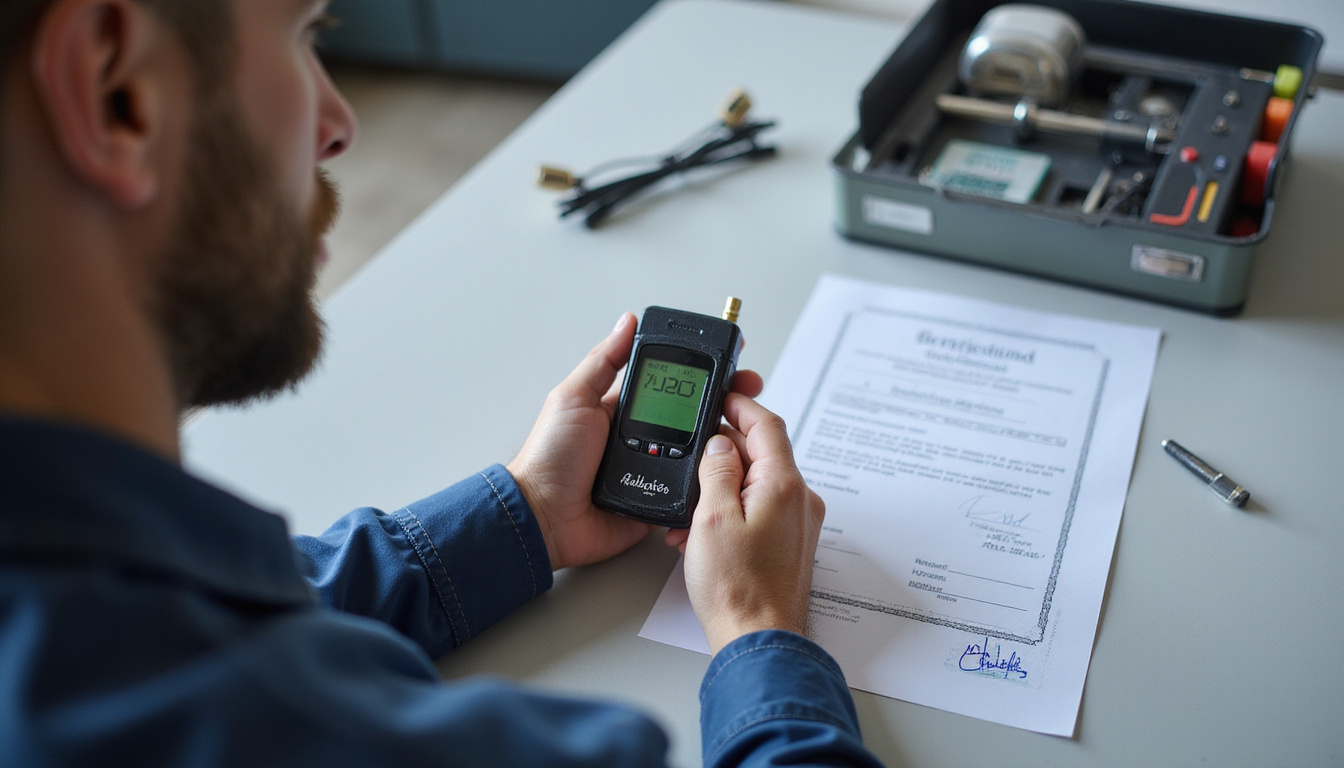
BAC training helps protect your organization. It guards employees, the public, and your business by reducing alcohol misuse at work. You need BAC training whether you run commercial vehicles, manage a safety‑sensitive workplace, or lead a small business with alcohol testing. Good training supports accurate blood alcohol concentration (BAC) testing that holds up under review.
This guide shows clear, practical steps. Follow these steps to build or improve your BAC training program. With this program, you stay compliant, lower legal risk, and boost workplace safety.
What Is BAC Training and Why It Matters
BAC training builds the skills you need to test for alcohol correctly. It covers both theory and practice. Training is needed for:
- Breath alcohol technicians (BATs)
- Screening test technicians (STTs)
- Supervisors in safety‑sensitive roles
- Designated employer representatives (DERs)
- Collection site personnel
Why BAC training is critical
-
Legal and regulatory compliance
Many rules, like U.S. DOT alcohol testing, require that tests follow strict steps. Incomplete training can invalidate test results.
-
Accuracy and reliability
Small mistakes—wrong waiting times, poor breath collection, or miscalibrated equipment—can lead to incorrect test results, which harm both employees and the organization.
-
Protection from liability
When tests are questioned in court, solid BAC training and recorded procedures show you followed the rules.
-
Safety and risk reduction
Good training stops alcohol misuse and helps spot problems early. It builds a strong safety culture.
Step 1: Understand the Regulatory Framework for BAC Training
Before you choose or design a BAC course, know which rules you must follow.
Common frameworks and standards
• DOT / FMCSA (U.S.): Training for commercial drivers and similar roles must meet DOT rules (49 CFR Part 40 and other guidelines).
• State or provincial alcohol testing laws: Some areas add rules for testing and devices.
• Industry standards or accreditation: Healthcare, aviation, rail, and industrial sectors may require their own practices.
• Internal company policy: Many companies set higher standards to reduce risk.
Questions to clarify before you start
• Which employees need formal BAC training for testing?
• Do you need DOT‑compliant training or only internal testing procedures?
• Are recertification or refresher courses needed (for example, every 3 years or after changes in equipment)?
• Do different sites follow different rules?
Keep a record of these answers to guide your training design and vendor choice.
Step 2: Define Clear Roles and Responsibilities
Testing for alcohol is a team task. Tailor BAC training to fit each role in your program.
Key roles to include
• Breath Alcohol Technicians (BATs)
BATs perform confirmation tests with proper devices, fill out forms, and keep test integrity.
• Screening Test Technicians (STTs)
STTs run initial screening on approved devices.
• Supervisors and managers
They notice signs of alcohol misuse, start tests, and enforce the rules.
• Designated Employer Representative (DER)
DERs oversee the testing program. They get test results, work with labs and MROs, and manage follow‑up steps.
• HR and Safety personnel
They set the policy, track training, and manage employee records.
Each role’s training should match its tasks. For example, supervisors learn to spot behavior and document facts, while BATs get deep, practical device training.
Step 3: Choose the Right BAC Training Format
There is no one “best” format. Your needs will depend on risk, budget, and rules.
Common training formats
-
In‑person, instructor‑led training
• Best for: High‑risk operations, DOT testing, and new technician qualification.
• Advantages: Practice with devices, real‑time feedback, and hands‑on assessments.
• Considerations: Higher cost and travel logistics.
-
Virtual live training (webinars, video conferences)
• Best for: Organizations with many sites, refreshers, and policy updates.
• Advantages: Interactive sessions with no travel.
• Considerations: Hands‑on parts may need local checks.
-
Self‑paced e‑learning modules
• Best for: Basic training for supervisors, HR, and staff who do not test directly.
• Advantages: Flexible timing and consistent content.
• Considerations: May not check practical skills well.
-
Hybrid approaches
• For DOT‑style BAT training, learning theory online plus in‑person device training works well.
Always include a knowledge test and a practical test for technicians in your training.
Step 4: Cover the Essential Content in BAC Training
Your BAC training must give both the big picture and clear steps.
Core technical topics
• Basics of alcohol and impairment
– How alcohol enters, moves through, and leaves the body
– How BAC relates to impairment
– Factors (weight, gender, food, metabolism) that affect BAC
• Types of alcohol tests
– Breath tests (screening vs confirmation)
– Blood, saliva, or urine tests (when needed)
– Advantages and limits of each test
• Testing devices and equipment
– How to use evidential breath testers (EBTs)
– How approved screening devices (ASDs) work
– How to check calibration and perform daily checks
– How to spot and fix device errors
• Testing procedures
– How to prepare a testing area
– How to verify an employee’s identity
– How to explain the process and ask for consent
– How to observe the correct waiting times (for example, 15–20 minutes)
– How to handle mouthpieces and maintain hygiene
– How to get deep‑lung breath samples
Compliance and documentation topics
• Regulatory rules and thresholds
– Know the BAC limits for different roles
– Understand the difference between screening and confirmation cutoffs
– Learn the handling of “refusal to test” cases
• Chain of custody and recordkeeping
– Learn to complete Alcohol Testing Forms (like DOT ATF)
– Keep test results secure
– Protect confidentiality
– Follow record retention rules
• Handling special situations
– What to do when an employee cannot or will not test
– How to manage medical issues during testing
– What steps to take if a device fails
– How to handle tests after an accident
• Policy, communication, and ethics
– Explain rights and responsibilities
– Manage conflict and stress
– Stay neutral and professional
– Remain impartial even with colleagues
Good BAC training ties these topics to real scenarios that staff face each day.
Step 5: Build Practical Skills Through Hands‑On BAC Training
Technicians must practice hands‑on skills. This practice ensures test results are accurate.
Practical skills to practice
• How to set up and switch on the device
• How to check calibration and run daily tests
• How to explain the test to the employee in simple language
• How to collect multiple breath samples when needed
• How to spot “shy lung” or weak breath attempts
• How to check for mouth alcohol issues (like recent drinking or mouthwash use)
• How to follow waiting period rules correctly
• How to print and secure test results
• How to fill out testing forms without mistakes
Many good BAC training programs add mock collections. In a mock collection, the trainee performs a complete test under supervision. For DOT BAT training, this mock is required and documented.
Step 6: Document BAC Training and Maintain Records
If you do not document training, you cannot prove it happened. Documentation helps you show compliance and defend your practices.
What to document
• Training completion records for each employee:
– Full name
– Role (BAT, STT, supervisor)
– Type of BAC training completed
– Date of training and its expiration (if applicable)
– Trainer or provider details
• Keep copies of:
– Certificates of completion
– Course outlines or syllabi
– Testing manuals or SOPs
– Device training and calibration logs
• Keep records of:
– Refreshers
– Policy updates and acknowledgements
– Retraining after audits or incidents
Store these records in a secure system (like an HRIS, LMS, or compliance software). This way, you can quickly show evidence of training for audits, legal needs, or reviews.
Step 7: Establish a Refresher and Recertification Schedule
BAC training should not be a one‑time event. Procedures, devices, and rules change. Regular refreshers help keep skills sharp.
When to provide refreshers
• On a fixed schedule (for example, every 2–3 years)
• When you introduce new devices or software
• After an incident or audit shows gaps in procedure
• When rules or company policy change
A refresher course can be shorter and more focused. It should cover:
• Any changes in procedures or thresholds
• Common errors noticed in audits
• Updates in device use and maintenance
• Reminders on documentation and confidentiality
Step 8: Audit, Monitor, and Continuously Improve
To make sure BAC training remains effective, set up feedback loops.
Ways to monitor
• Internal audits of test records and forms
– Look for missing signatures or errors
• Observation checks
– Periodically watch technicians as they test, using a checklist
• Device performance tracking
– Review calibration logs and error rates
• Incident analysis
– See whether alcohol tests were handled right after accidents or suspicions
• Employee feedback
– Ask technicians and supervisors where processes are hard or unclear
Use this feedback to update your BAC training and standard procedures.
Step 9: Integrate BAC Training with Your Overall Drug & Alcohol Policy
BAC training works best when it is part of a clear and consistent policy.
Align training with policy
Make sure your policy and training clearly state:
• When alcohol testing is needed
– Pre‑employment, random tests, post‑accident, tests on reasonable suspicion, return‑to‑duty, and follow‑up testing
• Who must test
– Safety‑sensitive staff, all employees, contractors, etc.
• What counts as a violation
– Specific BAC levels, refusal to test, or tampering with tests
• Consequences of violations
– Removal from duty, referrals to employee assistance (EAP), disciplinary actions, or termination
• Support and rehabilitation options
– Options like self‑reporting, leave with return‑to‑work conditions, or treatment referrals
It is important that supervisors and managers understand both the technical and policy sides of BAC training so that actions are consistent and defensible.
Simple Checklist: Building a Compliant BAC Training Program
Use this checklist as you design or review your BAC training:
- Identify which rules (DOT, state, industry) apply.
- Define roles: BAT, STT, supervisors, DER, HR/safety.
- Select the right training formats (in‑person, virtual, e‑learning).
- Ensure content covers:
• Alcohol basics and impairment
• How to operate and maintain your devices
• Step‑by‑step testing procedures
• Documentation, chain of custody, and confidentiality
• Handling refusals and special cases
- Include hands‑on practice and mock tests for technicians.
- Test knowledge and skills with written and practical evaluations.
- Document all training, certificates, and SOPs.
- Set a schedule for refreshers and track expiration dates.
- Audit tests in practice and fix issues with targeted retraining.
- Keep BAC training in line with your overall drug and alcohol policy.
FAQ: BAC Training and Workplace Alcohol Testing
What is BAC technician training and who needs it?
BAC technician training—also called breath alcohol technician or BAT training—teaches staff to use approved devices for workplace alcohol tests. Anyone who must perform evidential tests, especially where DOT or other strict rules apply, needs this training. They must show both theory and practical skills.
How often should BAC certification or alcohol testing training be renewed?
There is no single rule. It depends on the regulations and your company policy. Many organizations plan refresher training every 2–3 years. In programs governed by DOT rules, retraining is required after device changes or if an audit shows errors.
What should a good workplace alcohol testing training course include?
A strong training program should include:
• An overview of relevant rules and policies
• The basics of BAC and how impairment works
• Step‑by‑step testing procedures, including waiting periods
• Device operation, calibration checks, and troubleshooting
• Proper documentation and recordkeeping
• Handling refusals and special cases
• Hands‑on practice through mock collections or demonstrations
When these elements come together—and refresher sessions and audits support them—BAC training becomes a key tool for accurate, allowed alcohol testing and a safer workplace.