
BAC training helps protect your organization. It guards employees, the public, and your business by reducing alcohol misuse at work. You need BAC training whether you run commercial vehicles, manage a safety‑sensitive workplace, or lead a small business with alcohol testing. Good training supports accurate blood alcohol concentration (BAC) testing that holds up under review.
This guide shows clear, practical steps. Follow these steps to build or improve your BAC training program. With this program, you stay compliant, lower legal risk, and boost workplace safety.
What Is BAC Training and Why It Matters
BAC training builds the skills you need to test for alcohol correctly. It covers both theory and practice. Training is needed for:
- Breath alcohol technicians (BATs)
- Screening test technicians (STTs)
- Supervisors in safety‑sensitive roles
- Designated employer representatives (DERs)
- Collection site personnel
Why BAC training is critical
-
Legal and regulatory compliance
Many rules, like U.S. DOT alcohol testing, require that tests follow strict steps. Incomplete training can invalidate test results. -
Accuracy and reliability
Small mistakes—wrong waiting times, poor breath collection, or miscalibrated equipment—can lead to incorrect test results, which harm both employees and the organization. -
Protection from liability
When tests are questioned in court, solid BAC training and recorded procedures show you followed the rules. -
Safety and risk reduction
Good training stops alcohol misuse and helps spot problems early. It builds a strong safety culture.
Step 1: Understand the Regulatory Framework for BAC Training
Before you choose or design a BAC course, know which rules you must follow.
Common frameworks and standards
• DOT / FMCSA (U.S.): Training for commercial drivers and similar roles must meet DOT rules (49 CFR Part 40 and other guidelines).
• State or provincial alcohol testing laws: Some areas add rules for testing and devices.
• Industry standards or accreditation: Healthcare, aviation, rail, and industrial sectors may require their own practices.
• Internal company policy: Many companies set higher standards to reduce risk.
Questions to clarify before you start
• Which employees need formal BAC training for testing?
• Do you need DOT‑compliant training or only internal testing procedures?
• Are recertification or refresher courses needed (for example, every 3 years or after changes in equipment)?
• Do different sites follow different rules?
Keep a record of these answers to guide your training design and vendor choice.
Step 2: Define Clear Roles and Responsibilities
Testing for alcohol is a team task. Tailor BAC training to fit each role in your program.
Key roles to include
• Breath Alcohol Technicians (BATs)
BATs perform confirmation tests with proper devices, fill out forms, and keep test integrity.
• Screening Test Technicians (STTs)
STTs run initial screening on approved devices.
• Supervisors and managers
They notice signs of alcohol misuse, start tests, and enforce the rules.
• Designated Employer Representative (DER)
DERs oversee the testing program. They get test results, work with labs and MROs, and manage follow‑up steps.
• HR and Safety personnel
They set the policy, track training, and manage employee records.
Each role’s training should match its tasks. For example, supervisors learn to spot behavior and document facts, while BATs get deep, practical device training.
Step 3: Choose the Right BAC Training Format
There is no one “best” format. Your needs will depend on risk, budget, and rules.
Common training formats
-
In‑person, instructor‑led training
• Best for: High‑risk operations, DOT testing, and new technician qualification.
• Advantages: Practice with devices, real‑time feedback, and hands‑on assessments.
• Considerations: Higher cost and travel logistics. -
Virtual live training (webinars, video conferences)
• Best for: Organizations with many sites, refreshers, and policy updates.
• Advantages: Interactive sessions with no travel.
• Considerations: Hands‑on parts may need local checks. -
Self‑paced e‑learning modules
• Best for: Basic training for supervisors, HR, and staff who do not test directly.
• Advantages: Flexible timing and consistent content.
• Considerations: May not check practical skills well. -
Hybrid approaches
• For DOT‑style BAT training, learning theory online plus in‑person device training works well.
Always include a knowledge test and a practical test for technicians in your training.
Step 4: Cover the Essential Content in BAC Training
Your BAC training must give both the big picture and clear steps.
Core technical topics
• Basics of alcohol and impairment
– How alcohol enters, moves through, and leaves the body
– How BAC relates to impairment
– Factors (weight, gender, food, metabolism) that affect BAC
• Types of alcohol tests
– Breath tests (screening vs confirmation)
– Blood, saliva, or urine tests (when needed)
– Advantages and limits of each test
• Testing devices and equipment
– How to use evidential breath testers (EBTs)
– How approved screening devices (ASDs) work
– How to check calibration and perform daily checks
– How to spot and fix device errors
• Testing procedures
– How to prepare a testing area
– How to verify an employee’s identity
– How to explain the process and ask for consent
– How to observe the correct waiting times (for example, 15–20 minutes)
– How to handle mouthpieces and maintain hygiene
– How to get deep‑lung breath samples
Compliance and documentation topics
• Regulatory rules and thresholds
– Know the BAC limits for different roles
– Understand the difference between screening and confirmation cutoffs
– Learn the handling of “refusal to test” cases
• Chain of custody and recordkeeping
– Learn to complete Alcohol Testing Forms (like DOT ATF)
– Keep test results secure
– Protect confidentiality
– Follow record retention rules
• Handling special situations
– What to do when an employee cannot or will not test
– How to manage medical issues during testing
– What steps to take if a device fails
– How to handle tests after an accident
• Policy, communication, and ethics
– Explain rights and responsibilities
– Manage conflict and stress
– Stay neutral and professional
– Remain impartial even with colleagues
Good BAC training ties these topics to real scenarios that staff face each day.
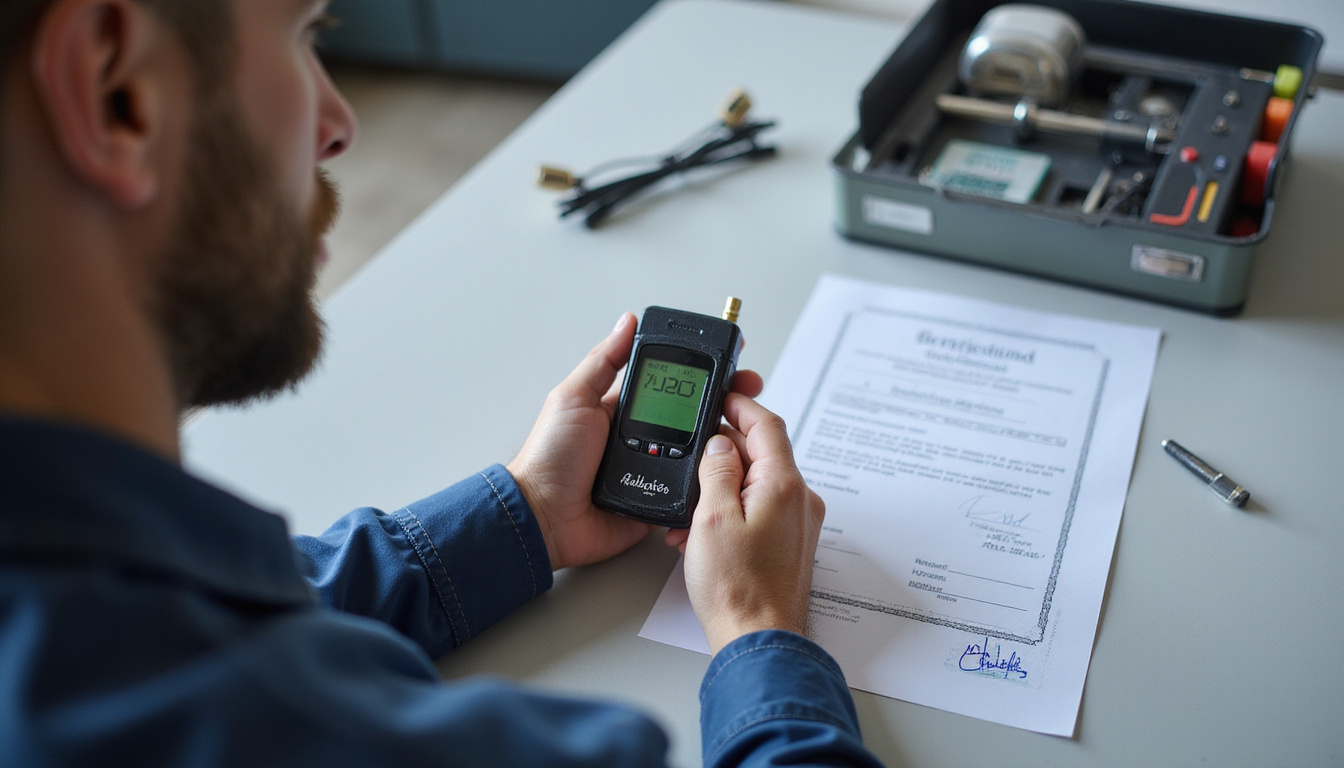
Step 5: Build Practical Skills Through Hands‑On BAC Training
Technicians must practice hands‑on skills. This practice ensures test results are accurate.
Practical skills to practice
• How to set up and switch on the device
• How to check calibration and run daily tests
• How to explain the test to the employee in simple language
• How to collect multiple breath samples when needed
• How to spot “shy lung” or weak breath attempts
• How to check for mouth alcohol issues (like recent drinking or mouthwash use)
• How to follow waiting period rules correctly
• How to print and secure test results
• How to fill out testing forms without mistakes
Many good BAC training programs add mock collections. In a mock collection, the trainee performs a complete test under supervision. For DOT BAT training, this mock is required and documented.
Step 6: Document BAC Training and Maintain Records
If you do not document training, you cannot prove it happened. Documentation helps you show compliance and defend your practices.
What to document
• Training completion records for each employee:
– Full name
– Role (BAT, STT, supervisor)
– Type of BAC training completed
– Date of training and its expiration (if applicable)
– Trainer or provider details
• Keep copies of:
– Certificates of completion
– Course outlines or syllabi
– Testing manuals or SOPs
– Device training and calibration logs
• Keep records of:
– Refreshers
– Policy updates and acknowledgements
– Retraining after audits or incidents
Store these records in a secure system (like an HRIS, LMS, or compliance software). This way, you can quickly show evidence of training for audits, legal needs, or reviews.
Step 7: Establish a Refresher and Recertification Schedule
BAC training should not be a one‑time event. Procedures, devices, and rules change. Regular refreshers help keep skills sharp.
When to provide refreshers
• On a fixed schedule (for example, every 2–3 years)
• When you introduce new devices or software
• After an incident or audit shows gaps in procedure
• When rules or company policy change
A refresher course can be shorter and more focused. It should cover:
• Any changes in procedures or thresholds
• Common errors noticed in audits
• Updates in device use and maintenance
• Reminders on documentation and confidentiality
Step 8: Audit, Monitor, and Continuously Improve
To make sure BAC training remains effective, set up feedback loops.
Ways to monitor
• Internal audits of test records and forms
– Look for missing signatures or errors
• Observation checks
– Periodically watch technicians as they test, using a checklist
• Device performance tracking
– Review calibration logs and error rates
• Incident analysis
– See whether alcohol tests were handled right after accidents or suspicions
• Employee feedback
– Ask technicians and supervisors where processes are hard or unclear
Use this feedback to update your BAC training and standard procedures.
Step 9: Integrate BAC Training with Your Overall Drug & Alcohol Policy
BAC training works best when it is part of a clear and consistent policy.
Align training with policy
Make sure your policy and training clearly state:
• When alcohol testing is needed
– Pre‑employment, random tests, post‑accident, tests on reasonable suspicion, return‑to‑duty, and follow‑up testing
• Who must test
– Safety‑sensitive staff, all employees, contractors, etc.
• What counts as a violation
– Specific BAC levels, refusal to test, or tampering with tests
• Consequences of violations
– Removal from duty, referrals to employee assistance (EAP), disciplinary actions, or termination
• Support and rehabilitation options
– Options like self‑reporting, leave with return‑to‑work conditions, or treatment referrals
It is important that supervisors and managers understand both the technical and policy sides of BAC training so that actions are consistent and defensible.
Simple Checklist: Building a Compliant BAC Training Program
Use this checklist as you design or review your BAC training:
- Identify which rules (DOT, state, industry) apply.
- Define roles: BAT, STT, supervisors, DER, HR/safety.
- Select the right training formats (in‑person, virtual, e‑learning).
- Ensure content covers:
• Alcohol basics and impairment
• How to operate and maintain your devices
• Step‑by‑step testing procedures
• Documentation, chain of custody, and confidentiality
• Handling refusals and special cases - Include hands‑on practice and mock tests for technicians.
- Test knowledge and skills with written and practical evaluations.
- Document all training, certificates, and SOPs.
- Set a schedule for refreshers and track expiration dates.
- Audit tests in practice and fix issues with targeted retraining.
- Keep BAC training in line with your overall drug and alcohol policy.
FAQ: BAC Training and Workplace Alcohol Testing
What is BAC technician training and who needs it?
BAC technician training—also called breath alcohol technician or BAT training—teaches staff to use approved devices for workplace alcohol tests. Anyone who must perform evidential tests, especially where DOT or other strict rules apply, needs this training. They must show both theory and practical skills.
How often should BAC certification or alcohol testing training be renewed?
There is no single rule. It depends on the regulations and your company policy. Many organizations plan refresher training every 2–3 years. In programs governed by DOT rules, retraining is required after device changes or if an audit shows errors.
What should a good workplace alcohol testing training course include?
A strong training program should include:
• An overview of relevant rules and policies
• The basics of BAC and how impairment works
• Step‑by‑step testing procedures, including waiting periods
• Device operation, calibration checks, and troubleshooting
• Proper documentation and recordkeeping
• Handling refusals and special cases
• Hands‑on practice through mock collections or demonstrations
When these elements come together—and refresher sessions and audits support them—BAC training becomes a key tool for accurate, allowed alcohol testing and a safer workplace.