BLOG
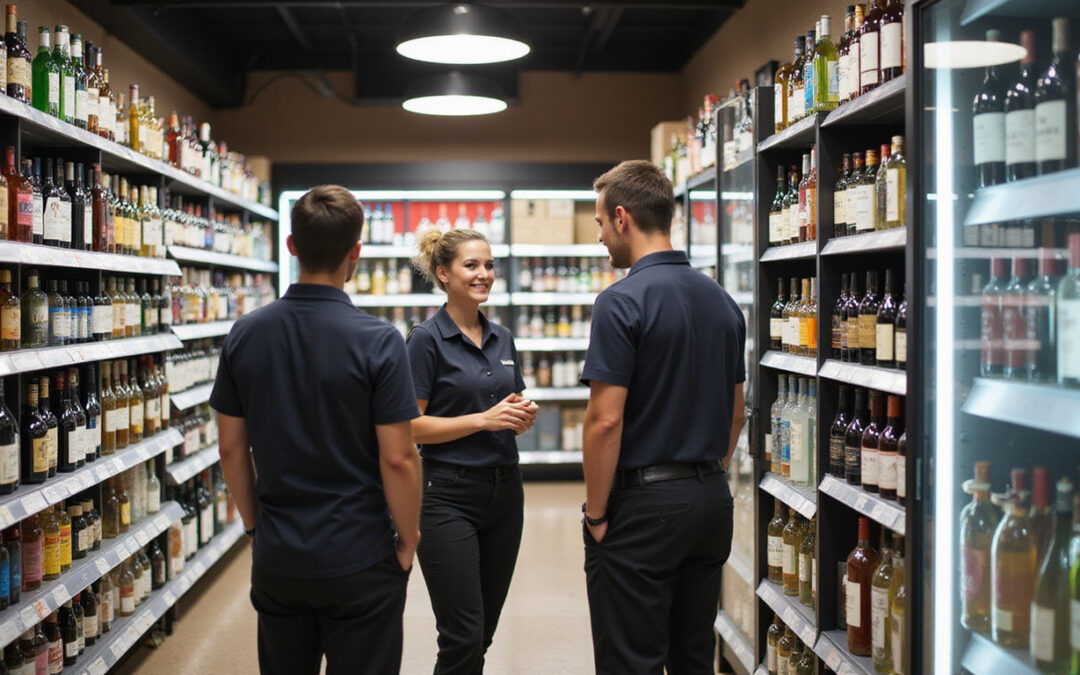
In today’s market, alcohol retailers must act carefully. They follow clear rules for safety, legality, and profit. The goal is to sell alcohol in a safe, legal, and ethical way. This guide helps bars, liquor stores, and other vendors keep safety and profit close together.
Understanding Responsible Alcohol Retail
Responsible alcohol retail adds clear steps. Retailers check IDs, spot intoxication, and guide moderate drinking. They follow the law and help their community. These steps protect the store and the local people.
When retailers act carefully, they build trust. Customers return to a safe place. The store avoids fines and closures while growing sales.
Key Strategies for Responsible Alcohol Retail
1. Comprehensive Staff Training and Certification
Training makes each action clear. Employees learn to:
• Check IDs to stop underage sales
• Spot signs of intoxication
• Handle conflict without blame
• Know legal duties and penalties
Certification, like TIPS or local training, builds strong skills. Ongoing classes keep staff close to the latest rules.
2. Effective Age Verification Procedures
Age checks work best when done simply:
• Use quick, reliable ID scanning
• Train workers to spot fake IDs
• Check every person who looks young (e.g. under 30)
• Keep records clear and updated
These steps lower the risk of errors and fines. They also protect young people.
3. Managing Intoxicated Customers Responsibly
Not serving an intoxicated customer is a must. Workers learn to:
• See signs like slurred speech and clumsy moves
• Politely say “no” when needed
• Offer water or non-alcoholic drinks
• Give taxi or ride-share options
This careful approach keeps the community safe and lowers legal risk.
4. Promoting Moderate Drinking and Education
Retailers help customers enjoy alcohol wisely:
• Sell smaller or weaker drinks
• Show clear signs about safe drinking limits
• Host events that focus on quality over excess
• Work with local health groups to spread clear tips
These ideas teach smart drinking and help all parties.

5. Monitoring and Analyzing Sales Data
Tech tools show buying habits. A clear system can:
• Track busy times and top products
• Notice patterns that may need a check
• Tailor offers to encourage safe choices
Using sales data ties smart business to safe practices.
Benefits of Embracing Responsible Alcohol Retail
Using clear and simple steps brings much gain:
• Legal Compliance: Stops fines and breaks.
• Community Trust: Earns respect from buyers and officials.
• Reducing Liability: Keeps lawsuits at bay.
• Improved Customer Experience: Builds a quality, welcoming space.
• Sustainable Profitability: Gains loyal customers who value safety.
Safe practices here work as ethics and smart business together.
Checklist: Implementing a Responsible Alcohol Retail Program
Follow these clear steps:
- Write a clear alcohol sales policy with rules and steps.
- Train every employee with proper programs and role plays.
- Set up and check age verification systems.
- Make simple rules for turning away customers who are too drunk.
- Place clear messages about safe drinking in your store.
- Update rules often to match law and insights.
- Talk with local officials and health groups for the latest news.
- Check sales data to catch issues early.
This checklist helps keep safe practices close at hand.
Frequently Asked Questions About Responsible Alcohol Retail
1. What does responsible alcohol retail include?
It means clear rules: check IDs, train employees, avoid over-serving, and follow the law. These steps keep alcohol sales safe and fair.
2. How can responsible alcohol retail impact a business’s profitability?
Safe and ethical practices build trust. This leads to more customers, fewer fines, and steady sales. Retailers use data to stock and promote wisely.
3. What are some technologies used in responsible alcohol retail?
Tools like electronic ID scanners speed up age checks. Point-of-sale systems track sales. Customer management tools help study buying habits. These technologies keep vendors on track.
Conclusion
Safe alcohol retail brings benefits for the community and profit. With clear rules, simple steps, and ongoing training, retailers secure a strong reputation. As rules and customer expectations grow, vendors who act responsibly stand out.
For more tips on safe alcohol sales, check guidelines from groups like the National Institute on Alcohol Abuse and Alcoholism (NIAAA). Safe practices are not just legal steps—they create a healthier, safer, and more fruitful market for everyone.
BLOG
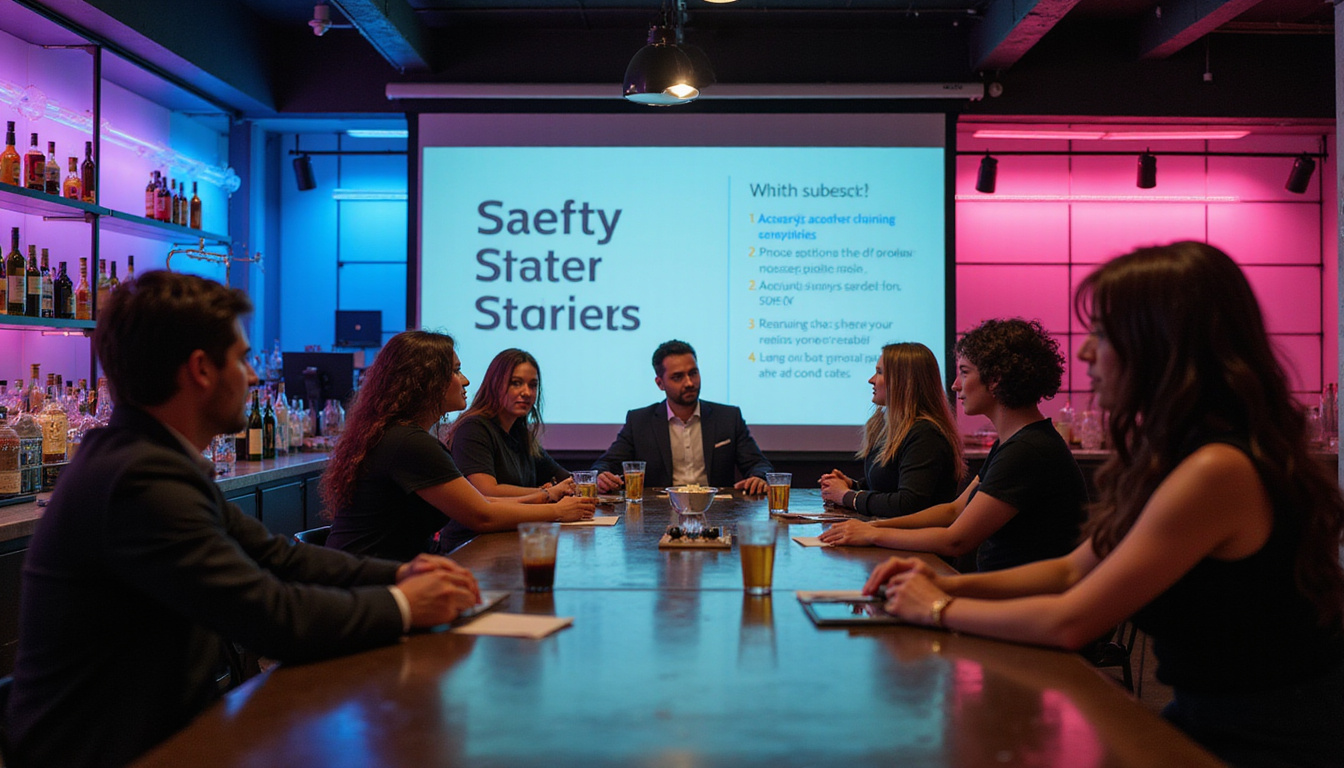
In the hospitality industry, guest safety is key. Host responsibility training gives staff the skills to serve alcohol well, spot risk signs, and keep a safe space. If you run a bar, restaurant, or event venue, knowing host responsibility training is vital for both law and guest satisfaction.
In this article, we explore what host responsibility training covers, why it matters, how it helps your business, and simple ways to use it.
What Is Host Responsibility Training?
Host responsibility training is a course for staff who serve or manage alcohol. It teaches them to:
• Notice signs of intoxication
• Serve alcohol carefully
• Follow laws for alcohol service
• Stop issues such as underage drinking or over-drinking
This training is often required by law. It helps lower harm from alcohol in licensed places.
Why Host Responsibility Training Matters
Host responsibility training goes beyond following rules. Whether your venue is small or large, serving alcohol well can:
• Keep guests safe. Trained staff see early signs of trouble and act fast.
• Reduce legal risks. They learn the laws and avoid fines or penalties.
• Boost your venue’s image. Good service builds guest trust and loyalty.
• Prevent problems. Fewer incidents mean a smoother day for your business.
This training helps create a safe community and a strong business.
Key Parts of Good Host Responsibility Training
Good training covers these main topics:
-
Legal Rules
• Know the age limits and service times
• Learn penalties for breaking laws
• Understand when to refuse service
-
Spotting Intoxication
• Watch for slurred speech or clumsy actions
• Politely stop service if needed
• Offer water or non-alcoholic drinks
-
Smart Serving
• Serve drinks slowly and monitor amounts
• Encourage eating while drinking
• Stop service at the first sign of trouble
-
Handling Tough Situations
• Use simple conflict-resolution ideas
• Ask for help from security or police when needed
-
Promoting Safe Trips Home
• Talk to guests about taxis, ride-shares, or designated drivers
Benefits of Host Responsibility Training for Your Business
A strong training program gives you:
• Compliance. You show you follow the law, keeping your license safe.
• Less risk. The training stops legal problems from bad alcohol service.
• More confident staff. Trained employees know what to do in tough moments.
• Happier guests. A safe venue makes customers return.
• Safer community. Fewer alcohol problems lead to a better neighborhood.
How to Use Host Responsibility Training
Here are steps to start or improve host responsibility training:
Step 1: Choose a Certified Training Program
Find a course that your local law accepts. Good courses end with a certificate for staff.
Step 2: Train All Staff
Not only bartenders but servers, managers, and security should join. All must learn the same rules.
Step 3: Schedule Refreshers
Keep training up-to-date as laws and best methods change.
Step 4: Write Clear Policies
Make simple, written rules based on the training. Make sure every staff member can follow them.
Step 5: Watch and Support
Supervisors should check how staff serve and give feedback. Rewarding good behavior builds a caring work culture.
Host Responsibility Training Checklist for Hospitality Venues
• [ ] Find a certified host responsibility training program
• [ ] Train every person who serves alcohol
• [ ] Update your written alcohol service policies
• [ ] Offer regular training updates
• [ ] Check staff work and fix any issues
• [ ] Encourage safe ways to get home
• [ ] Keep records of training for proof and law checks
Common Challenges and How to Beat Them
Even with care, some problems arise:
• Staff Turnover: When staff leave, new ones need training.
- Fix: Add training to the onboarding plan.
• Resistance to Change: Some staff may not want to refuse service or handle tough patrons.
- Fix: Stress the legal and safety benefits.
• Changing Laws: New rules can cause gaps.
- Fix: Subscribe to law updates and adjust your training.
By facing these issues early, your program works better.
Frequently Asked Questions (FAQ)
-
What does host responsibility training do?
It teaches staff to serve alcohol right, know the laws, spot intoxication, and stop alcohol harm.
-
Is this training required everywhere?
Rules differ. Many regions need training to keep alcohol service legal.
-
How often should staff train?
Staff usually get training before serving alcohol and take refreshers yearly or when laws change.
Conclusion
Host responsibility training is a key tool for any hospitality business serving alcohol. It builds a safe, friendly place by giving staff the tools to serve well, follow the rules, and stop alcohol-related issues. Good training protects your guests and your business while making your venue stand out. When you invest in host responsibility training, you build a safer community and a stronger hospitality industry.
For more on alcohol management and laws, visit Liquor Control Board or local authoritative sources. With the right training, your staff can keep your venue safe and compliant today and tomorrow.
BLOG
In today’s competitive market, vendor training Louisiana matters. It boosts efficiency. It builds stronger partnerships. Small and large businesses can use it. This article shows why Louisiana vendor training is vital. It also gives clear tips for success.
Why Vendor Training Louisiana Matters for Your Business
Louisiana vendor training tells every vendor your company’s rules. It makes suppliers and distributors know what to do. Training cuts mistakes and raises product quality. It also grows clear talk.
In Louisiana, many types of businesses exist. The state has manufacturing, farming, technology, and retail. Good training helps vendors meet local rules. This skillful match can lift your profits.
Key Benefits of Vendor Training Louisiana
A Louisiana vendor training program brings many gains:
- Improved Quality Control: Vendors learn your quality rules. This stops many defects and returns.
- Enhanced Compliance: Training makes vendors follow Louisiana rules.
- Strengthened Partnerships: Clear talk builds trust and long-term ties.
- Cost Efficiency: Simple steps cut errors and speed up work. This saves money.
- Risk Mitigation: Skilled vendors lower supply chain stops and legal troubles.
How to Develop Effective Vendor Training Louisiana Programs
A good training program needs clear planning. Here are the main steps:
1. Assess Vendor Needs and Capabilities
Check current vendor skills. Find their gaps. Use surveys, talks, and data. This step shows where training is needed.
2. Define Clear Training Objectives
Set clear goals. Aim to meet Louisiana rules, boost quality, or cut delay times. These goals guide the training work.
3. Customize Training Materials
Make training that fits the vendor role. Use:
• Videos that show product details.
• Manuals with Louisiana rules.
• Guides for best practices.
4. Choose the Right Training Format
Pick formats that fit vendor needs. Options include face-to-face workshops, online sessions, or e-learning. A mix may work best.
5. Implement Interactive and Practical Sessions
Let vendors join hands-on work. Hold Q&A sessions. Use real-life examples. This plan helps them learn and remember.
6. Measure and Monitor Training Effectiveness
Test with quizzes and get feedback. Look at scores and comments. Keep checking to improve how you train.
Essential Topics to Cover in Vendor Training Louisiana
Make sure your training touches these parts:
• Louisiana Regulatory Compliance: Know the state laws and rules.
• Quality Assurance Practices: Learn the strict product standards.
• Communication Protocols: Follow good steps for reporting and updates.
• Supply Chain Management: Manage orders, stocks, and delivery times well.
• Emergency Preparedness: Plan for disruptions and storms common in Louisiana.
Best Practices for Vendor Training Louisiana
To get the most from training, try these tips:
• Engage local experts: Use those who know Louisiana well.
• Provide ongoing support: Keep training even after the first session.
• Foster open communication: Let vendors ask questions and give feedback.
• Leverage technology: Use systems to track progress and share materials.
Vendor Training Louisiana: A Checklist for Success
Use this list to keep track:
- [ ] List current and future vendors
- [ ] Assess each vendor’s needs
- [ ] Set clear training goals
- [ ] Prepare custom training materials
- [ ] Choose the best training formats
- [ ] Schedule and run training sessions
- [ ] Collect and review vendor feedback
- [ ] Offer ongoing training support
- [ ] Update content with new rules and trends
Case Study: How Vendor Training Louisiana Improved Supply Chain Efficiency
A manufacturing company in Louisiana used vendor training. They focused on state rules and quality checks. In six months, defects dropped by 20%. Delivery times also improved. The clear goals, interactive sessions, and constant follow-up showed the benefits of vendor training.
FAQ Section: Vendor Training Louisiana
Q1: What types of businesses benefit most from this training?
Any business that uses third-party vendors—from factories to retail—can gain from it.
Q2: How often should training sessions occur?
Try an annual session with refreshers as needed.
Q3: Can small Louisiana businesses use a limited budget?
Yes. Use webinars, online courses, or group workshops for a cost-friendly option.
Conclusion
Vendor training Louisiana is key for any business. It helps improve vendor teamwork, meet local rules, and boost overall performance. By following our steps—from checking vendor needs to offering ongoing help—Louisiana businesses can make stronger bonds. Training today leads to better growth tomorrow.
For more tips on supply chain and vendor work, visit the Louisiana Economic Development website.
By focusing on vendor training Louisiana programs, your business stays close to top industry goals. This focus sets the stage for long-term success in the lively Louisiana market.
BLOG
Alcohol harm reduction helps people enjoy social drinking while lowering harm to their bodies and lives. It helps casual drinkers and those who struggle to control alcohol use. Simple, clear methods can protect your health and boost your wellbeing. This article shows you practical and evidence-based ways to drink more safely.
Understanding Alcohol Harm Reduction
Alcohol harm reduction means using steps that lower the risks of drinking. It does not force you to quit alcohol. Some people may drink, so these methods aim to protect your body and mind.
Using these practices, you can lower the chance of accidents, long‐term illnesses, and addiction. Alcohol affects every person in a unique way. Your health, how you drink, and your surroundings matter. Harm reduction gives you flexible ways to stay safe and healthy.
Why Is Alcohol Harm Reduction Important?
Alcohol use brings many health risks such as liver disease, heart problems, and poor judgment. The World Health Organization notes that alcohol causes over 3 million deaths each year worldwide. Even moderate drinking can harm you. Binge drinking and heavy use may cause serious problems for your body and social life.
Harm reduction helps to avoid:
• Long-term health issues like liver cirrhosis and some cancers
• Mental health challenges like depression and anxiety
• Alcohol addiction
• Injuries and accidents from poor coordination
By using harm reduction steps, you take charge of your health. You learn to control your alcohol use day by day.
Practical Alcohol Harm Reduction Strategies
Below are clear ways to lower risk when drinking:
1. Set Clear Drinking Limits
Decide on a limit for how much you drink. Follow the rules such as one drink a day for women and two for men. Use a water bottle, tracking app, or count your drinks. These tools help you keep track.
2. Choose Lower-Alcohol Options
Pick drinks with less alcohol. Light beer, wine spritzers or diluted cocktails let you enjoy the moment without heavy intoxication.
3. Pace Yourself
Drink slowly to give your liver time to process alcohol. Try to have only one drink per hour. Sip water or a soft drink between alcoholic beverages. This helps you slow down and stay hydrated.
4. Eat Before and While Drinking
Food in your stomach slows the absorption of alcohol. A meal that is rich in protein, fats, and complex carbohydrates can help. Snacking while you drink may also prevent a quick rise in blood alcohol.
5. Avoid Drinking Games and Shots
Fast-paced drinking speeds up the risk. Drinking games and shots push you toward binge drinking. Instead, talk or join fun activities that do not focus on heavy drinking.
6. Use Alcohol-Free Days
Plan days when you do not drink at all. These breaks help lower your overall intake, improve liver health, and lower your tolerance.
7. Plan Safe Transportation
Never drive after drinking. Use designated drivers, taxis, rideshares, or public transport. Your safety is the top priority.
8. Seek Social Support and Set Boundaries
Tell friends and family about your drinking goals. They can help you stick to your choices. Learn to say no when you face pressure to drink too much.
9. Know the Warning Signs
Watch for signs like needing alcohol to relax or drinking more than planned. Early warning signals can help you get support quickly.
Alcohol Harm Reduction: Tools and Resources
You can use extra tools to help keep your drinking safe:
• Drink trackers: Apps like DrinkControl or AlcoDroid help you log your drinks.
• Brief interventions: Health pros may use short counseling sessions to reduce risk.
• Support groups: Groups such as Moderation Management offer advice and friendship.
• Educational materials: Fact sheets and guidelines from trusted groups keep you informed.
Summary: Key Alcohol Harm Reduction Practices
Here is a short list of key ideas:
- Set personal drinking limits that match health guides.
- Choose drinks with lower alcohol content.
- Drink slowly and take water breaks.
- Eat healthy food before and during drinking.
- Avoid games and shots that lead to binge drinking.
- Take breaks from alcohol with alcohol-free days.
- Plan safe ways home if you drink.
- Tell others your limits and seek support.
- Watch for signs of problem drinking and get help if needed.
Frequently Asked Questions About Alcohol Harm Reduction
Q1: What is the difference between harm reduction and abstinence?
A1: Harm reduction means lowering alcohol risks while still drinking. Abstinence means not drinking at all.
Q2: Can harm reduction strategies prevent addiction?
A2: Using these steps may lower the risk of addiction by promoting controlled drinking and early help.
Q3: Are there ways for heavy drinkers to reduce harm?
A3: Yes. Heavy drinkers can slowly reduce intake, get professional support, and have alcohol-free days to manage drinking safely.
Conclusion
Alcohol harm reduction gives you clear, useful steps to protect your health while enjoying social drinking. By setting limits, drinking slowly, eating well, and asking for help, you cut down the risks of long-term health and social problems. Even small changes can boost your well-being.
For more help, consult the World Health Organization or a local health professional. Take control of your drinking today and safeguard your health for tomorrow.
BLOG
Alcohol service matters in many bars and clubs. When service goes wrong, problems follow. Problems include legal issues, a poor reputation, and safety risks. That is why we need to train alcohol servers. This training helps lower risks. It also makes sure servers can handle alcohol service well. In this article, we share simple training tips that protect both servers and businesses.
Understanding Alcohol Server Safety Training
Alcohol server safety training is a program that teaches servers, bartenders, and managers. It covers laws, safe practices, and duties when serving alcohol. The training helps stop over-serving, serving minors, and unsafe care for intoxicated guests.
Training in the right way is a smart move. It not only keeps people safe but also helps protect your business from lawsuits and legal trouble.
Why Alcohol Server Safety Training Is Critical for Liability Prevention
If you do not follow alcohol service laws, you can face penalties, fines, or even criminal charges. In many places, both the business and the individual server face legal trouble when a guest is harmed by careless service. This can happen when a guest drives drunk, starts a fight, or gets injured.
Good training shows how to spot intoxication, check IDs, and calm tense situations. Following these tips lowers risks. It also builds a culture of care and skill that customers and regulators respect.
Essential Tips for Effective Alcohol Server Safety Training
To build a strong training program that cuts liability, use these tips:
1. Start with State and Local Laws
Alcohol laws change by location. Your training must include the legal drinking age, permitted sale hours, and server duties in your area. Check and update these rules often.
2. Educate on Identifying Fake IDs and Age Verification
Serving underage customers brings risk. Train servers to check IDs carefully. Teach them to spot signs of tampering and inconsistencies. Instruct them to always ask for a government-issued ID.
3. Train on Recognizing Signs of Intoxication
Servers need to see signs of intoxication early. They must notice slurred speech, poor coordination, or aggressive behavior. Recognizing these signs helps stop a problem before it grows.
4. Implement Clear Protocols for Refusing Service
It can be hard to say no to a customer. Train servers to refuse service politely but firmly. Teach them to handle conflict well while keeping everyone safe.
5. Emphasize De-escalation and Conflict Management Skills
Alcohol can lead to tense moments. Teach your team simple ways to defuse tense situations. These skills help avoid harm and legal trouble.
6. Provide Emergency Response Training
Training must include what to do if an incident occurs. Servers should know how to call emergency services, give simple first aid, and document events to protect the business.
7. Use Interactive and Ongoing Training Methods
Talks alone do not work well. Use interactive methods like role-playing, quizzes, and scenario analysis. Regular refresher courses help keep skills sharp and current.
The Benefits of Proper Alcohol Server Safety Training
Good training offers many advantages beyond lowering risks:
- Improved customer experience: Safe service makes the environment better.
- Reduced incidents: Fewer fights, accidents, and disturbances smooth operations.
- Legal compliance: Meeting legal standards helps keep your licenses and avoids fines.
- Enhanced reputation: A focus on safety and professionalism wins customer trust.
Alcohol Server Safety Training Checklist
Here is a simple checklist for your training program:
- Overview of alcohol laws and rules
- Steps for checking age and spotting fake IDs
- Tips to spot clues of intoxication
- Rules for refusing service
- Skills for de-escalation and handling conflict
- Steps for emergency response
- Methods for proper documentation and reporting
- Role-playing exercises
- Regular refresher training sessions
FAQs About Alcohol Server Safety Training
What is the primary focus of alcohol server safety training?
The training shows servers how to follow laws and care for guests. It covers spotting intoxication, checking age, and stopping over-serving. These skills help reduce risk and legal issues.
How often should alcohol server safety training be conducted?
Provide training when new staff join and then give refresher sessions. Generally, trainings happen every 6 to 12 months or when laws or policies change.
Can alcohol server safety training reduce the likelihood of legal action?
Yes. Good training makes servers act well and follow laws. This lowers the chance of incidents that lead to lawsuits or penalties. It also shows that your business takes safety seriously.
Final Thoughts
Alcohol server safety training is not just a rule to follow; it is an important step for protecting customers, staff, and the business. By training your servers well, you reduce risks, follow laws, and build a good reputation. Add these tips to your training programs for a safer place.
For more help with alcohol server programs, check resources like the TIPS Training website. This site offers complete courses to support responsible alcohol service.