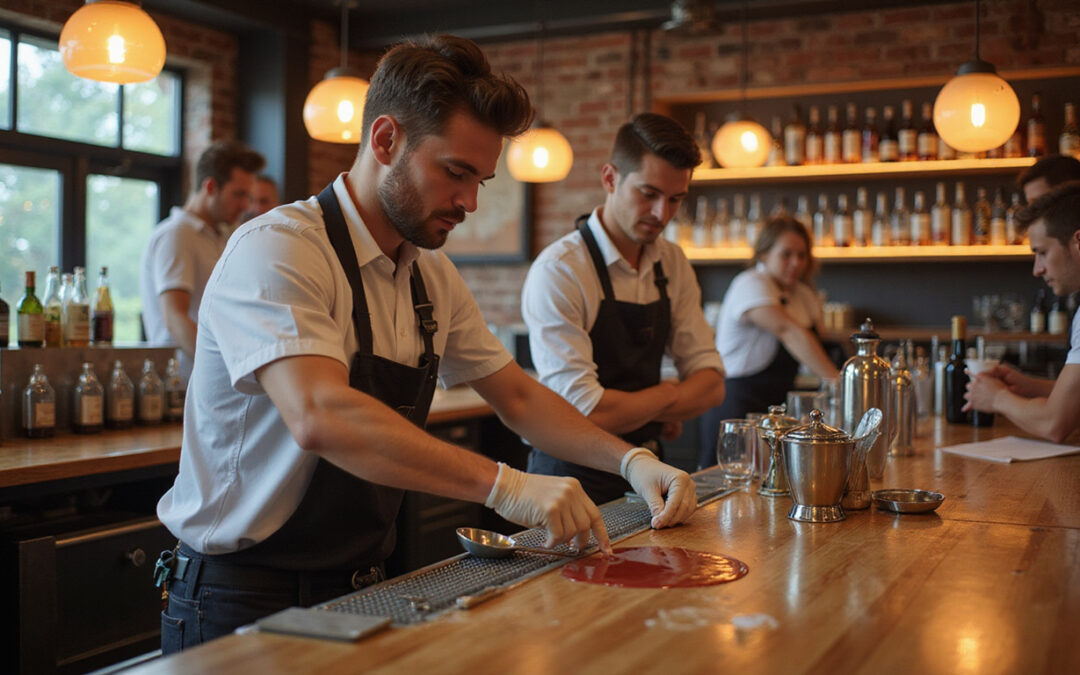
Bar safety training protects your customers, staff, and business. It stops accidents, legal problems, and bad press. You run a neighborhood pub, a busy nightclub, or a restaurant bar. You must use a clear method for safety. It is a core business need.
This guide shows bar safety training parts. It walks through alcohol service, crowd management, emergency response, and legal rules. This way you lower risks and run a safer, more profitable bar.
Why bar safety training matters more than ever
Bars face many risks. They have intoxicated patrons, glassware, cash, loud music, late hours, and crowded rooms. Without proper safety training, these risks can lead to:
- Slips, trips, and falls
- Fights and assaults
- Serving too much alcohol or alcohol poisoning
- Drunk driving when leaving
- Property damage and theft
- Fines or lost license
- Costly lawsuits and insurance claims
Public health and safety research show that staff training on alcohol service and enviromental management cuts alcohol-related harm and legal risk (source: CDC).
Bar safety training is not a box to check. It is a proactive plan that helps you:
- Protect guests and staff
- Keep your liquor license
- Lower insurance costs
- Raise staff confidence and performance
- Build a strong safety culture
Core components of effective bar safety training
Effective bar safety training covers many areas. It does not focus only on alcohol service. A full program usually covers:
- Responsible alcohol service
- Patron behavior and conflict management
- Physical safety and hazard control
- Emergency and incident response
- Legal and regulatory compliance
- Internal policies and documentation
Let us break these areas down.
Responsible alcohol service: Your first line of defense
Responsible alcohol service sits at the center of bar safety. Bad decisions behind the bar increase your liability.
Recognizing signs of intoxication
Staff learn to spot intoxication through many clues. They see:
- Slurred speech
- Unsteady balance
- Aggressive or overly loud behavior
- Problems handling money, cards, or glassware
- Slow reactions and poor coordination
Training stresses that staff must observe changes over time. They do not check just one sign.
Techniques to slow or stop service
Staff need clear tools and scripts when a guest is too drunk. They learn to:
- Offer water and food
- Suggest non-alcoholic drinks
- Increase time between drinks
- Say no to more drinks, firmly yet respectfully
- Call a manager or security for backup
Role-playing helps staff practice these talks before a busy night.
ID checking and age verification
Serving minors can cost you your license. Training covers:
- Acceptable ID forms
- How to spot fake or altered IDs
- When to ask for a second ID
- How to say no if unsure
Clear rules such as “ID everyone who looks under __” help more than a subjective rule.
Managing patron behavior and preventing conflict
Even with alcohol control, conflicts can start. Bar safety training gives staff tools for managing people.
De-escalation skills
Train bartenders, servers, and security to:
- Stay calm and use a neutral tone
- Avoid harsh words or physical contact
- Create space between people in conflict
- Change the subject or lead away from conflict
- Call a manager early when needed
A simple script could be:
“I want everyone to be safe and enjoy their night. Let’s move to a quieter spot to talk.”
Early warning signs of trouble
Staff learn to see and report signs such as:
- Groups arguing loudly
- Guests harassing staff or others
- Signs of drug use or dealing
- People bumping into others or invading space
A “no-surprise culture” means staff report small issues early to prevent bigger problems.
Handling ejections and refusals
Removing a guest or refusing service always involves risk. Training explains:
- Who may refuse service or eject a guest
- How to do so using clear, calm words
- When to call security or law enforcement
- Where guests wait for rides or transport
Writing down ejections and refusals soon after helps if the incident leads to later complaints.
Physical safety: Preventing slips, trips, and injuries
The bar’s physical space can cause accidents. Bar safety training covers day-to-day hazard control.
Common physical hazards in bars
Staff learn that hazards include:
- Wet or sticky floors behind the bar and in restrooms
- Broken glass or spills that are not cleaned fast enough
- Poor lighting in hallways or on stairs
- Crowded areas near the bar or dance floor
- Worn mats or loose cables
- Kegs, bottles, or tools stored unsafely
Safe work practices for staff
Workers learn clear actions such as:
- Cleaning spills immediately and using “wet floor” signs
- Using non-slip shoes
- Keeping bar mats flat and storage neat
- Lifting and moving kegs or cases properly to avoid injury
- Storing knives and tools securely
A routine checklist during opening, shifts, and closing ensures hazards are found and fixed each day.
Emergency response: Preparing for the worst
No matter how good you are at prevention, emergencies can occur. Bar safety training makes sure your team knows what to do.
Medical emergencies and over-intoxication
Staff learn how to:
- Recognize signs of alcohol poisoning (e.g., vomiting, non-responsiveness, slow breathing)
- Place a guest in the recovery position if they are unresponsive but breathing
- Call emergency services quickly and clearly
- Stay with the guest until help comes
- Write down what happened
Staff are told to act fast because waiting “to see if they’re okay” wastes valuable time.
Fights and violent incidents
Training covers how to:
- Call police or security instead of intervening physically
- Protect bystanders and other guests
- Find safe escape routes for both staff and guests
- Secure cash and sensitive areas during a disturbance
Staff are warned not to act as untrained heroes in dangerous situations.
Fire, evacuation, and other crises
Every staff member learns:
- Where the alarms are and how to turn them on
- Which exits and evacuation routes to use
- Every external assembly point
- Who must check restrooms and side rooms
- How to help those with disabilities
Bar safety training should include regular drills and annual reviews of emergency procedures.
Legal and insurance implications of bar safety training
Bars have strict rules. Without safety training and records, you face high risks.
Dram shop and liquor liability laws
Many areas have laws that blame bars when:
- They serve very intoxicated people who later cause harm (e.g., drunk driving)
- They serve minors who later get hurt or hurt others
Training staff in responsible service and keeping records can:
- Cut down harmful incidents
- Offer some legal protection if you show you acted responsibly
Regulatory compliance and inspections
Regulators may ask for:
- Proof that every staff member got bar safety training
- Certificates from official alcohol service programs
- Written policies on ID checks, handling intoxication, and closing procedures
Regular checks of staff practices help you avoid fines or loss of license.
Impact on insurance and risk management
Insurers look for proof of bar safety training when setting policies or checking claims. A strong training program can:
- Lower premiums or prevent extra charges
- Help your defense in liability claims
- Show that you take risk management seriously
Designing a bar safety training program that actually works
A binder on a shelf does not keep anyone safe. Effective bar safety training happens every day. It must be practical and repeated.
Key elements of a strong training program
-
Onboarding training
Every new hire—bartender, server, barback, host, or security—must get clear safety training before they work alone. -
Role-specific modules
- Bartenders learn alcohol service, ID checks, intoxication signs, and glassware safety
- Servers learn guest monitoring, table checks, and reporting issues
- Security learns de-escalation, ejection procedures, and incident documentation
- Managers learn policy enforcement, incident response, and how to talk to authorities
-
Regular refreshers
Hold short refreshers every few months or twice a year to repeat key topics and update staff on any changes. -
Scenario-based practice
Use real-life scenarios and role-play such as:- A guest who will not show ID
- A couple arguing that escalates
- A guest showing signs of alcohol poisoning
- A slip-and-fall in a restroom
-
Documentation and tracking
Keep records of:- Training dates and topics
- Sign-in sheets or digital records
- Copies of certifications (like responsible beverage service)
Using external resources and certifications
Think about using known training programs in your bar safety plan, such as:
- Responsible beverage service (RBS) or alcohol seller–server training required by law
- First aid/CPR basics for key staff
- Crowd management or security training for risky venues
These external programs support your own policies and show regulators and insurers your professionalism.
Building a culture of safety in your bar
Rules and training only work when they are part of a true safety culture.
Lead by example
Managers and owners must show and follow the same safety rules. They must:
- Use the same safety steps they ask of staff
- Support employees who refuse service or eject guests for safety reasons
- Never push staff to overserve to boost sales
When staff see that safety matters more than one night’s revenue, they act responsibly.
Encourage reporting and feedback
Create a space where:
- Staff report hazards or concerns without fear
- Near-misses become learning moments
- Suggestions for better safety are welcome
A simple log for hazards, incidents, and near-misses that management reviews weekly can help.
Recognize and reward safe behavior
Praise staff who:
- Handle a difficult intoxication situation well
- Spot and fix a hazard before harm occurs
- Use strong de-escalation skills
Recognition such as public thanks, small rewards, or preferred shifts strengthens the safety culture.
Practical checklist: What your bar safety training should include
Use this checklist to plan or review your own program:
-
Alcohol service & intoxication
- Recognize signs and stages of intoxication
- Set drink limits and pacing
- Use refusal scripts and clear escalation steps
-
ID and age verification
- Know which IDs are acceptable and how to check them
- Handle fake or questionable IDs well
-
Patron behavior & conflict
- Use simple de-escalation techniques
- Spot early signs of aggression
- Follow clear steps for ejection or banning
-
Physical safety
- Respond to spills and keep floors safe
- Lift and store items safely
- Handle glassware and sharps with care
-
Emergency response
- Respond to medical emergencies and alcohol poisoning properly
- Handle fights and violent incidents
- Follow fire, evacuation, and severe weather plans
-
Legal & policy
- Understand local alcohol and licensing laws
- Keep clear documentation and incident reports
- Define role-specific duties
-
Ongoing culture
- Encourage hazard and near-miss reporting
- Offer regular refresher trainings
- Show management’s commitment to safety
FAQs about bar safety training
What should be included in a bar safety training program?
A full program covers responsible alcohol service, ID checking, recognizing and managing intoxication, and using de-escalation skills. It also teaches hazard control, emergency steps, and proper incident reporting. It tells every role what to do in normal times and in crises.
How often should bar staff receive safety and alcohol service training?
Staff must get training during onboarding. They should also have a formal refresher at least once a year. Many bars hold short sessions every 3–6 months, especially when laws or operations change or after any serious incident.
Is responsible alcohol service training enough to protect a bar from liability?
Alcohol service training is essential, but it is not enough alone. Bars must also train on physical safety, emergency response, documentation, and build a strong safety culture. Courts and regulators review overall policies, enforcement, and the work environment—not just one course.
Investing in robust bar safety training protects your guests, team, and business. By creating clear steps, practicing real scenarios, and building a culture that puts safety first, you reduce accidents and legal risk. You build an environment where people feel safe coming back again and again.