
Alcohol enforcement has changed a lot in the last decade.
Where officers once used bar checks and sting operations, they now use data analytics, community ties, and technology to stop illicit sales.
Underage online buys and unlicensed pop-up bars now force agencies to act fast against new threats and markets.
This article explains how modern alcohol enforcement works, shows new police and regulator tactics, and tells retailers, servers, and community members what they must know to stay safe and comply.
Why Alcohol Enforcement Still Matters
Even though alcohol is legal and regulated, it is still one of the most misused substances.
Effective enforcement does not only punish illegal sales; it also prevents:
• Underage drinking and access
• DUI crashes and alcohol-linked violence
• Public health problems and long-term addiction
• Tax evasion and unsafe, unregulated products
The World Health Organization finds that harmful alcohol use greatly risks disease, injury, and premature death.
That risk makes police, licensing boards, and public health agencies update tactics to match new sales channels and behavior.
The New Landscape of Illicit Alcohol Sales
Illicit alcohol sales do not happen only in dim bars or hidden clubs.
Today, authorities face new challenges such as:
• Online and app orders that make ID checks harder
• Unlicensed home sellers on social media
• Illegal delivery to minors or intoxicated people
• Counterfeit or tainted alcohol that may poison
• Pop-up events and festivals that lack proper licenses
Modern enforcement plans cover this broad, complex scene while still respecting legal rights and due process.
Data-Driven Alcohol Enforcement
A major change is the shift to data-driven enforcement.
Agencies no longer rely on random checks; they use analytics to spot high-risk areas and patterns.
Predictive Analysis and Hot-Spot Mapping
Police and regulators now use:
• Geospatial mapping of incidents like DUI arrests, assaults, and medical calls
• Time analysis to show peak risk hours and days
• Correlations that link some outlets to neighborhood disorder
This data helps them:
• Prioritize license inspections where harm gathers
• Target checks in spots with high underage use
• Plan patrols near closing times of problematic venues
The result is enforcement that is efficient, focused on preventing harm instead of broad sweeps.
Undercover and Decoy Operations: Evolving, Not Disappearing
Undercover work still plays a key role, but it now works in new ways.
Youth Decoy Operations
Many areas now do compliance checks with underage decoys in controlled spots.
They check if:
• Clerks and servers properly verify ID
• Staff spot fake IDs
• Policies for refusing sales work as they should
These checks now pair punishment with education and training, especially for first-time errors.
Social Media and Digital Undercover Work
Police now work secretly online to:
• Find people selling alcohol without a license on social media
• Track unlicensed delivery offers aimed at minors
• Follow promotions that break rules on ads or discounts
By posing as buyers in private groups or direct messages, officers gather proof of illicit sales while staying within legal limits and respecting privacy.
Technology Tools: From Scanners to Surveillance
Digital tools now aid alcohol enforcement both in the field and back at headquarters.
ID Scanners and Verification Tools
Retailers and venues now use:
• Electronic ID scanners to read barcodes and magnetic strips
• Age verification apps tied to point-of-sale systems
• Databases that catch repeated fake ID attempts
These tools detect:
• Altered or forged IDs
• Borrowed IDs when the photo does not match the person
• Expired identification
In high-risk spots like nightclubs, stadiums, and college bars, officers often require the use of these tools.
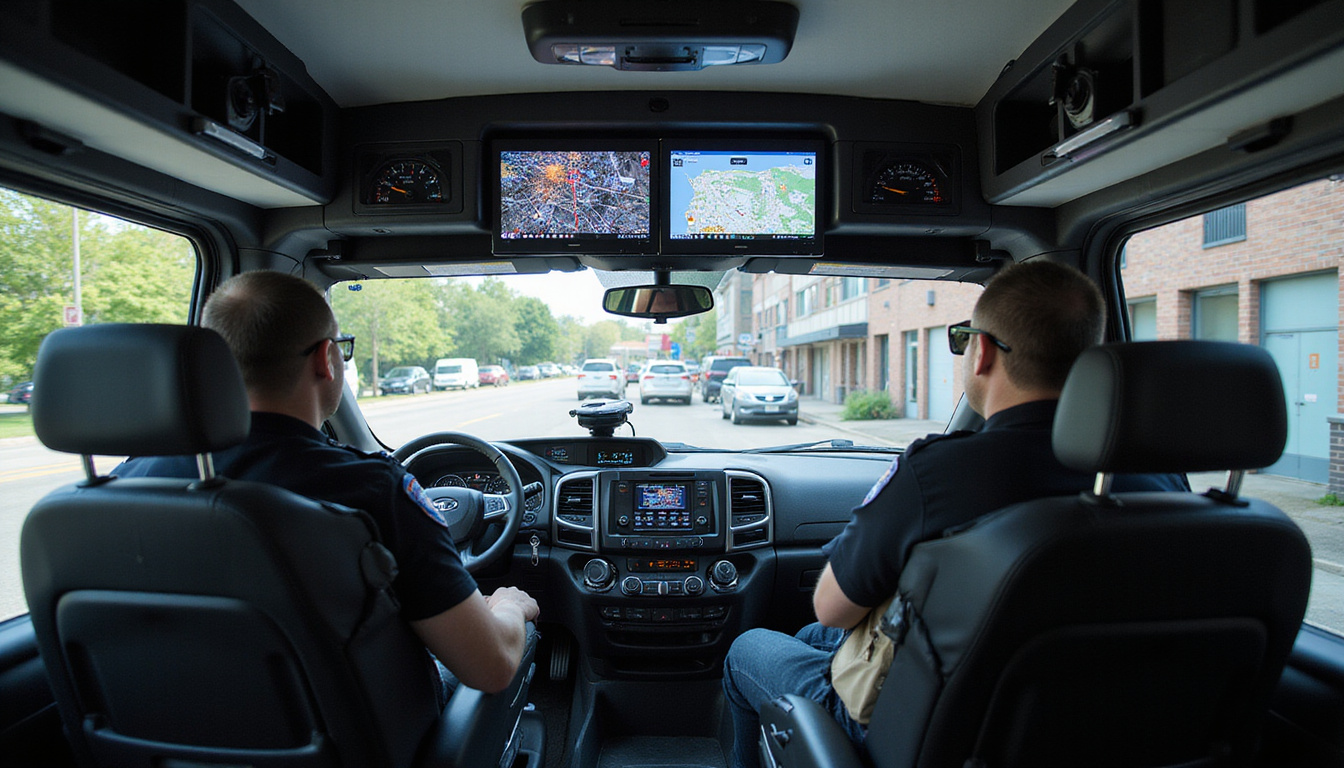
CCTV and Body-Worn Cameras
Cameras help in many ways, like:
• Recording incidents of illegal over-service or fights
• Documenting interactions during inspections or arrests
• Supporting evidence in licensing hearings and trials
Some departments review CCTV after serious events to see if staff followed safe practices for service.
Focusing on Over-Service and Intoxication, Not Just Age
Alcohol enforcement once focused mostly on underage sales.
Now, many see that over-serving—not stopping service to clearly intoxicated people—can lead to crashes, assaults, and injuries.
New Approaches to Over-Service Enforcement
New tactics now include:
• Plainclothes officers watching patrons for signs of intoxication and over-service
• Sobriety checkpoints near clusters of late-night venues
• Post-incident reviews that trace alcohol-related accidents back to the place of drinking
Licensing boards can then impose fines, demand training, or require stricter rules on venues that repeatedly serve over-intoxicated customers.
Regulating Delivery and Online Alcohol Sales
The rise of alcohol delivery and online sales now brings big enforcement challenges, notably in stopping underage access.
Third-Party Delivery Services
Enforcement targets now include:
• Drivers who do not check ID at delivery
• Retail partners that do not verify age during online orders
• Apps without strong age-check systems
Police often do controlled deliveries by ordering alcohol to a minor under supervision, to test if drivers check IDs properly.
Dark Stores and “Ghost Kitchens”
Some unlicensed sellers work only online and hide behind residential addresses or storage units.
Enforcement teams now:
• Work with tax and zoning officials to spot suspicious actions
• Use digital payment trails to find sellers
• Raid with customs or revenue officials when smuggling or tax evasion is suspected
Cross-Agency Partnerships and Task Forces
Today’s alcohol enforcement does not work alone.
Agencies form task forces that often include:
• Local and state police
• Alcohol control boards or licensing agencies
• Public health departments
• Fire and building inspectors
• Revenue or tax authorities
• Campus and university police
These groups share intelligence, conduct joint inspections covering fire safety, occupancy, and licenses, and coordinate responses to big events or recurring problems.
Community Involvement and Neighborhood Strategies
Communities now help directly with alcohol enforcement, especially in busy nightlife areas.
Community Reporting Channels
Authorities want residents, business owners, and groups to report:
• Suspected unlicensed sellers
• Bars or stores repeatedly selling to minors
• Noise, fights, or drunken behavior linked to specific venues
Some cities offer anonymous hotlines or online portals for complaints, which then guide where inspectors go next.
Responsible Beverage Service (RBS) and Voluntary Programs
Alongside enforcement, many places now support:
• RBS training for bartenders, servers, and managers
• Good neighbor agreements between venues and locals
• Awards for establishments with strong safety records
Such education and support help reduce the need for harsh penalties and build safer nightlife.
Addressing Counterfeit and Adulterated Alcohol
In some areas, authorities now work hard to stop fake and unsafe alcohol.
These problems include:
• Falsified labels on products
• Drinks diluted with industrial alcohol or dangerous additives
• Smuggled alcohol that avoids taxes and quality checks
New steps include:
• Tracking supply chains with barcodes and serial numbers
• Joint efforts with customs and border agencies
• Using field testing kits to spot methanol or other toxins
These measures help protect consumers and keep the regulated market safe.
Balancing Rights, Equity, and Public Safety
Modern alcohol enforcement must now balance fairness with public safety.
Avoiding Biased Enforcement
Agencies now check that they:
• Do not target certain racial or socioeconomic groups
• Use transparent data and documented complaints
• Treat similar violations in the same way across neighborhoods
Many groups review outcomes by race and location and then adjust tactics to avoid unfair impacts.
Transparency and Accountability
To keep public trust, authorities are now:
• Publishing enforcement numbers and inspection results
• Giving clear paths for businesses to appeal enforcement decisions
• Offering education and technical help before closing a business or taking away a license
This balance supports community safety while protecting businesses and patrons.
What Retailers and Venues Can Do to Stay Compliant
Places that sell or serve alcohol can lower risk by following modern enforcement rules.
Key Compliance Steps
- Train all staff in checking IDs, refusing sales, and spotting intoxication.
- Use technology like ID scanners in environments at high risk.
- Write policies for handling fake IDs, underage attempts, or aggressive, intoxicated patrons.
- Document incidents when service is stopped or law enforcement is called.
- Check local laws often, including rules for delivery, sale hours, and advertising.
- Work with neighbors by quickly fixing noise, litter, or disorder problems.
By keeping compliance as an ongoing practice and not a one-time check, businesses help cut community harm and avoid heavy enforcement actions.
The Future of Alcohol Enforcement
Looking ahead, alcohol enforcement will likely be:
• More digital – with more online monitoring, digital IDs, and automated age checks
• More integrated – with stronger ties between health, police, and licensing bodies
• More targeted – focusing on the few venues that cause most harm
• More preventive – stressing education, design choices (like proper lighting and transportation options), and community planning
Even as rules change, the aim stays the same: lower alcohol-related harm while allowing safe and legal alcohol use.
FAQ: Modern Alcohol Enforcement Questions
-
How does alcohol law enforcement deal with underage drinking today?
Agencies mix traditional ID checks and youth decoy operations with online monitoring and delivery stings. They check that retailers, bars, and delivery services verify age correctly. They use fines and training to boost compliance. -
What are the main alcohol control and enforcement priorities for police now?
The top tasks are to stop sales to minors, limit over-serving to intoxicated people, crack down on unlicensed or online sellers, control alcohol delivery rules, and target venues linked to violence, DUI, or neighborhood disorder. -
How is alcohol licensing and enforcement changing for delivery apps and online sellers?
Licensing agencies now demand clear age checks during checkout and delivery. They require drivers to verify IDs and maintain records. Enforcement teams test orders through apps and check complaints about deliveries to minors or intoxicated customers.
Modern alcohol enforcement is smarter, more focused, and more cooperative than before.
By uniting technology, data, and community links in every check and operation, departments help reduce harm while keeping a safe and legal alcohol market.