
If you host parties, holiday gatherings, or casual meet-ups where alcohol is served, know that social host liability matters. It links your role as a host with a guest’s actions. A guest leaves your event intoxicated, then they hurt themselves or another person, and you may face financial harm. Understand how it works and protect yourself to cut your risk.
Below you find a guide that shows what social host liability is, how it changes by state, real examples, and steps you can take before, during, and after your event.
What Is Social Host Liability?
Social host liability links you—the private host—with legal responsibility when alcohol causes harm. This rule applies to ordinary people rather than businesses. For example:
• Homeowners host a Super Bowl party.
• Parents throw a graduation celebration.
• Friends run a backyard barbecue or holiday open house.
When a guest becomes intoxicated at your event and then drives, assaults someone, or is injured, you may be held liable for damages.
Key points connect directly:
• It applies to non-commercial hosts.
• It matters most when alcohol goes to minors or clearly intoxicated adults.
• It links with accidents, falls, fights, or other alcohol-related incidents.
Social Host Liability vs. Dram Shop Laws
See how social host liability differs from other legal ideas.
Dram Shop Laws (Commercial Liability)
Dram shop laws link liability to businesses that sell or serve alcohol. They cover:
• Bars
• Restaurants
• Nightclubs
• Liquor stores
These laws hold an establishment accountable when it serves an obviously intoxicated patron or a minor and that person later causes injury or damage. Dram shop laws are common and clearly defined (source: NIAAA – Alcohol Policy Information System).
Social Host Laws (Private Individuals)
Social host laws extend a similar responsibility to private hosts. They link your action of serving alcohol in private spaces with legal risk when you:
• Provide alcohol in your home.
• Allow guests to bring and drink alcohol (BYOB).
• Overlook underage drinking.
Here the law links you to liability even when you do not sell alcohol; you only provide or allow its use.
How Social Host Liability Laws Vary by State
Social host liability changes by state. Some states have clear statutes; others rely on court decisions. In some states, the law offers little liability.
These patterns usually occur:
-
Liability for Serving Minors
• States link liability when you give alcohol to underage guests.
• You may be liable if you know that drinking happens, even if you do not hand over the drink. -
Liability for Serving Obviously Intoxicated Adults
• Some states hold you responsible for serving alcohol to guests who are clearly drunk.
• The key is: Should a reasonable person have seen the intoxication? -
Criminal vs. Civil Liability
• Criminal penalties link to fines or charges for supplying alcohol to minors.
• Civil liability links to lawsuits for injuries, medical bills, lost wages, or wrongful death.
Because details vary, check your state’s law or talk with a local lawyer if you host big or frequent gatherings.
When Can a Social Host Be Sued?
To know your risk, review when a claim typically starts.
Consider these patterns:
• Drunk Driving After a House Party
A guest, intoxicated at your event, drives and crashes. Injured people may sue you for overserving or negligence.
• Underage Drinking at Home
Teens drink at your home. A crash, fight, or fall follows. Parents or victims may sue you for allowing alcohol on your property.
• Alcohol-Fueled Assaults or Fights
A guest becomes aggressive after drinking and harms another. The injured person may claim you did not intervene correctly.
• Injuries on Your Property
Intoxicated guests fall down stairs or around the pool. In some states, linking intoxication with your service of alcohol can boost your liability.
To succeed in a suit, the claim generally shows:
- You served or allowed alcohol.
- You knew or should have known a guest was underage or intoxicated.
- The intoxication caused the harm.
Who Is Most at Risk Under Social Host Liability?
Any host might face a claim, but risk increases in some situations:
• Parents of Teenagers
Even if you think supervision makes it safe, many states show no mercy to adults who allow underage drinking at home.
• Hosts of Large Gatherings
Big parties, weddings, or reunions increase the odds someone may drink too much and drive or fight.
• Frequent Entertainers
The more you host, the higher your statistical risk—especially if heavy drinking is common at your events.
• Property Owners with Risky Features
Pools, decks, hot tubs, and multi-level homes link to more accidents when alcohol is involved.
Practical Ways to Reduce Your Social Host Liability Risk
You cannot remove all risk. Yet, you can cut it by planning ahead and hosting responsibly.
Before the Event: Plan With Safety in Mind
-
Know Your State’s Laws
• Look up the local rules on social host and underage drinking laws.
• Understand if your state links alcohol service to civil liability when minors or intoxicated adults are involved. -
Consider Insurance Coverage
• Homeowners or renters insurance often links to liability coverage should you face a claim.
• Some policies include a “host liquor liability” endorsement. Ask your agent if you plan to host large parties.
• Check that your limits cover high medical costs and lawsuits. -
Set Clear Ground Rules
• Tell guests that minors should not drink before the event.
• Let adult guests know that rideshare, designated drivers, or overnight options exist and are encouraged. -
Think About an Alcohol Plan
• Plan to offer food and non-alcoholic drinks.
• Decide ahead of time when you will stop serving alcohol. Do not leave that open-ended.
During the Event: Host Actively, Not Passively
Your role is to guide the event and cut risk by watching your guests.
Key practices link together:
• Serve Food Generously
Food slows absorption and lessens extreme intoxication. Offer full meals like sandwiches, pizza, or protein-rich appetizers rather than just chips.
• Provide Plenty of Non-Alcoholic Options
Water, soda, mocktails, or iced tea link as attractive alternatives. This makes alcohol less the only choice.
• Control the Alcohol Supply
Avoid open bars where guests pour their own strong drinks. Instead, have one responsible adult serve and monitor consumption.
• Watch for Signs of Intoxication
Look for slurred speech, unsteady steps, loud or aggressive behavior, and confusion.
When a guest shows signs, stop serving them and help switch their drink to water, food, or coffee.
• Handle Underage Guests Carefully
Do not serve alcohol to minors.
Do not allow them to drink alcohol they bring or get from others.
When teens are present, stick close by and limit their access to drinks.
• Encourage Safe Transportation
Have a safe plan:
- Offer calls for rideshare or taxi.
- Put a designated driver system in place.
- Allow impaired guests to stay overnight.
Intervene if a guest plans to drive while impaired.
After the Event: Follow Through on Safety
Your duty carries on as your guests leave.
• Double-Check High-Risk Guests
If someone was very drunk, check that they are not driving. Help arrange a ride or a place to stay.
• Manage Clean-Up Carefully
Remove unfinished drinks quickly. This is extra important if minors or unexpected guests stay nearby.
Secure leftover alcohol to cut unsupervised access.
• Document Major Incidents
If a fight, injury, or serious intoxication happened, write down the details with time and date.
Take photos of any property damage.
If injuries are severe or you see criminal behavior, call the authorities.
This record links to your defense if legal issues arise.
Special Focus: Social Host Liability and Underage Drinking
When minors join your event, the link to liability grows even tighter.
Why Serving Minors Is So Risky
• Many states hold a zero-tolerance view for serving alcohol to anyone under 21.
• Liability attaches even if a minor’s parents have given consent.
• Simply allowing underage drinking at your home can link to penalties.
Consequences fall into these links:
• Fines and criminal charges
• Civil lawsuits for injuries or wrongful death
• Higher insurance costs or cancellation of your coverage
How to Protect Yourself When Teens Are Present
• Make a clear rule that no alcohol is allowed at teen gatherings.
• Stay close at your event. Do not leave teens unsupervised.
• Lock away alcohol safely during teen events.
• If a guest appears intoxicated, call their parents and do not let them go unsupervised.
Even if you believe that supervised drinking works best, your state’s rules may work against you. The legal links in these cases can be severe and change lives.
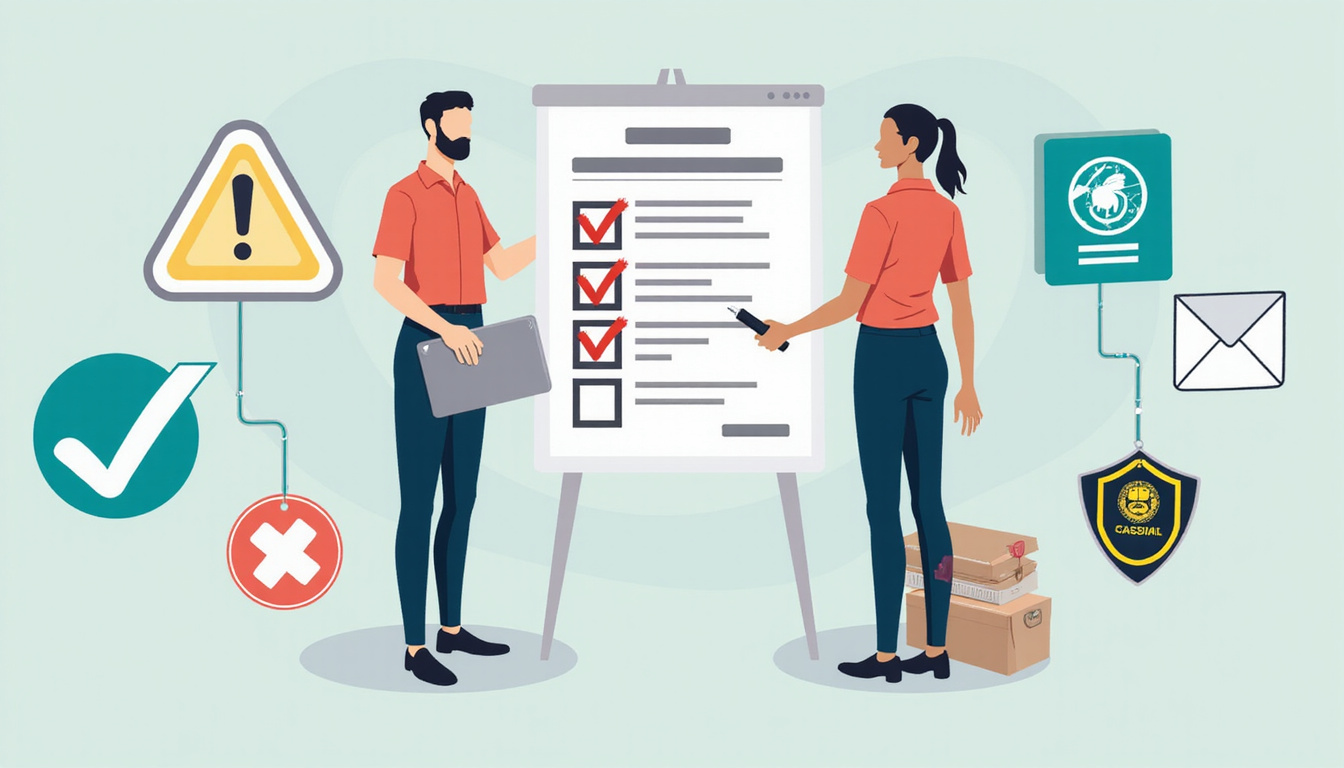
Checklist: Practical Steps to Limit Social Host Liability
Use this checklist as you plan your next event:
- Check your state’s laws on social host liability and underage drinking.
- Confirm your insurance liability coverage.
- Decide in advance:
- What alcohol to serve.
- When to stop serving.
- Who will monitor and serve drinks.
- Offer plenty of food and non-alcoholic drinks.
- Do not serve or allow alcohol to minors.
- Watch for signs of intoxication and cut off service if needed.
- Arrange safe rides or overnight options.
- Secure leftover alcohol and clean up quickly afterward.
When to Talk to a Lawyer About Social Host Liability
You might consult a lawyer if you:
• Host large gatherings often where alcohol is served.
• Plan a high-risk, one-time event like a wedding or graduation party with an open bar.
• Have already faced an incident—such as an accident, injury, or police involvement—after your event.
A local lawyer will explain how social host liability links with your state’s laws, review your situation, and help link you with your insurance if a claim arises.
FAQs About Social Host Liability and Hosting Safely
1. What is social host liability in simple terms?
Social host liability links your role as a private host with legal responsibility. If a guest becomes intoxicated and later causes injury or damage, you may be financially liable. This link holds even if you did not sell alcohol.
2. Can I be held liable if I don’t directly serve the alcohol?
Yes. In some places, the law creates a link between your actions and liability even if you do not hand someone a drink. If you allow open access to alcohol or ignore signs of intoxication, you may still be held responsible.
3. How does social host liability apply when minors are involved?
The law links strict rules when minors drink at your event. Many states impose civil and criminal penalties on adults who provide or allow alcohol to someone under 21. If an underage guest is harmed or harms another, the law may hold you to account, regardless of your intent.
Understanding social host liability does not mean you cannot host a fun event. It simply means you plan ahead, watch alcohol use closely, protect minors, and make safe transportation options clear. By linking these precautions with your event, you can host warmly and reduce legal risks for you and your guests.