BLOG

BLOG
Becoming a responsible alcohol vendor means you follow the law and protect your customers. You serve alcohol well. You build trust. You boost your sales. In this article, we explain how to be a responsible vendor and list benefits for your business.
Understanding the Role of a Responsible Alcohol Vendor
A responsible alcohol vendor sells drinks. The vendor checks ages. The vendor stops serving very drunk people. The vendor shows care. Every word links: vendor → law, vendor → safety, vendor → trust. You become a gatekeeper. You help customers drink safely. You help your community by reducing harm.
The Benefits of Being a Responsible Alcohol Vendor
Using responsible practices helps you in many ways. For example, you can:
- Enhance your reputation. Customers return when they see care.
- Lower legal risks. Following rules stops fines or license loss.
- Create safer spaces. You stop underage drinking.
- Attract thoughtful customers. Many choose safe places.
- Boost long-term profits. Loyal customers help your growth.
Key Steps to Become a Responsible Alcohol Vendor
1. Understand and Comply with Local Alcohol Laws
Local laws guide sales. Learn age limits, licenses, sale times, and fines. Many laws need staff training too.
Tip: Attend local seminars. Check your authority’s resources. Stay current.
2. Train Your Staff Thoroughly
Your staff serve as first-line sellers. They check IDs. They spot intoxication. They learn to say “no” firmly, yet politely. They handle hard moments calmly. They understand law breaks. Accredited training boosts skills and shows care.
3. Implement Strict ID Verification Policies
Prevent underage sales. Use real IDs. Use electronic scanners if allowed. Train the team to ask for IDs soon and clearly.
4. Monitor Customer Consumption
Watch all customers. Look for slurred speech and clumsy moves. Refuse service when needed. This action helps stop accidents.
5. Encourage Safe Drinking Practices
Offer water and soft drinks. Serve food along drinks. Limit specials that spur heavy drinking. Share safe limits. Help your customers drink in a smart way.

6. Establish Clear Policies and Communication
Place signs that say your rules. Make your team share your policies. Clear words set right ideas.
7. Prepare for Emergencies
Plan for tough cases. Have steps for when a customer drinks too much. Arrange safe rides or call security. Train staff to act calmly and well.
How Responsible Alcohol Vending Boosts Your Business
You follow these steps. Your customers see real care. They trust you more. They write good reviews. They come back and tell friends. You avoid fines and legal issues. Your money and image stay safe. Your business grows and your community is safer.
Tips to Market Your Business as a Responsible Alcohol Vendor
Show that you care. For example:
- Display staff training info on your website and social posts.
- Show certificates. Share links to your responsible service groups.
- Share real stories about safe service.
- Join community events on health and safety.
- Offer deals on soft drinks or safe drinking nights.
These steps make your business stand out. They attract customers who value truth and care.
Checklist: Becoming a Responsible Alcohol Vendor
Here is a quick list of actions:
- Learn local alcohol laws.
- Get and keep all needed licenses.
- Train staff on safe alcohol service.
- Use strict age checks.
- Watch customers for intoxication.
- Refuse service to those who are drunk or underage.
- Offer food, water, and safe drink options.
- Make your policies clear.
- Plan for emergencies.
- Share your commitment with customers.
Frequently Asked Questions
What is a responsible alcohol vendor?
A responsible vendor sells alcohol while following the law. The vendor checks ages, stops serving very drunk people, and talks about safe drinking.
How can I train my staff to be responsible alcohol vendors?
Train them well. They must learn the law, check IDs, spot drunkenness, say “no” when needed, and manage conflicts. Good training shows care and keeps you safe.
Why is it important to be a responsible alcohol vendor?
Safe service stops legal fines, keeps customers safe, builds trust, and grows your business. It helps the community, too.
Conclusion
Becoming a responsible alcohol vendor is smart. You follow the law and care for customers. You train your team and check IDs. You watch drinking and speak about safety. You set your business apart with trust and care. Loyal customers, fewer legal issues, and a safer community can be yours.
For more guidance on safe alcohol sales, check the resources from the Alcohol and Tobacco Tax and Trade Bureau or local licensing authorities. Begin these steps today for a healthier and more profitable business tomorrow.
BLOG
In the hospitality and retail industries, responsible beverage sales training is a key part of keeping legal compliance and customer safety intact. If you manage a bar, restaurant, or liquor store, proper training helps your staff learn to serve alcohol responsibly. They learn to spot intoxication signs and to refuse service to underage patrons. This article shows key strategies that let businesses create safer spaces and avoid costly problems.
Why Responsible Beverage Sales Training Matters
Responsible beverage sales training goes beyond a legal rule. It builds a clear link to public safety and ethical choices. Alcohol misuse leads to accidents, legal troubles, and a stained business reputation. Training gives employees the skill and clear steps to:
- Identify patrons who are underage and refuse a sale
- Notice signs when a customer is intoxicated and act with care
- Follow legal rules and understand the penalties for breaking them
- Build a workplace that values safe alcohol use
Good training cuts down on alcohol-related mishaps and builds trust with customers and the community.
Key Components of Responsible Beverage Sales Training
A strong training program covers topics that let employees handle real-life scenes. Here are the main points:
1. Understanding Legal Regulations
Employees need to learn the law for alcohol sales in their area. They should know the minimum drinking age, the legal hours to sell, and the rule that bans sales to visibly intoxicated people. Laws change often, so sessions must update regularly.
2. Checking Identification
Checking IDs is a key step in responsible sales. Training shows how to spot fake IDs and use the right steps for checking. Employees gain the confidence to refuse a sale if the age cannot be confirmed.
3. Recognizing Signs of Intoxication
Staff need clear cues to see if a customer is intoxicated. Signs include slurred speech, poor balance, or aggressive moves. Training gives them simple steps to calm the situation—like offering water, calling a ride, or asking a manager for help.
4. Handling Difficult Situations
Employees must deal with upset customers with calm and clear words. Role-play exercises help them practice these simple skills and secure a safe outcome.
Best Practices for Implementing Training Programs
Training must be a steady part of your business, not just a one-off event. Try these best practices to make your training work better:
1. Make Training Mandatory for All Staff
Every worker who meets customers or handles alcohol should do the training before their first shift. This rule covers servers, bartenders, and cashiers.
2. Use Interactive Learning Methods
Mix videos, quizzes, and role-play to keep training active and clear. Interactive lessons help ideas stick better than long lectures.
3. Provide Regular Refresher Sessions
Regular sessions keep staff aware of new laws and help sharpen skills. This routine keeps service standards high.
4. Monitor and Evaluate Staff Performance
Supervisors should watch how staff act with customers and give simple, clear feedback. By tracking events and rule-following, you can spot the need for more training soon.
Utilizing Technology in Responsible Beverage Sales Training
Digital tools now make training easier and more flexible. With online courses, mobile apps, and certificate programs, businesses can train staff anywhere and anytime. These tools update legal points fast and track when training finishes. The National Restaurant Association says that using technology can boost memory retention and keep standards the same across all outlets.
Checklist: How to Launch a Responsible Beverage Sales Training Program
Starting a training program can seem hard. Follow this checklist to keep the steps clear:
- Look at your current training and legal needs.
- Choose or build a training plan that covers key topics.
- Pick delivery methods (in-person, online, or a mix).
- Set up initial sessions for all key staff.
- Decide how you will check training completion and give certificates.
- Plan regular update courses.
- Watch staff performance and fix gaps fast.
- Get feedback to improve the training further.
Frequently Asked Questions (FAQs)
Q1: What is responsible beverage sales training?
A1: It is a course that teaches staff the legal parts of selling alcohol. It shows how to spot intoxication, check IDs, and guide safe drinking methods.
Q2: How often should this training happen?
A2: Training starts before the employee serves alcohol. Then, it must repeat every 6 to 12 months or after any law change.
Q3: Can this training lower legal risks?
A3: Yes. Good training stops illegal sales, lowers accident risks, and helps protect the business from fines by keeping employees compliant.
Responsible beverage sales training is a smart investment in your business’s legal and ethical strength. With clear strategies and steady learning, you create a safer place for customers and staff alike. With proper steps, your team can confidently manage alcohol sales and make a positive impact in your community.
BLOG
Alcohol retail training is key for any business selling alcohol. Whether you run a corner store, a large supermarket, or a bar, training helps staff boost sales and follow the law. This article uses simple linked words to explain alcohol retail training so your business can grow safely and avoid penalties.
Why Alcohol Retail Training Is Crucial
Selling alcohol brings heavy duties. Without solid training, staff might serve minors, over-serve customers, or break licensing laws. Such mistakes lead to fines, lost licenses, and a damaged reputation. Trained employees keep communities safe, build a professional shopping scene, and raise customer trust and sales.
Knowing early how important alcohol retail training is lets retailers follow rules and use the best practices.
Core Components of Effective Alcohol Retail Training
A good training program covers these areas:
1. Understanding the Legal Framework
Staff need to know local alcohol laws. This means knowing:
- The minimum drinking age.
- Sales restrictions and closed hours.
- How to check IDs.
- The penalties for breaking the law.
These rules are the base for safe alcohol sales.
2. Identifying Fake IDs and Verification Techniques
Retail workers must spot fake IDs well. Training shows them how to:
- Check IDs for holograms, lamination, and clear fonts.
- Use ID scanning tools if available.
- Ask for IDs with politeness and confidence.
This simple step stops underage sales.
3. Responsible Service and Customer Interaction
Training tells staff how to handle:
- Sales to customers who are too drunk.
- Customers who act aggressive.
- Sharing alternatives and promoting safe drinking.
Better social skills protect both staff and customers.
4. Upselling Techniques to Boost Sales
Training also shows how to grow sales smartly:
- Suggest related items such as mixers, snacks, or glassware.
- Explain different alcohol choices.
- Share special offers and loyalty benefits.
This balanced approach helps both safety and profit.
Benefits of Investing in Alcohol Retail Training
Companies spending on training see many gains:
- • Legal problems decrease when staff follow rules.
- • Customers feel good with skilled and polite staff.
- • Sales rise when staff recommend extra items.
- • A strong reputation builds loyalty and trust.
Implementing an Alcohol Retail Training Program
Follow these steps to build a training program:
- Assess Your Needs: Find the gaps and know local legal demands.
- Choose or Develop Training Materials: Use certified courses or consult experts.
- Schedule Training Sessions: Arrange frequent sessions for updates.
- Incorporate Practical Scenarios: Use role-playing and real cases to aid learning.
- Evaluate and Certify: Test staff and provide certificates when they pass.
- Monitor and Refresh: Keep reviewing and re-training regularly.
Technology’s Role in Alcohol Retail Training
Technology makes training easier:
- • E-learning platforms deliver on-demand lessons.
- • Interactive quizzes and videos make learning fun.
- • Digital scanners help check IDs at the sales point.
- • Tracking software keeps records of staff certificates.
Combining these tools means better compliance and easier learning.
Frequently Asked Questions About Alcohol Retail Training
Q1: What is the typical duration of alcohol retail training?
A1: Training can last a few hours to a full day. The time depends on how deep the course is.
Q2: Is alcohol retail training legally mandatory?
A2: It depends on your region. Some places require training by law, while others see it as good practice. Check your local rules.
Q3: Can alcohol retail training decrease the risk of losing your license?
A3: Yes. When staff are properly trained, they reduce the chance of breaking rules and losing licenses.
Conclusion
Alcohol retail training is more than a law requirement. It is a smart investment that protects your business and boosts profits. With good training, staff sell responsibly, serve confidently, and meet legal rules. These factors raise sales and keep your license safe. For more advice on compliance and best practices, refer to government liquor boards or certified training providers. Start your training program today to support safe and successful sales.
BLOG
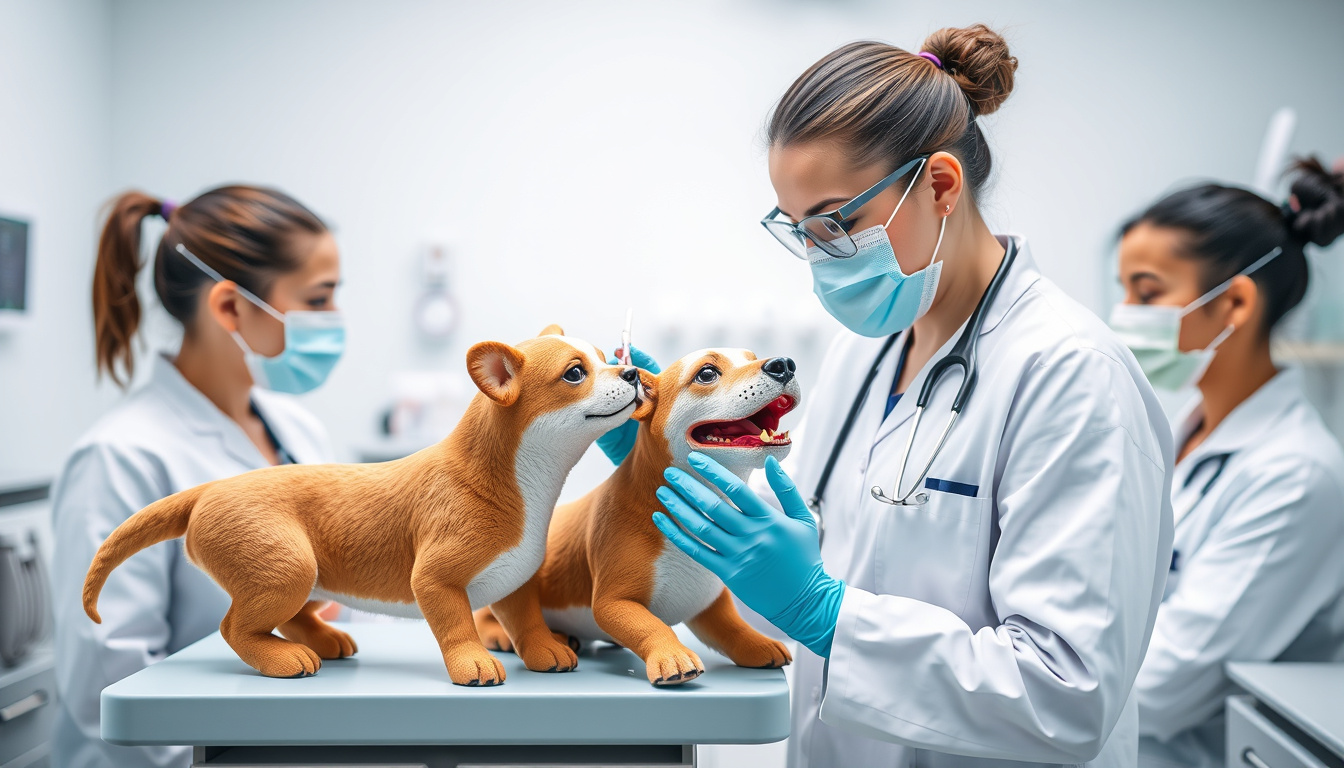
Veterinary technicians must keep their credentials current. They must renew them to work legally. One key step is to complete the LSB-RVT renewal course. Whether you are new or an expert, you must know the course rules. This guide gives you clear tips to renew your license with ease.
Understanding the LSB-RVT Renewal Course
The LSB-RVT renewal course is required for registered veterinary technicians (RVTs) in Louisiana. The Louisiana State Board of Veterinary Medicine (LSBVM) sets this rule. The course gives you new information about veterinary methods, rules, and advances.
An active license lets you work with animals. The course keeps you informed about new medical facts, ethical duties, and legal rules.
Why Is the LSB-RVT Renewal Course Important?
• It keeps your veterinary skills current.
• It tells you about changes in state rules.
• It helps you stay competent and ethical.
• It meets your continuing education needs.
Key Requirements for the LSB-RVT Renewal Course
Before you start, learn the rules set by the LSBVM. Here are some important points:
• Renewal Period: RVT licenses must be renewed every two years.
• Continuing Education Hours: You need about 12 hours of continuing education (CE) each cycle.
• Course Content: The course covers clinical skills, medication use, ethics, and legal duties.
• Approved Providers: Only courses approved by the LSBVM or trusted groups count.
Always visit the LSBVM website for the latest rules to avoid surprises.
Tips for Successfully Completing the LSB-RVT Renewal Course
The renewal course may seem hard when you have many other duties. Use these tips to succeed:
1. Plan Ahead and Track Your CE Hours
Start early. Gather CE credits before your license expires. Keep a simple log or use digital tools to record your courses. This plan makes sure you meet the LSBVM rules.
2. Choose Courses Relevant to Your Practice
Pick courses that match your work. If you care for small animals, choose courses on small animal medicine or surgery. This choice makes learning relevant and useful.
3. Use Online and In-Person Learning Options
LSB-RVT courses come in online and in-person styles. Online courses let you learn at your own pace. In-person classes offer hands-on practice and help you meet other professionals.
4. Verify Course Approval Status
Before you sign up, check that the course and its provider are approved by the LSBVM. This step stops you from wasting time and money on unaccepted courses.
5. Keep Documentation for Your Records
Keep every certificate and transcript you get. The board may ask for proof during audits or when you apply for license renewal.
Recommended Topics to Focus on in the LSB-RVT Renewal Course
Veterinary methods change quickly. Look for topics that go beyond the minimum rules. These topics may help you improve your skills:
• Pain management in animals
• New methods in anesthesia and monitoring
• Preventing and controlling infections
• Better ways to talk with animal owners
• New updates in pharmacy
• Emergency and critical care actions
These topics let you improve your skills and offer the best care for your animal patients.
Step-by-Step Guide to Renew Your RVT License with the LSB-RVT Renewal Course
Follow these steps to meet your renewal rules:
- Review your renewal notice. Look at deadlines and CE rules.
- Find approved courses by the LSBVM that fit your field.
- Finish the required number of CE hours before your license ends.
- Save all certificates and proofs of completion.
- Submit your renewal application online or by mail as stated.
- Pay the renewal fees as required.
- Wait for your renewed license confirmation.
Following these steps carefully will help you keep your license active.
Frequently Asked Questions about the LSB-RVT Renewal Course
1. How many continuing education hours are required for the LSB-RVT renewal course?
You need at least 12 hours of CE every two years, as approved by the LSBVM.
2. Can I complete the LSB-RVT renewal course online?
Yes, many approved providers offer online courses that count for the LSB-RVT renewal.
3. What happens if I don’t complete the required LSB-RVT renewal course on time?
If you miss the deadline, your license may expire. You could face fines or have to start over. It is best to complete your CE hours on time.
Conclusion
The LSB-RVT renewal course is key to keeping your veterinary technician license active in Louisiana. When you know the rules, plan ahead, and choose the right courses, you can make the renewal process smooth and stress-free. Meeting your continuing education needs not only keeps you legal but also boosts your skills and helps your career grow.
For the latest renewal information, visit the official Louisiana State Board of Veterinary Medicine website. Keeping up with the LSB-RVT renewal course lets you give the best care to your animal patients and grow professionally.
BLOG
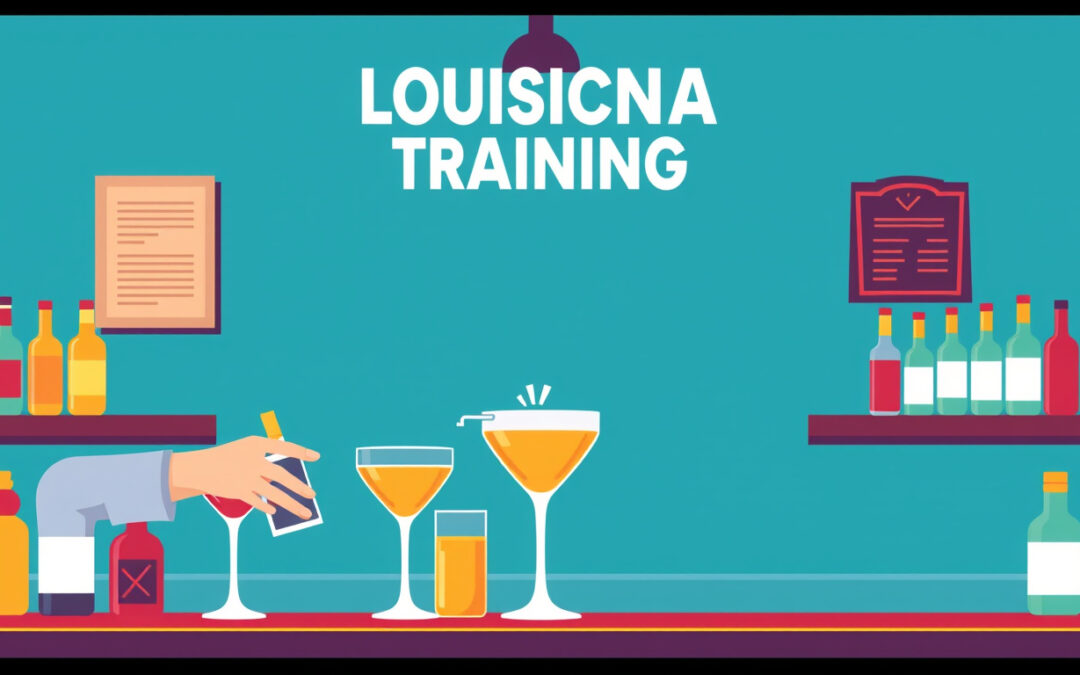
In Louisiana, working as a server or bartender goes beyond mixing drinks and taking orders. You must know how to serve alcohol safely and legally. Louisiana alcohol server training courses build the skills you need. These courses help you keep your patrons safe, stop alcohol-related problems, and meet state law. Whether you are new or need a refresher, these tips help you serve well and protect everyone.
Understanding the Importance of Alcohol Server Training Louisiana
Alcohol server training in Louisiana is more than a rule. It builds a safe and responsible work setting. Louisiana law makes some servers take state-approved training. The training helps you spot intoxication, stop underage drinking, and learn about legal issues.
The law gives bars and restaurants a duty. They must train their staff to lower the risks of alcohol misuse. Finishing a training course shows that you meet legal rules and helps your business avoid fines or lawsuits.
What You Learn in Alcohol Server Training Louisiana
A good training course covers many topics. These lessons let you make smart choices during busy service times. You learn:
• Legal duties and penalties. You get Louisiana’s rules and the costs of over-serving or serving minors.
• How to check IDs. You learn ways to spot proper government-issued cards.
• Signs of intoxication. You see what behaviors signal that a customer has had too much.
• Refusal techniques. You learn to say “no” kindly and clearly when needed.
• Handling tough situations. You get steps for calming conflicts.
• Safe transport ideas. You encourage taxis, rideshares, or drivers to prevent accidents.
These subjects form the base for safe and legal alcohol service.
Essential Tips for Compliance in Louisiana Bars and Restaurants
Keep these tips in mind so that you can follow the rules and serve safely:
-
Complete an Approved Alcohol Server Training Course
Choose a training provider recognized by the state. These courses give you a certification that many employers need.
-
Stay Updated on Local and State Laws
Since rules can change, check the Louisiana Office of Alcohol and Tobacco Control (ATC) or Louisiana Revised Statutes for updates.
-
Practice Consistent ID Checking
Always check IDs for those who look under 30. Use clear light and look for a driver’s license or passport.
-
Know Your Limits in Serving Alcohol
Never serve too many drinks. Stop service if a guest shows signs of impairment.
-
Document Refusals of Service
Write down when you refuse service and why. A record can protect your establishment.
-
Communicate Clearly with Customers
Speak politely but firmly about the rules for serving alcohol.
-
Encourage Safe Transportation
Suggest taxis or rideshare services, or help arrange a designated driver.
By using these practices, you help protect yourself, your employer, and your community.
Benefits of Completing Alcohol Server Training Louisiana
The training brings benefits beyond legal checks. Benefits include:
• Reduced liability. Complete training lowers the risks of legal trouble.
• Enhanced safety. You learn to spot and manage intoxicated or underage guests.
• Better customer service. You gain skills to handle hard situations with calm and clarity.
• Strong business reputation. Responsible service builds trust and return customers.
• Career advancement. Certification adds value to your profile in hospitality.
For employers, these gains offer safer venues and fewer legal challenges.
How to Choose the Right Alcohol Server Training Course in Louisiana
All training courses are not the same. When picking a course, check that it:
• Has State Recognition – It must be approved by Louisiana’s Alcohol and Tobacco Control (ATC).
• Offers a Suitable Course Format – Find one that is online, in-person, or hybrid as you prefer.
• Has a Comprehensive Curriculum – It should talk about legal issues, how to check IDs, signs of intoxication, and refusal tactics.
• Provides Certification – You want a course that gives you a valid certificate in Louisiana.
• Fits Your Budget and Schedule – Many courses can be finished in just a few hours.
A quality course meets what your employer and the state expect.
Steps to Get Started with Alcohol Server Training Louisiana
If you are new to alcohol service or must meet rules, follow these steps:
-
Research Accredited Training Providers
Check the Louisiana ATC website or reliable hospitality groups.
-
Enroll in a Course
Pick a provider and course format that fits your time and money.
-
Complete the Training Modules
Focus on learning key ideas and practical actions.
-
Pass the Final Assessment
Most courses test you to make sure you understand the topics.
-
Obtain Your Certificate
This shows your employer that you meet the law.
-
Keep Your Certification Updated
Some courses need renewal or extra study over time.
Following these steps helps you serve alcohol safely and legally.
FAQ: Alcohol Server Training Louisiana
Q1: Is alcohol server training in Louisiana mandatory?
A1: Yes. Louisiana requires those who serve alcohol to finish a state-approved training course.
Q2: How often do I need to renew my alcohol server training certification in Louisiana?
A2: Renewal rules depend on the provider, but generally you must renew every three years.
Q3: Can I complete alcohol server training Louisiana online?
A3: Yes. Many state-approved providers offer online alcohol server training courses.
Conclusion
Alcohol server training Louisiana is a key part of working in hospitality in the state. Knowing your legal duties, spotting over-intoxication, and following best practices keeps your work safe and fair. These tips help you serve with confidence and care. Invest in quality alcohol server training and support Louisiana’s promise of safe alcohol service.
For more information on alcohol server training rules in Louisiana, visit the Louisiana Office of Alcohol and Tobacco Control website (source).
BLOG
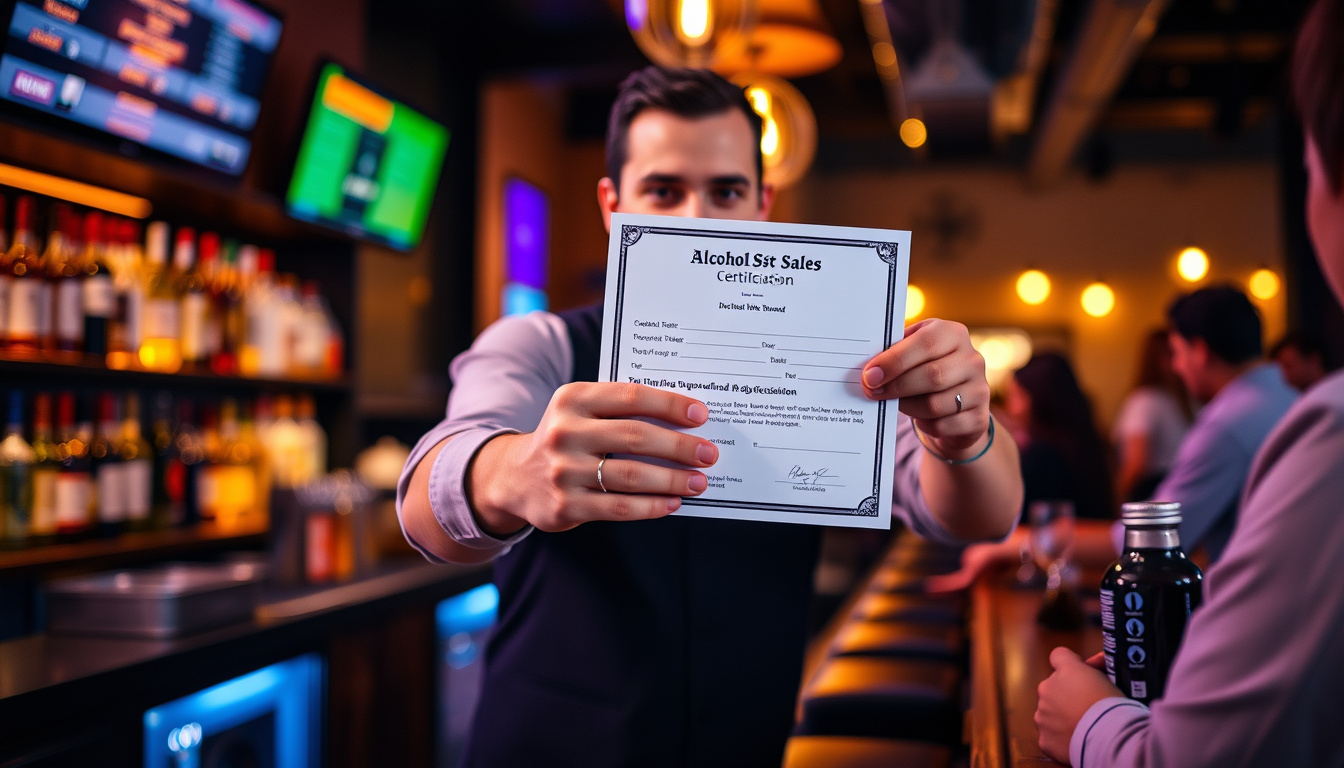
In today’s competitive market, businesses need alcohol sales certification. This certification lets you sell drinks legally and safely. Bars, liquor stores, and restaurants must get it to follow local rules. This guide explains what certification means, why it matters, and how to earn it so your business can grow.
What Is Alcohol Sales Certification?
Alcohol sales certification is the official nod that you may sell alcoholic drinks. It depends on where you work and what type of sale you do. Some sell drinks on-site, while others serve them off-site.
The certification needs you to finish a training course. The course shows you how to check IDs, spot intoxication, block sales to minors, and follow the law.
Why Is Alcohol Sales Certification Important?
Getting certification builds a strong business base. It shows you obey the law, lowers risk, and builds trust with customers. Here’s how:
- Legal Compliance: States often require permits and certified staff. Not following the law can bring fines, license loss, or closure.
- Promotes Responsible Service: Training helps your team serve drinks with care and reduces over-serving.
- Enhances Reputation: Customers trust places that serve alcohol safely.
- Reduces Liability: Certification shows you took steps to train staff and keep customers safe.
For instance, the National Institute on Alcohol Abuse and Alcoholism (NIAAA) notes that training programs lower alcohol-related harms and help create safer spaces.
How to Obtain Alcohol Sales Certification: Step-by-Step Process
The process can change by state or country. But the steps stay similar:
1. Determine Your State or Local Requirements
Check with your state’s Alcohol Beverage Control board or local authority. They show you what licenses and certifications you need.
2. Enroll in a Certified Alcohol Sales Training Program
Many places require staff to finish a training course. The program may happen online or in person. It covers how to:
• Check IDs and verify age
• Spot intoxicated customers
• Handle difficult situations
Popular courses include TIPS (Training for Intervention Procedures) and ServeSafe Alcohol.
3. Complete the Training Course
In the course, you learn the key parts of safe alcohol service. When done, you get a certificate that proves your skills.
4. Submit Necessary Documentation
Send all required documents to your local licensing office. This may include your certification, business license, and permit forms.
5. Maintain Your Certification
You may need to renew your certification and take refresher courses. This keeps you up to date with changing laws.
Types of Certifications and Permits for Alcohol Sales
Many permits and certifications exist. They help structure your business:
- Alcohol Seller/Server Certification: For individuals who sell or serve drinks.
- Retail Alcohol License: For shops selling alcohol.
- On-Premise License: For bars and restaurants where people drink on-site.
- Off-Premise License: For stores that sell alcohol to use elsewhere.
- Manufacturer or Distributor Licenses: For those who make or deliver drinks.
Each type has clear rules and requirements.
Best Practices for Maintaining Compliance and Success
After you have certification, keep your business safe by:
- Regular Staff Training: Refresh training to stay sharp.
- Strict ID Checking Policy: Always check IDs to verify age.
- Monitor Patrons: Teach staff to spot intoxication.
- Maintain Records: Keep all licenses and certificates in reach.
- Engage with Local Authorities: Stay informed of law updates.
Frequently Asked Questions About Alcohol Sales Certification
Q1: How long does alcohol sales certification last?
A: The length can change by state. It usually lasts 1 to 3 years. You may need refresher courses.
Q2: Is certification required for all employees who sell alcohol?
A: Typically, only those who sell or serve alcohol must have it. Check local rules to know who qualifies.
Q3: Can alcohol sales certification be completed online?
A: Yes, many states offer online courses. Just make sure the program is approved by your state’s authority.
Conclusion
Alcohol sales certification is a key step for any business that sells alcohol. It shows you work safely and legally. By knowing the rules, finishing training, and keeping up with renewals, you protect your business and your customers. This certification is not just a duty—it boosts your brand and safety standards. Start your certification today and set your business on the path to long-lasting success.