
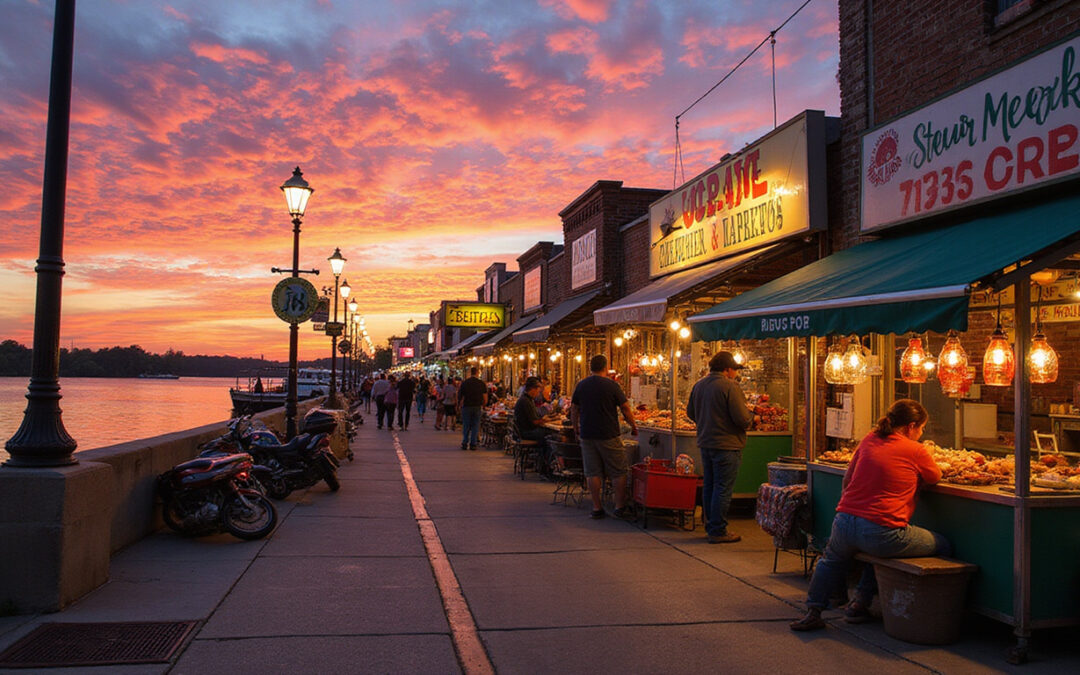
Baton Rouge beats with hunger. Locals eat well, speak loud, and sip one more drink. They do this even when others already left. If you visit or are new in town, this guide shows you where locals eat, drink, and explore. It is not for tourists only; it gives you the true local flavor.
Understanding Baton Rouge’s Food Culture
Food here grows from strong roots. These roots drive every dish:
• Cajun and Creole roots – They boost gumbo, étouffée, and boudin.
• River city influence – Gulf seafood flows here.
• College-town energy – LSU and Southern University light up the bar and brunch scene.
• Old South meets new South – Plate lunches and poboys sit next to craft cocktails and tasting menus.
Locals start many dishes with the “holy trinity”: onions, celery, and bell pepper sautéed in butter or oil.
Classic Baton Rouge Spots Locals Swear By
Here are names locals repeat when you ask, “Where should I eat?”
Parrain’s Seafood Restaurant
Locals value Parrain’s for seafood. The place stays casual, loud, and busy.
• What to order: Chargrilled oysters, fried catfish, crawfish étouffée, or any daily fish special.
• Why locals love it: They get steady quality and generous portions. It fills both visitors and picky eaters.
The Chimes (Near LSU)
The Chimes is a rite of passage for LSU students. It stays a nostalgic hangout for alumni too.
• What to order: Red beans and rice, poboys, seafood platters, and boudin balls.
• Vibe: The space feels casual and noisy. Days of LSU games fill the room with cheers, legal beers, and post‑exam meals.
Juban’s
Juban’s gives a polished and festive feel. The Creole fine‑dining here feels iconic.
• What to order: Hallelujah crab (stuffed and fried soft‑shell crab), turtle soup, or a Gulf seafood entrée.
• Why it matters: Locals make deals here, celebrate anniversaries, and return generation after generation.
Where Locals Grab Cajun & Creole Comfort Food
Baton Rouge lives on Cajun and Creole traditions. Spots here capture that warm, home‑style taste.
Beausoleil Coastal Cuisine
This modern place elevates Gulf Coast flavors.
• Highlights: Shrimp and grits, Gulf fish dishes, and creative small plates.
• Good for: A relaxed and classy date night.
Louisiana Lagniappe
Originally from Destin, this spot now charms Baton Rouge seafood lovers.
• Try: Grouper dishes, butter-rich fish, and seafood pastas.
• Expect: A white‑tablecloth feel with a true Louisiana menu.
Rice & Roux and Local Plate‑Lunch Joints
Local plate‑lunch counters dot the city. They serve hot, cheap local fare.
Daily specials might run as follows:
• Mondays: Red beans and rice
• Wednesdays: Chicken and sausage gumbo
• Fridays: Fried catfish or shrimp
Here, construction workers, office folks, and retirees share the same comfort food.
Poboys, Burgers, and Everyday Eats
Every local needs a steady poboy or burger spot.
Rocco’s New Orleans Style Poboys
Rocco’s is a longtime favorite for overstuffed sandwiches.
• Order: Shrimp poboy, roast beef poboy with debris gravy, or a half‑and‑half (shrimp and oyster).
• Pro tip: Ask how they dress their poboys. “Fully dressed” means lettuce, tomato, pickles, and mayo.
Zeeland Street Market & Other Cafés
Small cafés and delis serve daily specials, sandwiches, and salads. Look for chalkboard menus and short lunch lines.
Baton Rouge Brunch: Where the Weekends Happen
Brunch is fierce here. The best spots often see long waits when LSU is in session.
Elsie’s Plate & Pie
Part pie shop, part Southern comfort kitchen, this joint excels at brunch.
• For brunch: Boudin breakfast bakes, hash skillets, and savory pies crowned with eggs.
• Don’t skip: A to‑go slice of pie—lemon icebox, chocolate, or seasonal flavors.
Kolache Kitchen
A quick, casual breakfast fits well here.
• What they do: They fill Czech‑style kolaches with sausage, cheese, eggs, or boudin, and they serve breakfast tacos.
• Why it’s loved: It is fast, cheap, and friendly for students.
Rooftop or Patio Brunch Spots
Several newer spots offer fresh settings:
• Bottomless mimosas or creative brunch cocktails
• Shrimp and grits, chicken and waffles, and brioche French toast
• Outdoor seating that fills as the weather cools
Ask local friends for what is hot; brunch trends shift fast.
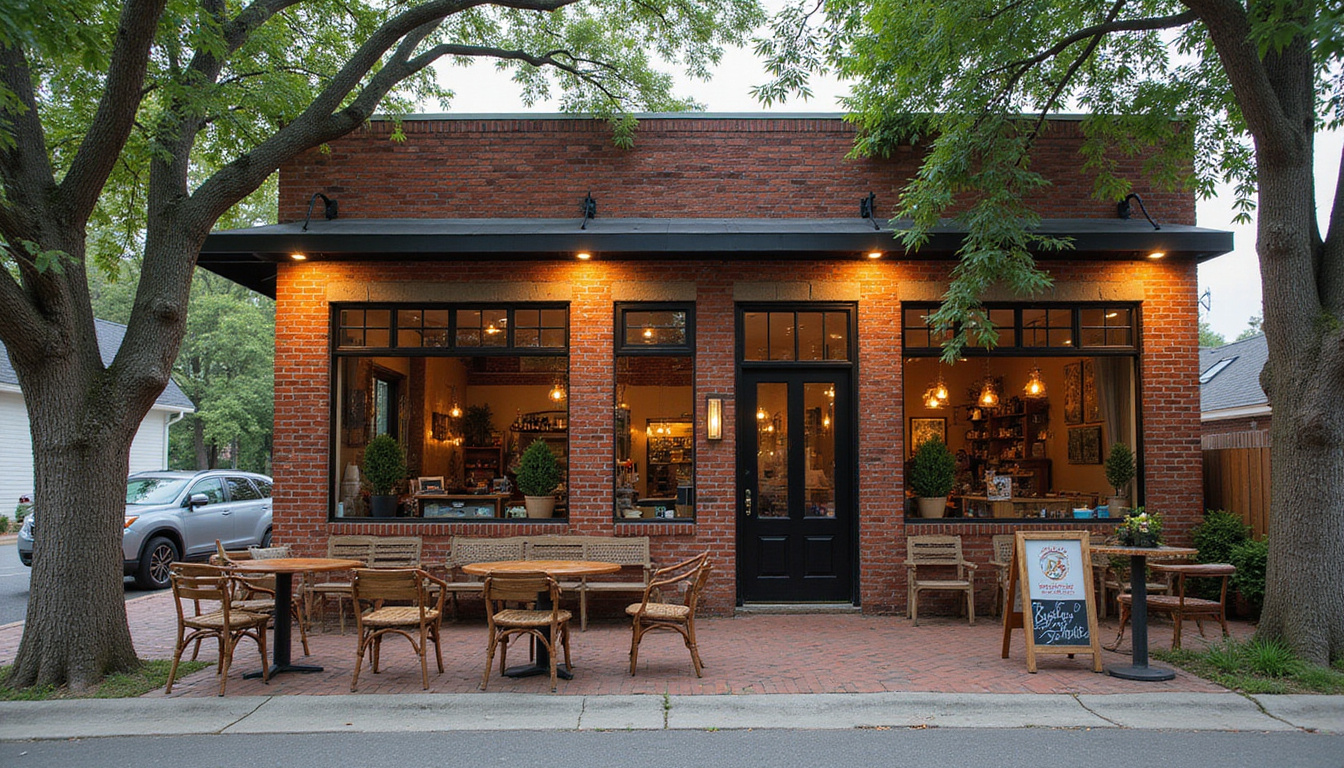
Coffee Shops and Study Spots Locals Depend On
Between LSU, Southern University, and remote‑workers, Baton Rouge brews a strong coffee scene.
Local Favorites Typically Offer
• Hand‑crafted espresso drinks – lattes, cortados, and seasonal specials.
• Plenty of seating – tables for study, couches for a meeting.
• Local pastries – king cake in season, muffins, and biscuits.
These shops act as anchors in each neighborhood. They often sit beside good casual food and small creative shops.
Where to Drink: Bars, Breweries, and Nightlife
Baton Rouge is not Bourbon Street. Yet, it shines at night. The scene splits into college bars, craft cocktail lounges, and relaxed beer spots.
College Bars Around LSU
Bars on streets near LSU show:
• Cheap drinks
• Karaoke nights
• Big screens for sports
On game day, these bars swell. They are authentic to the Baton Rouge college beat.
Craft Cocktail Bars
A few spots lift the drink game high:
• Expect house‑made syrups, seasonal menus, and spins on Sazeracs or French 75s.
• The crowd comes from young professionals and people who care about their glass.
Local Breweries
Craft brewing has grown here. Taprooms typically show:
• IPAs and pale ales
• Easy‑drinking lagers for Louisiana heat
• Occasional sours and seasonal styles
Often, food trucks park outside on weekends. Breweries turn into one‑stop meeting spots.
Sweet Spots: Desserts, Bakeries, and Late‑Night Treats
Sugar is serious in Baton Rouge.
Donut and King Cake Shops
Morning shops are a ritual in many neighborhoods. They offer:
• Glazed donuts and kolaches
• Apple fritters and cinnamon rolls
• Seasonal king cakes from January to Mardi Gras
King cake feels like a full meal here. Versions run from classic cinnamon to praline‑filled, or fruit‑topped.
Ice Cream and Frozen Treats
Warm weather boosts frozen treats. Shops offer:
• Ice cream with local twists (praline or chicory coffee)
• Snoball stands in summer with many syrup choices
Exploring Baton Rouge Beyond the Plate
Food opens the door. Locals say Baton Rouge also lives in its streets, history, and river.
The LSU Campus
Even if you are not a student:
• Walk around the oak‑shaded quadrangle.
• See Tiger Stadium on a quiet day to feel its vastness.
• Check events at the LSU Museum of Art or the LSU Rural Life Museum.
On game days, campus turns into one big tailgate. Food smoke and music fill the air. It defines Baton Rouge.
Downtown & the Mississippi Riverfront
Revitalized downtown is now walkable for food and fun:
• Restaurants and bars cluster near the river.
• The Shaw Center for the Arts opens galleries, rooftops, and events.
• The USS Kidd, Veterans Museum, and Louisiana Art & Science Museum show history along the riverfront.
Evening walks on the river levee reveal a different Baton Rouge.
Mid City and Government Street
Mid City, especially along Government Street, has grown creative:
• Independent restaurants and bars appear.
• Vintage shops, art galleries, and record stores line the streets.
• Food festivals and pop‑ups mark the year.
You feel where the city grows and taste where it began.
Festivals and Events That Showcase Baton Rouge Food
Time your visit with a festival. Then you will see Baton Rouge eat with passion.
Here are common food events:
• Crawfish festivals (spring) – Boiled crawfish, live music, and beer serve the day.
• Jambalaya and gumbo cook‑offs – Teams compete. You taste many bowls.
• Boudin and sausage events – They highlight Cajun charcuterie and smokehouse work.
• Cultural festivals – Greek, Italian, and international foods show local homestyle dishes.
For dates and details, check local sites like LouisianaTravel.com.
How to Eat Like a Local in Baton Rouge
Here are unwritten local rules:
1. Respect the Holy Trinity (and the Roux)
Many stews start with a dark roux. They use onions, celery, and bell pepper. Locals judge cooks by these basics.
2. Learn the Seasonal Rhythm
• Winter brings gumbo season.
• Spring calls for boiled crawfish, festivals, and patio drinks.
• Summer serves snoballs, seafood, and light, cold treats.
• Fall welcomes tailgating, grill smoke, and hearty meals.
3. Don’t Fear the Spice (But Ask if You Need To)
Baton Rouge food has heat, yet it focuses on bold taste. Ask if a dish feels mild, medium, or hot. Staff are honest.
4. Try the Daily Specials
Plate‑lunch joints build favorites on their daily menus. Monday red beans or Friday catfish may top the week.
5. Share Plates and Try Everything
Food here is rich. Sharing plates lets you taste gumbo, fried seafood, boudin, and sides without a heavy load.
Practical Tips for Eating and Exploring Baton Rouge
A bit of planning makes the city clear:
• Transportation: Baton Rouge runs on cars. Rideshares work well at night and on game days.
• Timing: Lunch crowds peak from 11:30 a.m. to 1:00 p.m. Arrive early or late to dodge lines.
• Game days: LSU games slow traffic. Book ahead and allow extra travel time.
• Dress code: Even nicer spots stick to business‑casual. You see many in LSU gear around town.
• Tipping: Good service calls for 18–20%.
FAQ: Eating and Exploring Baton Rouge
-
What food is Baton Rouge known for?
Baton Rouge thrives on Cajun and Creole dishes like gumbo, crawfish étouffée, boudin, red beans and rice, and fried seafood. Poboys and rich Gulf Coast dishes flow alongside plate lunches. -
Is Baton Rouge a good city for food lovers?
Yes. Baton Rouge offers deep Louisiana traditions along with farm‑to‑table dishes, craft cocktails, and international options. From tailgate treats to white‑tablecloth dinners, there is food for every taste. -
Where should first‑time visitors eat in Baton Rouge?
Try a classic seafood spot like Parrain’s, a campus favorite such as The Chimes, a refined Creole restaurant like Juban’s, and a local plate‑lunch joint or poboy spot. Add a brunch stop and a local bar to feel Baton Rouge fully.
Baton Rouge feeds its people generously. It welcomes you to share its table. Whether for a weekend or a lifetime, there is always another bowl of gumbo, another poboy, and another neighborhood to discover.