
Alcohol Compliance Officer: How to Reduce Risk and Protect Your License
An effective alcohol compliance officer can save your business. This role helps you avoid a lost license. If you manage a bar, restaurant, nightclub, liquor store, or venue, compliance is key. It is not a legal box to tick. It is a way to manage risk. Violations bring fines, lost licenses, bad press, and even criminal charges. This article shows what an alcohol compliance officer does, why the role matters, and how to build a compliance plan that protects your license.
What Is an Alcohol Compliance Officer?
An alcohol compliance officer makes sure your business obeys laws, rules, and internal policies about alcohol.
Depending on your setup, this role can be:
- A full-time person in big chains, hotels, or venues
- A part-time duty given to a manager or owner
- An outside consultant or law firm
Key Responsibilities
The officer’s tasks include:
- Watching daily alcohol sales and service
- Making sure staff complete required server training
- Keeping licenses and permits up to date
- Checking IDs and using mystery shoppers
- Investigating problems and logging fixes
- Updating policies for new laws
- Acting as the link with regulators, law enforcement, and lawyers
This job needs legal know-how, operational skills, training ability, and clear talk.
Why Your Business Needs an Alcohol Compliance Officer
Alcohol laws are complex. They differ by state and country. But risk stays high if you ignore them.
Legal and Financial Risk
Violations can cause:
- Fines and penalties
- Temporary or permanent license loss
- Higher insurance costs
- Civil lawsuits after DUIs or assaults
- Criminal charges for serious or repeated problems
Many places punish serving minors or very drunk patrons. Both the business and its owners can suffer.
Operational and Reputational Damage
Violations also hurt your brand:
- Bad media coverage
- Lost customer trust and fewer visitors
- Staff leaving a chaotic setting
- Problems with landlords and partners
A compliance officer builds a clear plan. This plan helps you avoid these issues and shows your care for safe service.
Core Elements of an Effective Alcohol Compliance Program
A strong officer makes a written plan. This plan is not based on informal “common sense.” It protects your business. Here are the main parts:
1. Clear, Written Policies
Write down clear policies. They give everyone a guide. A good alcohol policy should include:
- How to check IDs (what works and what does not)
- How to refuse service safely
- Rules for serving intoxicated guests
- Limits on drinks and details on promos and happy hours
- What to do with fake IDs
- How to report and document incidents
- Rules about staff drinking on or after duty
These policies must be:
- In plain language
- Part of onboarding
- Signed by staff to show they understand
2. Thorough Staff Training
The officer must ensure proper training. Training covers both laws and best practices.
Key training topics include:
- Local age laws and liability rules
- How to check IDs and what steps to take when unsure
- Spotting signs of intoxication
- How to cut off service and calm conflicts
- How promos and drink deals bring risk
- When to call security, managers, or police
Many places require responsible beverage service training such as TIPS or ServSafe Alcohol. Your program must:
- Meet or beat local rules
- Include updates when laws change
- Track training dates and certificates
The National Institute on Alcohol Abuse and Alcoholism shows that trained staff lower risks and liability.
3. Consistent Enforcement and Oversight
A plan without enforcement is weak. The officer must:
- Do spot checks when busy
- Look at POS data for warning signs
- Verify consistent use of ID scanners and tools
- Check that promos follow rules
- Watch how staff deal with intoxicated guests
Management must back these rules. Staff need to know that compliance is essential. They must feel safe to refuse service if needed.
4. Documentation and Record-Keeping
Keeping good records protects your license. The officer must keep:
- Current copies of licenses and permits
- Staff training records and certificates
- Written policies and updates
- Incident reports (for refusals, fights, injuries, or police visits)
- Inspection reports and regulator letters
Good records help you:
- Prove to regulators that your program is strong
- Identify repeated problems
- Defend your business if a complaint or lawsuit comes
How an Alcohol Compliance Officer Reduces Specific Risks
Let’s review the main risk areas and what an officer can do.
Preventing Sales to Minors
Selling to minors risks your license.
An officer can:
- Use a strict "card anyone under 30 (or 40)" rule
- Train staff on spotting fake and out-of-state IDs
- Require ID scanners when allowed
- Run mystery shopper checks
- Work with schools, police, or community groups
Avoiding Overservice and Intoxication Issues
Overserving can lead to injuries, DUIs, violence, and lawsuits.
Steps include:
- A policy that limits drinks per person per hour
- Set times to stop serving, like no shots after a set hour
- Ban risky "all you can drink" offers
- Empower staff to say "no" without fear
The officer trains staff to see signs of intoxication. They help staff act early to stop problems.
Managing Promotions and Events
Happy hours and events can create law risks.
The officer should:
- Check all promotions for legal fit
- Ensure pricing and discounts are legal
- Set proper staffing and security for busy times
- Use clear rules with outside event organizers
A review before a new promo keeps you safe from violations.
Handling Conflicts and Incidents Safely
Not all incidents can be avoided. How you handle them is key.
The officer will:
- Set clear incident response rules
- Train staff and security on de-escalation and safe removal
- Have written reports for all big incidents
- Use reviews to spot trends and improve training
A steady, professional response shows regulators you take safety seriously.
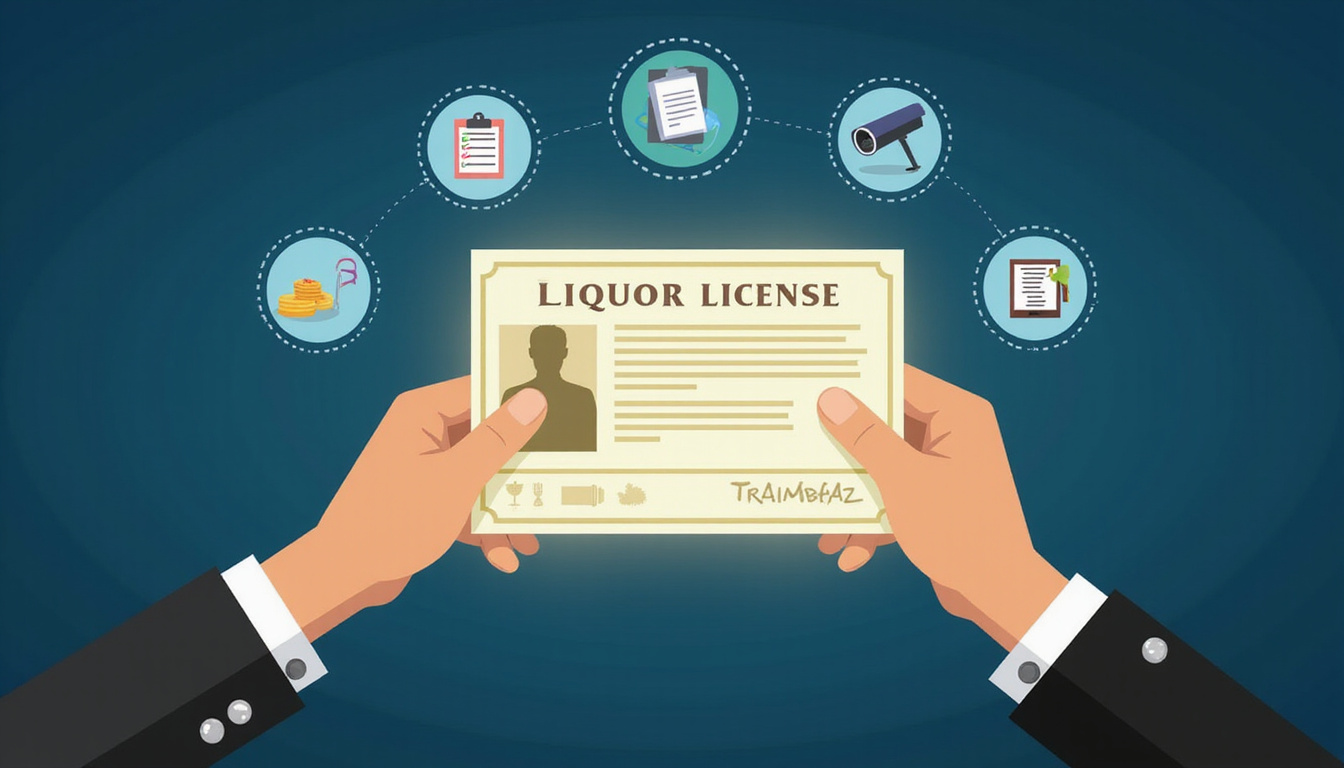
Setting Up the Alcohol Compliance Officer Role in Your Business
If you do not have an officer yet, you can still set up a system that meets your needs and budget.
Step 1: Choose the Right Person
Look for someone who is:
- Detail oriented and organized
- Respected by everyone
- Ready to enforce rules even when they are not popular
- Clear in communication and training
In small businesses, this may be the owner or general manager. In larger ones, it may be a dedicated compliance manager.
Step 2: Define Scope and Authority
Write down the role clearly. Include:
- The officer’s tasks
- Their authority (can they stop promos, remove guests, require training)
- Who they report to and when
- How they escalate serious issues
Clear authority ensures the role is effective and not just for show.
Step 3: Build a Practical Compliance Plan
Your plan should include:
-
Licensing and Legal Requirements
- List your licenses, renewal dates, and conditions
- Detail the local rules and any special conditions
-
Policies and Procedures
- Written rules for staff and managers
- A schedule for reviewing and updating them
-
Training Program
- Training topics and frequency
- Who runs the training
- How to track completion
-
Monitoring and Audits
- A schedule for checks
- What metrics to track (ID refusal rates, incidents, etc.)
-
Incident Management
- A standard form for incident reports
- Who gets notified for each type of issue
Step 4: Communicate and Reinforce
Tell all staff about the officer and the rules:
- Explain why this role exists (to protect jobs, customers, and the license)
- Show that compliance is part of performance reviews
- Reward staff when they follow the rules well
A quick reminder before busy times keeps compliance in mind.
Practical Tips for Day-to-Day Alcohol Compliance
Here are simple practices for compliance:
- Use an easy ID-check phrase like "Look – Feel – Ask – Decide."
- Post clear signs about ID rules and service refusal.
- Keep a log for refused service and review it weekly.
- Use colored wristbands or stamps for age-verified guests at events.
- Rotate staff away from busy bar areas so they do not rush.
- Run a post-incident review: note what went well and what can improve.
- Keep an updated file of fake IDs (with sensitive parts hidden) for training.
Small daily actions help build a strong safety culture.
Working with Regulators and Law Enforcement
A good alcohol compliance officer works with regulators. They build good ties before problems arise.
Proactive Engagement
- Invite local licensing officers or police to speak with staff.
- Go to local meetings about alcohol rules.
- Ask for advice before starting new promos or events.
Responding to Inspections and Violations
If you face an inspection or fine:
- Cooperate in a clear, calm way.
- Write down all details: time, names, and issues raised.
- Tell your boss and legal counsel right away.
- Fix the problem quickly and update your plan.
- Use the incident to educate staff.
A solid compliance plan helps lower penalties by showing that mistakes are rare.
Common Mistakes That Put Your License at Risk
An alcohol compliance officer should watch for these mistakes:
- Thinking that experienced staff do not need training
- Seeing differences between locations or shifts
- Using unwritten rules that break the law
- Allowing promos that push fast or heavy drinking
- Failing to document incidents or service refusals
- Ignoring early warning signs from staff or guests
Solving these issues early is one of the biggest wins for an officer.
FAQs About Alcohol Compliance and Oversight
1. Do we really need an alcohol compliance officer if we’re a small bar?
Even small bars must have someone act as the alcohol compliance officer. Often, this is the owner or manager. Regulators hold you responsible whether you name the role or not. Giving someone the duty ensures that key tasks like training and record-keeping are done.
2. How often should we train staff on alcohol law compliance?
Train new staff right away. Offer a full refresher at least once a year. Also, do short sessions when laws or policies change. Many businesses have their officer lead a quick pre-shift talk to remind everyone about responsible service.
3. Can an alcohol compliance manager help during a license hearing or investigation?
Yes. A dedicated alcohol compliance officer can show training records, policies, incident logs, and proof of fixes. This evidence helps regulators see that a mistake is rare, not a sign of poor practices. That view can affect whether you keep your license.
A clear alcohol compliance officer role, backed by written policies, strong training, and good records, is one of your best tools. This role cuts risk and protects your license. By investing in compliance today, you keep your business, staff, and community safe for tomorrow.