
If you share your home with a furry, feathered, or even scaly friend, a Lake Charles RVT (Registered Veterinary Technician) can change how you care for your pet. An RVT watches your pet’s daily health, spots problems early, and gives hands‑on care long before the vet steps in.
Below, we break down the pet care tips that an experienced Lake Charles RVT wishes every owner knew. Use these tips so your pet lives longer, feels better, and stays out of the emergency room.
What Is a Lake Charles RVT—and Why Their Advice Matters
A Lake Charles RVT is a licensed professional who works under a veterinarian. In Louisiana, an RVT:
• Completes an accredited veterinary technology program
• Passes national and state exams
• Keeps skills current with continuing education
In practice, your RVT may be the one who:
• Takes your pet’s history and checks vital signs
• Draws blood, takes X‑rays, and gives medications
• Monitors anesthesia during surgery
• Provides dental cleanings and preventive care
• Shows you tips on nutrition, behavior, and at‑home treatments
Because they see many pets, RVTs notice patterns that help them know what works and what may cause problems.
Secret #1: Subtle Changes at Home Are First Red Flags
A seasoned technician tells us that small changes at home can signal big problems long before symptoms appear.
A Lake Charles RVT wants you to watch for:
• Drinking more or less water
• More urination or indoor accidents
• Hesitation on stairs or when jumping
• Sleeping more and playing less
• New hiding or clingy behaviors
• Grooming changes, like over‑grooming or neglect
These signs may point to early kidney disease, arthritis, pain, anxiety, diabetes, or thyroid issues. Many dismiss these signs as “just aging,” but early attention can add years of quality life.
What to do:
Keep a simple notebook or note on your phone. Record specifics like “Drinking twice as much water for 3 weeks” instead of saying “Acting weird.” Share these notes with your vet or Lake Charles RVT.
Secret #2: Most Pet Diets Aren’t as Balanced as Owners Think
Many RVTs see the same mistakes in pet diets. They say:
• Owners often follow buzzwords like “holistic” or “grain‑free” instead of facts
• Treats can add too many calories
• Home‑cooked diets may lack balance unless a veterinary nutritionist is involved
Key food facts an RVT wants you to know:
-
“Grain‑free” is not automatically better.
Grain‑free diets in dogs have been linked in some cases to heart disease. Always ask your veterinary team before switching food. -
Calories matter more than fancy ingredients.
Even premium food can cause weight gain if the portion is too large. RVTs use a body condition score and adjust feeding beyond the bag’s suggestions. -
Treats should be less than 10% of daily calories.
One extra biscuit can add up, especially for small pets.
What to do:
Ask your Lake Charles RVT to:
• Calculate your pet’s daily calorie needs
• Convert that into accurate measuring‑cup portions
• Recommend low‑calorie treats (for example, small carrot pieces for many dogs)
Secret #3: Dental Disease Causes Chronic Pain
Many pets suffer from constant mouth pain that owners miss. A Lake Charles RVT sees that heavy tartar, red gums, and bad breath are not normal with age. Pets often continue to eat until dental disease is advanced, and cats are especially good at hiding oral pain.
Watch for these signs:
• Dropping food or chewing on one side
• Pawing at the mouth or rubbing the face
• Preferring soft food
• Sudden fussiness when someone touches the face
With proper dental cleanings and extraction of diseased teeth, pets can act years younger.
What to do:
• Start brushing your pet’s teeth early with a pet‑safe toothpaste.
• Let your RVT show you how to examine your pet’s mouth.
• Schedule regular dental checks; the frequency depends on age and breed.
Secret #4: Preventive Care Really Saves Money
For an RVT, preventive care is not just a buzzword. It can mean the difference between planned costs and a costly emergency.
A Lake Charles RVT often sees:
• Unvaccinated pets exposed to diseases like parvo or distemper
• Heartworm‑positive dogs needing long, expensive treatments
• Pets without parasite prevention catching tick‑borne diseases
Problems that are caught late cost much more to treat and might even fail.
Preventive care tips include:
• Setting vaccination schedules that match your pet’s lifestyle
• Providing year‑round heartworm prevention, especially in Louisiana
• Using flea and tick control suited to your pet’s species and weight
• Regular deworming based on local parasite risks
What to do:
Ask your RVT to help build a preventive calendar: what is due monthly, yearly, and seasonally. Many clinics can send text or email reminders if you request them.
Secret #5: Weight Management Extends Life
A Lake Charles RVT is often blunt about pet weight. Obesity is common and preventable.
Extra weight can lead to:
• Arthritis and joint pain
• Diabetes, especially in cats
• Heart and breathing problems
• Reduced lifespan and complications during surgery
Owners sometimes misjudge their pet’s body condition. RVTs use a 9‑point or 5‑point body score scale to determine what is ideal.
A simple weight plan:
- Get an accurate weight and body score at the clinic.
- Let your RVT calculate your pet’s target weight and daily calories.
- Use a measuring cup or scale—don’t free‑feed.
- Replace high‑calorie treats with veggies or a measured portion of kibble.
- Check the weight every 4–6 weeks and adjust as needed.
Secret #6: Behavior Problems May Have Medical Roots
RVTs hear many behavior changes during intake. Examples include “sudden grumpiness,” “peeing outside the box,” or “growling on touch.”
A Lake Charles RVT looks for medical causes first:
• Sudden aggression may come from pain or neurological issues
• House‑soiling can signal urinary tract infections, kidney disease, or diabetes
• New anxiety might be linked to cognitive decline or loss of senses
What to do:
• Never punish a sudden behavior change; inform your veterinary team.
• Bring videos of the behavior to the appointment.
• Ask your RVT if tests like bloodwork or X‑rays are needed.
Secret #7: Your Home Environment Supports Senior Comfort
Senior pets are a big part of an RVT’s work. Simple home changes can boost comfort for aging pets.
A Lake Charles RVT may suggest:
• Placing non‑slip rugs on smooth floors
• Using orthopedic beds in warm, quiet spots
• Adding ramps or stairs to access beds, couches, and vehicles
• Raising food and water bowls for large dogs with arthritis
• Offering more low‑sided litter boxes for older cats
They also stress the need for more frequent checkups—sometimes every six months—for seniors, as pets age quicker than we do.
Secret #8: Communication Is a Two‑Way Street
Many owners do not know how much their Lake Charles RVT can help with choices and costs.
RVTs frequently:
• Explain estimates and prioritize urgent needs
• Teach you how to give medications at home
• Demonstrate care for bandages, insulin injections, or fluids
• Suggest lower‑cost yet safe options when possible
They appreciate honesty:
• If cost is a worry, say so early. Options may be available.
• If a medication form is hard to give (for example, pills twice daily), ask about alternatives.
RVTs work for both you and your pet. The more they know, the more they can help you follow a plan that really works.
Secret #9: Good Grooming Is Health Care
RVTs see that grooming problems can affect health:
• Matted fur can cause skin infections and pain
• Overgrown nails can change how a dog walks and cause joint issues
• Ear hair and moisture can lead to ongoing ear infections
A Lake Charles RVT may recommend:
• Brushing regularly with a brush suited to your pet’s coat
• Trimming nails every 3–6 weeks, depending on activity
• Cleaning ears according to breed and ear shape
• Professional grooming for double‑coated or long‑haired animals
They can show safe techniques and tools for your pet.
Secret #10: Emergency Planning Is Not Optional
RVTs often face emergencies such as bloat, heatstroke, toxins, or trauma. In an emergency, every minute counts.
Every Lake Charles pet owner should:
- Know the nearest 24/7 emergency clinic and its address.
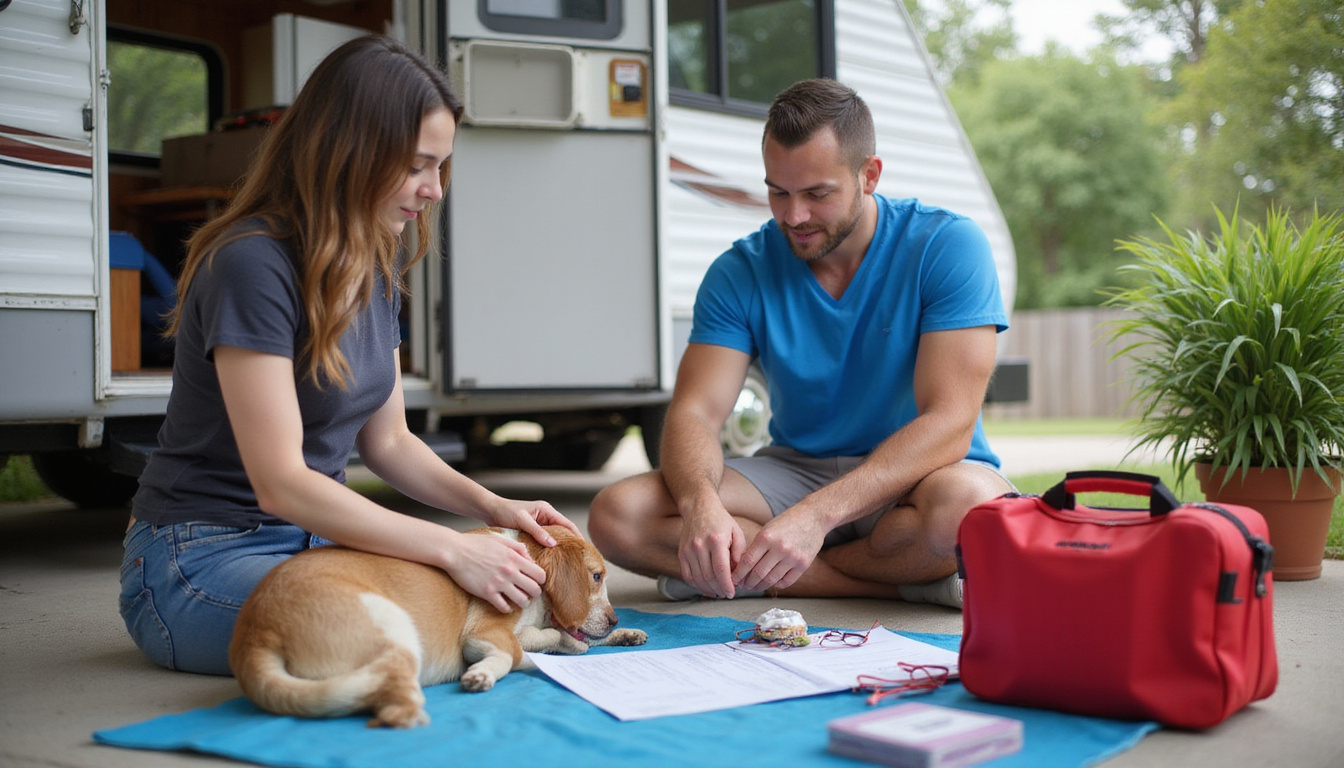
- Keep a basic pet first‑aid kit at home and in the car.
- Have poison control info handy, like the ASPCA Animal Poison Control number.
- Understand your pet insurance or backup plan before a crisis.
Your Lake Charles RVT can guide you on how to handle emergencies like heatstroke, seizures, or dangerous food exposure.
A Lake Charles RVT’s Ideal Pet Care Checklist
Here is a quick checklist that many RVTs in Lake Charles wish every client would follow:
- Annual (or semi‑annual for seniors) wellness exams
- Up‑to‑date, lifestyle‑appropriate vaccines
- Year‑round parasite prevention
- Dental evaluations and cleanings as recommended
- Weight checks and body condition scoring
- Monitoring behavior and mobility at home
- Safe, evidence‑based nutrition with portion control
- Regular grooming and nail trims
- Preparedness for emergencies and financial surprises
- Open communication with your veterinary team
Use this list before each vet visit. Mark which tasks you already do and note where you need help.
How to Get the Most From Your Lake Charles RVT Visit
To make the most of your RVT’s knowledge:
• Bring a written list of questions and concerns—even small ones.
• Share videos of coughing, limping, or odd behavior.
• Ask for demonstrations of any home care procedure you find tricky.
• Request a nutrition and weight consult if you have doubts.
• Schedule follow‑up technician visits for nail trims, weight checks, and medication reviews. These visits are often lower‑cost and informative.
RVTs enjoy working with engaged and curious owners. Using their expertise fully is one of the best gifts you can give your pet.
FAQ: Lake Charles RVT & Pet Care
Q1: How can a Lake Charles registered vet tech help with my pet’s daily care?
A Lake Charles RVT can set up a feeding plan, show you how to give medications and groom, track your pet’s weight, and offer behavior tips. They bridge the gap between you and the veterinarian by turning medical advice into daily routines.
Q2: When should I ask a Lake Charles veterinary technician for advice instead of waiting to see the vet?
If your pet shows minor changes—small shifts in appetite, grooming issues, weight changes, or questions about parasite prevention—a Lake Charles RVT can often give quick advice or decide if a full exam is needed.
Q3: What questions should I ask my Lake Charles RVT at our next visit?
Ask, “Is my pet at a healthy weight?” “Are we using the best flea, tick, and heartworm prevention?” “Do you see early signs of dental disease?” or “What should I watch for that means I need to call you sooner?”
A knowledgeable Lake Charles RVT sees what most owners miss: early signs of disease, subtle pain cues, and small changes that can improve your pet’s life. By asking questions and following practical advice, you build a strong health plan that keeps your pet thriving for years.